General Medical Dermatology
An Introduction to Dermatological disorders
Dermatological disorders, also known as skin disorders or skin conditions, encompass a wide range of medical conditions that affect the skin, hair, nails and mucous membranes. These disorders can vary widely in terms of their causes, symptoms, severity and treatments. Some common dermatological disorders include acne, atopic dermatitis (i.e. eczema), psoriasis, rosacea, urticaria, vitiligo, fungal infections, skin cancer, hair loss, excessive sweating and ichthyosis. Accurate diagnosis and appropriate treatment are essential for managing these conditions and promoting skin health. The treatment of many of these conditions may require a multidisciplinary approach, particularly in addressing the psychological aspects of some of these conditions.
Our supporting partners do not constitute an endorsement of the content on this page.










Prof. Raj Chovatiya shares his highlights from the Revolutionizing Atopic Dermatitis (RAD) 2026 meeting, reflecting on the key developments and discussions shaping the evolving management of atopic dermatitis.
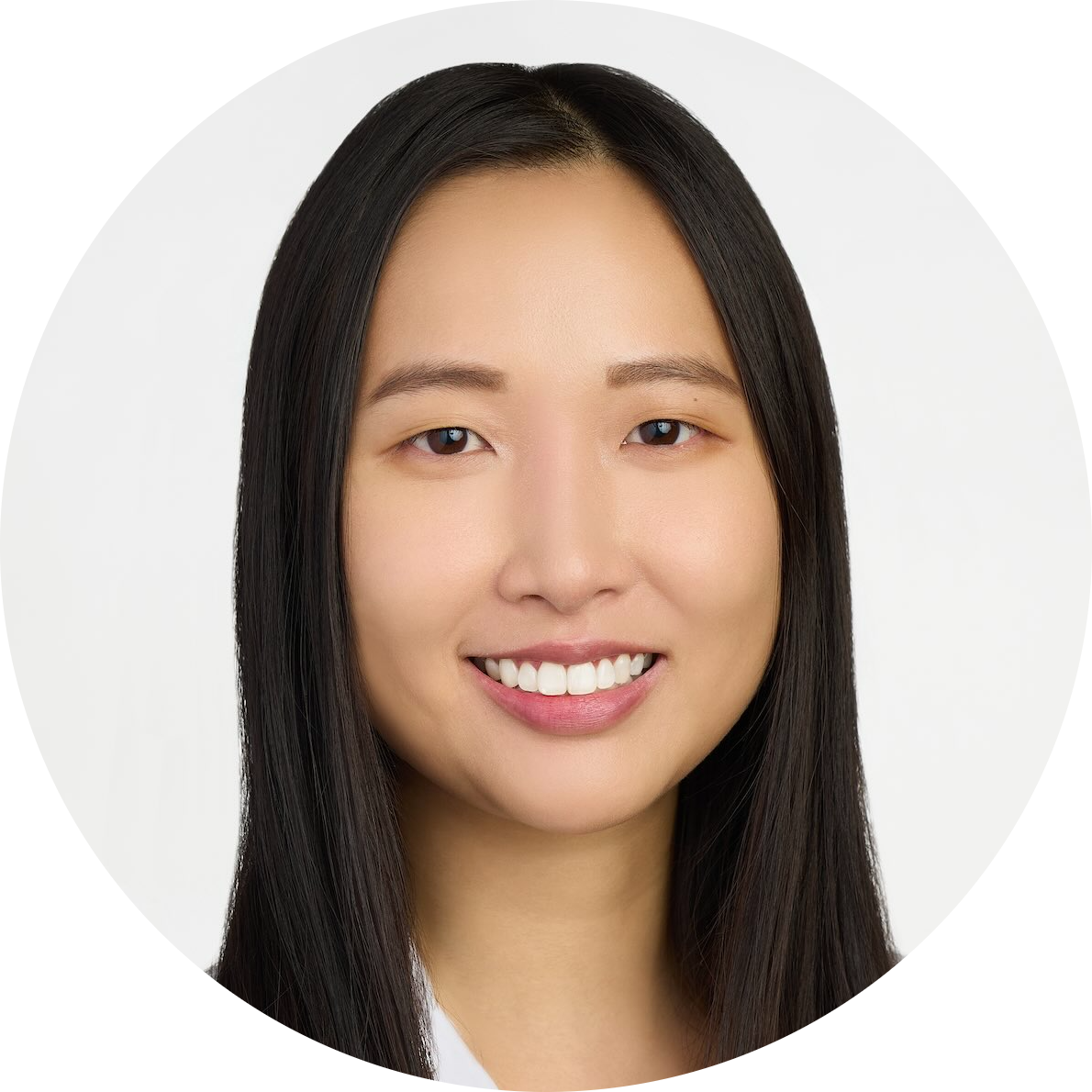
Dr He reflects on what drew her to dermatology, the serendipitous path that shaped her research into skin aging and inflammation, and what she is most looking forward to in her new role with touchREVIEWS in Dermatology.
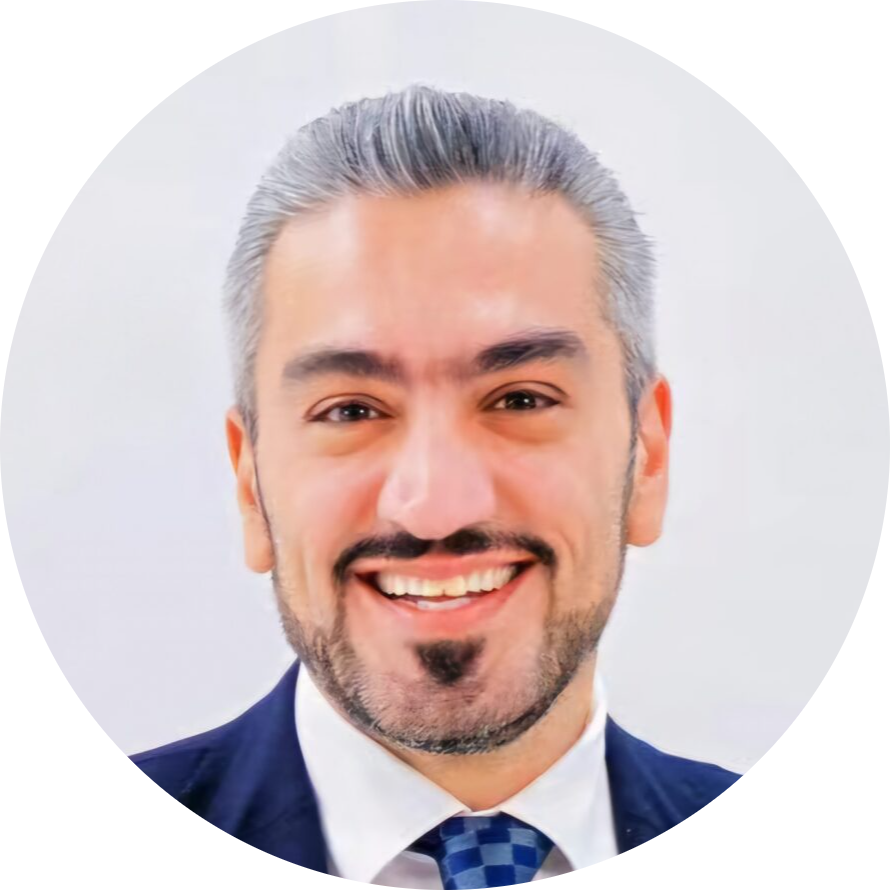
Why should cosmetic dermatology form a greater part of general dermatological practice? Dr Hassan Galadari discusses the need for specialist training, the role of dermatologists as trusted voices on social media and the growing shift towards skin longevity and natural looking outcomes.

Your clinical career is shaped not only by what you know, but by who helps you navigate what comes next. Join us for the final episode in our LEADderm mini-series exploring non-clinical skills that can help you thrive in your ...

As interest continues to grow in better understanding the biology of skin aging, non-invasive tools such as tape stripping are opening up new possibilities for molecular research that may help identify strategies to slow skin aging and promote skin longevity. In this Q&A, Dr Helen He (New York, NY, USA) discusses her latest study, which was presented as a late-breaking abstract at this year’s AAD Annual Meeting, and the insights it offers into the mechanisms of skin aging and future targeted interventions.

Founded by internationally recognised experts the IDS meeting brings together world leaders working across immune-activated skin conditions such as psoriasis, atopic dermatitis, alopecia areata, vitiligo and hidradenitis suppurativa. To capture key perspectives from the 2025 Summit, we spoke with editorial board member, Prof. Dedee Murrell, to bring you some of the key highlights from a selection of standout presentations delivered during the three-day event.

We often focus on clinical excellence, but spend less time developing broader skills that could help us better lead with purpose and build more fulfilling, impactful careers. In this episode, part of a mini-series in partnership with LEADderm, Dr Jennifer Soung and Denise Mann explore how clinicians can engage with the media to educate, empower and extend their impact beyond the clinic.

Editors-in-Chief Professor Tiago Torres and Dr Raj Chovatiy, will lead touchREVIEWS in Dermatology, our platform's forthcoming free-to-access, peer-reviewed journal. Committed to improving patient outcomes, the journal aims to support healthcare professionals and researchers worldwide in the continuous development of their knowledge and confidence to enhance patient care, drive meaningful change in clinical practice, and promote equity in healthcare globally.

As the field of dermatology continues to evolve at pace, the questions shaping its future are no longer confined to new drugs or devices. Looking ahead, we asked our Future Leaders of 2025 a question: which emerging trend or topic deserves greater attention in 2026? Their responses collectively offer a snapshot of the conversations poised to shape the specialty in the year ahead, highlighting challenges that extend beyond scientific innovation alone.

“Over time, I’ve realized that being a happy doctor isn’t just about the science, it is also about having the skills and tools to lead with purpose, to feel fulfilled and to make a real impact.” LEADderm ...

Money is something we all have to navigate, but it is not always something we are taught to understand or manage, nor necessarily something we connect with building a fulfilling career in medicine. In the second episode of our LEADderm mini-series, we are joined by two US-based clinicans: dermatologist and LEADderm Founder Dr Jennifer Soung, and Dr Bonnie Koo, Founder of Wealthy Mom MD and author of Defining Wealth for Women: Peace, Purpose, and Plenty of Cash, for an honest conversation about financial confidence and redefining wealth. Together, we explore how shifting our mindset around money can create greater freedom, choice and resilience, helping healthcare professionals feel more grounded so that they can thrive in their clinical careers and beyond.

At the recent ILDS World Skin Summit, dermatology leaders from across the globe came together to discuss the evolving role of skin health in global medicine. In this interview, Prof. Olivier Gaide explores what sets the meeting apart from traditional scientific congresses and reflects on the key highlights from this year’s summit.

As 2025 draws to a close, it is clear that the past year has brought notable shifts across dermatology. To reflect on the developments that stood out most, members of our editorial board and recipients of our 2025 Future Leaders in Dermatology award share their perspectives, drawing on experience across subspecialties, regions and stages of career.

Early phase pooled results from 32 patients indicate that lonvoguran ziclumeran, a CRISPR-based gene-editing therapy, achieved durable, one-time disease control in hereditary angioedema (HAE). The phase 1/2 data demonstrated deep and sustained reductions in plasma kallikrein levels, with most patients remaining attack-free and prophylaxis-free for up to three years and a safety profile consistent with earlier findings.

Roflumilast 0.3% foam, a highly potent PDE4 inhibitor, represents a major advance in the management of seborrhoeic dermatitis. Approved by the FDA in 2023 following the phase 3 STRATUM trial, the once-daily, non-steroidal foam demonstrated significant improvements in signs and symptoms of the disease. At the EADV Congress 2025, Dr Raj Chovatiya presented new subgroup data showing the treatment’s consistent efficacy and tolerability across diverse skin and hair types.

Dermatologists play a vital role in creating safe, inclusive spaces for LGBTQIA+ patients. In this interview, Assistant Professor Teerapong Rattananukrom explores why inclusive language matters, the unique skin challenges faced by transgender individuals, and how greater representation in research can help shape more equitable, compassionate care.
Log into your Touch Account
Keep track of your clinical interests and newsletter subscriptions.
Sign up with an Email
Or use a .
Register now for FREE access
Already registered? Login below.
