
Infectious Dermatology
An Introduction to Infectious Dermatology
Infectious diseases of the skin are caused by pathogens such as bacteria, viruses, fungi, and parasites and usually carry a higher risk in patients with a compromised immune system. These agents infiltrate the body, disrupting its normal function and causing a spectrum of symptoms. Although many skin infections are easy to treat and can go away over time, some are contagious (i.e. MRSA and impetigo) and therefore require early intervention to prevent spread, especially in a hospital setting. The treatment for skin infections varies by type of pathogen but can often be addressed using topical antimicrobials, antimicrobial resistance however is becoming one of the biggest public health crises worldwide, highlighting the need for new therapy options and novel strategies for prescribing. On-going public health, surveillance and research efforts are essential to mitigate the impact of infectious diseases on global health.
Our supporting partners do not constitute an endorsement of the content on this page.


Meet the dermatologists redefining the future of practice, research, and technology Meet the innovators shaping the future of dermatology The touchDERMATOLOGY Future Leaders 2026 have been nominated and selected to recognize the rising stars shaping the future of across the field ...

We are delighted to introduce Dr Olufolakemi Cole-Adeife as a touchDERMATOLOGY Future Leader 2026. Dr Cole-Adeife is a Consultant Physician, Dermatologist and Venereologist at Lagos State University Teaching Hospital (LASUTH) and a Lecturer at Lagos State University College of Medicine in ...

Selected abstracts from ESCMID Global 2026 highlight findings relevant to infectious dermatology and wound care, including cutaneous infection, wound complications, fungal disease, and inflammatory dermatoses. The article spans randomized clinical data, early-stage therapeutic research, and diagnostic case reports.

The 2025 European Academy of Dermatology and Venereology (EADV) Congress brought over 20,000 delegates to Paris this September, showcasing the latest advances in the field. With more than 180 sessions and 600 expert speakers, the meeting highlighted innovations ranging from new biologics and novel agents to real-world evidence and patient-centred care. In this article, we share key highlights from the congress, spotlighting the breakthroughs and clinical insights set to shape the future of dermatology practice.

In this episode of Visionary Voices, we welcome Associate Professor Grace Vincent from CQUniversity’s Appleton Institute. A leading expert on sleep and shift work, Grace explores how disrupted sleep affects physician health in both the short and long term, as well as its impact on safety and performance. We also discuss what this means for patient outcomes and share practical strategies to manage sleep loss.

Skin neglected tropical diseases (NTDs), including leprosy, lymphatic filariasis and onchocerciasis, remain a significant public health challenge in many low- and middle-income countries. Frontline healthcare workers often struggle to recognise and manage these conditions due to limited diagnostic tools and gaps in specialist training. In this interview, we speak with Dr Olufolakemi Cole-Adeife (Lagos, Nigeria) about a virtual training programme designed to overcome these barriers.

Chromoblastomycosis is a chronic fungal infection that can cause slowly progressive, disfiguring skin lesions and remains notoriously difficult to treat. Assistant Professor Teerapong Rattananukrom discusses the clinical challenges of managing this condition and introduces a novel molecular approach for identifying Fonsecaea pedrosoi directly from paraffin-embedded skin biopsies—offering new hope for faster, more accurate diagnosis and improved patient outcomes.

Dr Niraj Parajuli shares his journey into dermatology, from early motivations to his current work in neglected tropical diseases, rare skin conditions, and digital dermatology. Discover how his global leadership and commitment to health equity are shaping the future of the field.

Physician burnout is at a critical point. In this episode, Nicky speaks with Dr Alfred Atanda about why so many physicians are burning out and what can be done to change the trend. From personal experience to system-wide solutions, Dr Atanda shares valuable insights on improving physician well-being and building a more effective healthcare culture.

As 2025 unfolds, the field of dermatology is set for some significant advancements. To get a glimpse of what’s ahead, we turned to our esteemed Expert Faculty members, who shared their expert insights on what they think will be the key innovations shaping this year. From the most exciting trends of 2024 that are gaining momentum to the next breakthroughs poised to redefine patient care, here’s what they had to say.
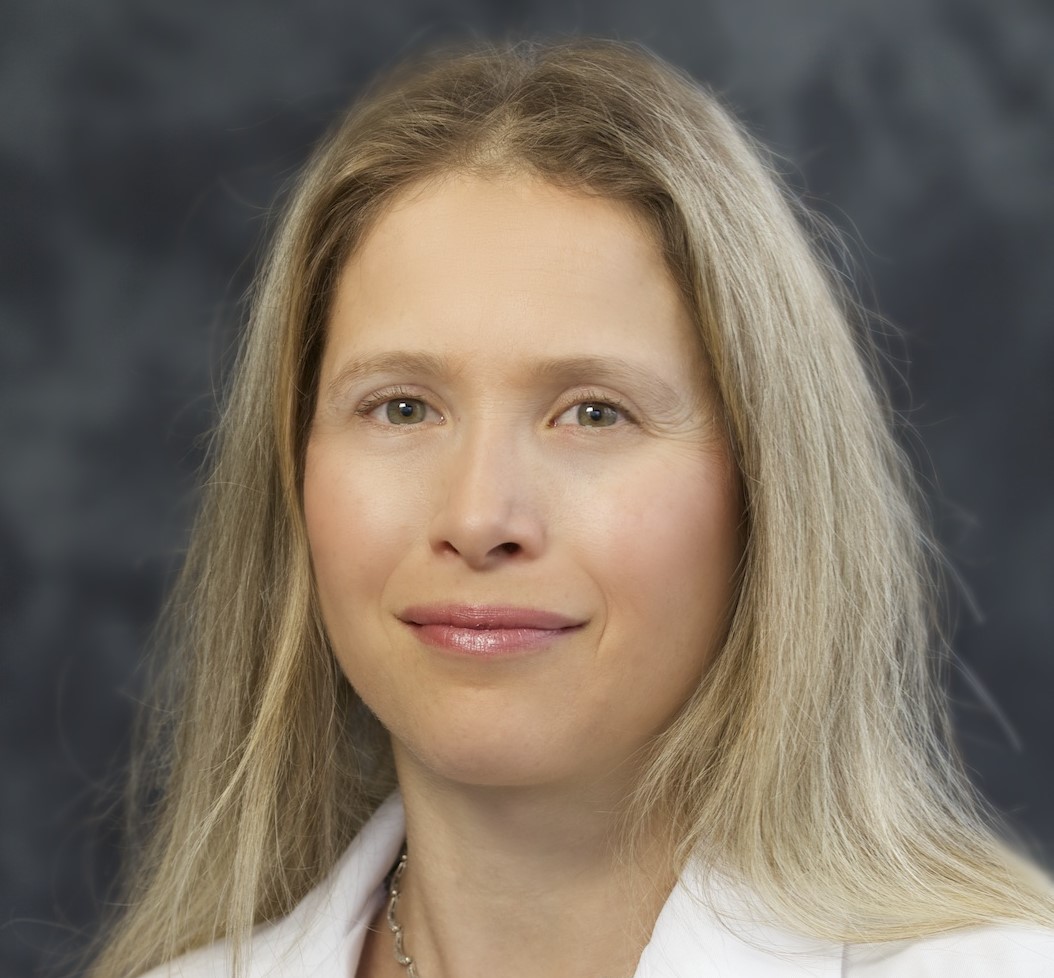
Dr. Shari Lipner is a leading expert in dermatology, best known for her specialization in nail disorders. As an Associate Professor of Clinical Dermatology and Director of the Nail Division at New York-Presbyterian/Weill Cornell Medical Center, her work bridges ...

Dr. James Del Rosso (JDR Dermatology Research, Las Vegas, Nevada, USA, and President-Elect American Acne & Rosacea Society) discusses the efficacy and safety results from the CAMP-1 and CAMP-2 studies, highlighting their role in supporting the recent FDA approval cantharidin ...
Molluscum contagiosum, a common skin infection caused by a poxvirus (molluscum contagiosum virus), usually resulting in benign, mild skin disease characterized by lesions appearing anywhere on the body. In this interview, Dr. James Del Rosso (JDR Dermatology Research, Las Vegas, ...

Dermatology and sexual health raise critical topics such as dermatological manifestations linked to STIs e.g. monkeypox and cutaneous syphilis, the effectiveness of vaccination, and the rise in antibiotic resistance to treat cutaneous STIs. touchDERMATOLOGY were delighted to speak with Dr Georg Stary (Department of Dermatology, Medical University of Vienna, Vienna, Austria) at EADV 2023 to explore present challenges and future directions in addressing these complex and pressing issues. The abstract ‘Vaccination in STIs: What is the current state?’ (Presentation ID PLB-02) and ‘Antibiotic landscape in genital ulcers’ (Presentation ID D2T12.3B) was presented at EADV 2023, Berlin, 11-14 October 2023 #EADVCongress. Questions What dermatological manifestations are associated with STIs? How effective are existing vaccines for STIs, and how have recent developments in vaccinations influenced their development? What do you see as the future directions of STI vaccination? What is the present status of antibiotic resistance in STIs? What challenges do healthcare professionals face in selecting appropriate antibiotics for STIs, given the changing microbial landscape? How could a multifaceted approach impact the prevention of antimicrobial resistant STIs? Disclosures: Georg Stary has nothing to disclose in relation to this video interview. Support: Interview and filming supported by Touch Medical Media Ltd. Interview conducted by Victoria Jones and Katey Gabrysch. Filmed in coverage of the EADV Annual Meeting This content was developed by Touch Medical Media and is not affiliated with the European Academy of Dermatology & Venereology (EADV) or the congress.
Log into your Touch Account
Keep track of your clinical interests and newsletter subscriptions.
Sign up with an Email
Or use a .
Register now for FREE access
Already registered? Login below.
