

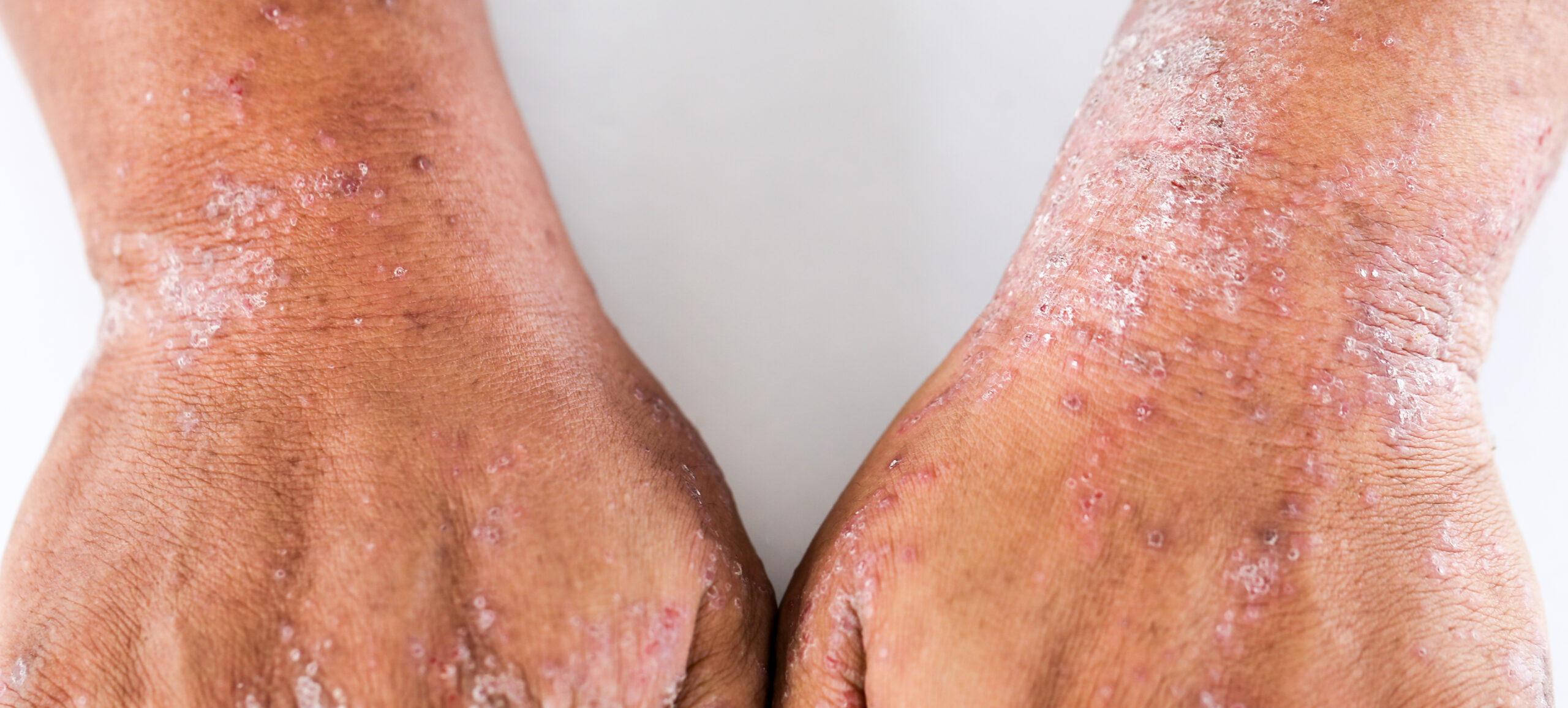

BAD 2026: BADBIR data offer real-world insights into psoriasis treatment and risk factors
At the BAD 2026 meeting, new analyses from BADBIR highlighted the value of real-world evidence in answering clinically important questions in psoriasis care. The data explored serious infection risk across systemic treatments, the potential benefits of using biologics earlier in the treatment pathway, and risk factors for incident and recurrent erythrodermic psoriasis. Together, these findings demonstrate how registry data can complement clinical trial evidence by providing insights from routine clinical practice and helping to inform more personalized treatment decisions.
Who’s on your bench? The five people every high performer needs
Your clinical career is shaped not only by what you know, but by who helps you navigate what comes next. Join us for the final episode in our LEADderm mini-series exploring non-clinical skills that can help you thrive in your clinical career. Today we explore how to develop the right team around you to support […]
Rezpegaldesleukin shows promising phase 2b results in atopic dermatitis
Phase 2b REZOLVE-AD results show rezpegaldesleukin significantly improved EASI scores across all three dosing regimens in adults with moderate-to-severe atopic dermatitis, with additional improvements in itch, skin clearance and patient-reported outcomes.
Shaping dermatology education in the Caribbean: Dr Jonathan Ho joins the touchDERMATOLOGY Editorial Board
As he joins the touchREVIEWS in Dermatology Editorial Board, Dr Jonathan Ho reflects on training the next generation, improving care for patients with richly pigmented skin, and bringing Caribbean perspectives to global dermatology.
01. BAD 2026: BADBIR data offer real-world insights into psoriasis treatment and risk factors
02. Who’s on your bench? The five people every high performer needs
03. Rezpegaldesleukin shows promising phase 2b results in atopic dermatitis
04. Shaping dermatology education in the Caribbean: Dr Jonathan Ho joins the touchDERMATOLOGY Editorial Board

Personalized and predictive dermatology recognizes that each patient is unique and aims to comprehensively address all aspects of an individual’s skin health. This approach tailors skin care treatments based on a combination of factors, including genetic and epigenetic profiles, ...

Unilateral nevoid telangiectasia (UNT), also known as unilateral dermatomal superficial telangiectasia, is a cutaneous condition characterized by the presence of telangiectasia in unilateral, segmental or mosaic distributions.1 UNT may be congenital or acquired. Congenital UNT is uncommon, more often reported ...
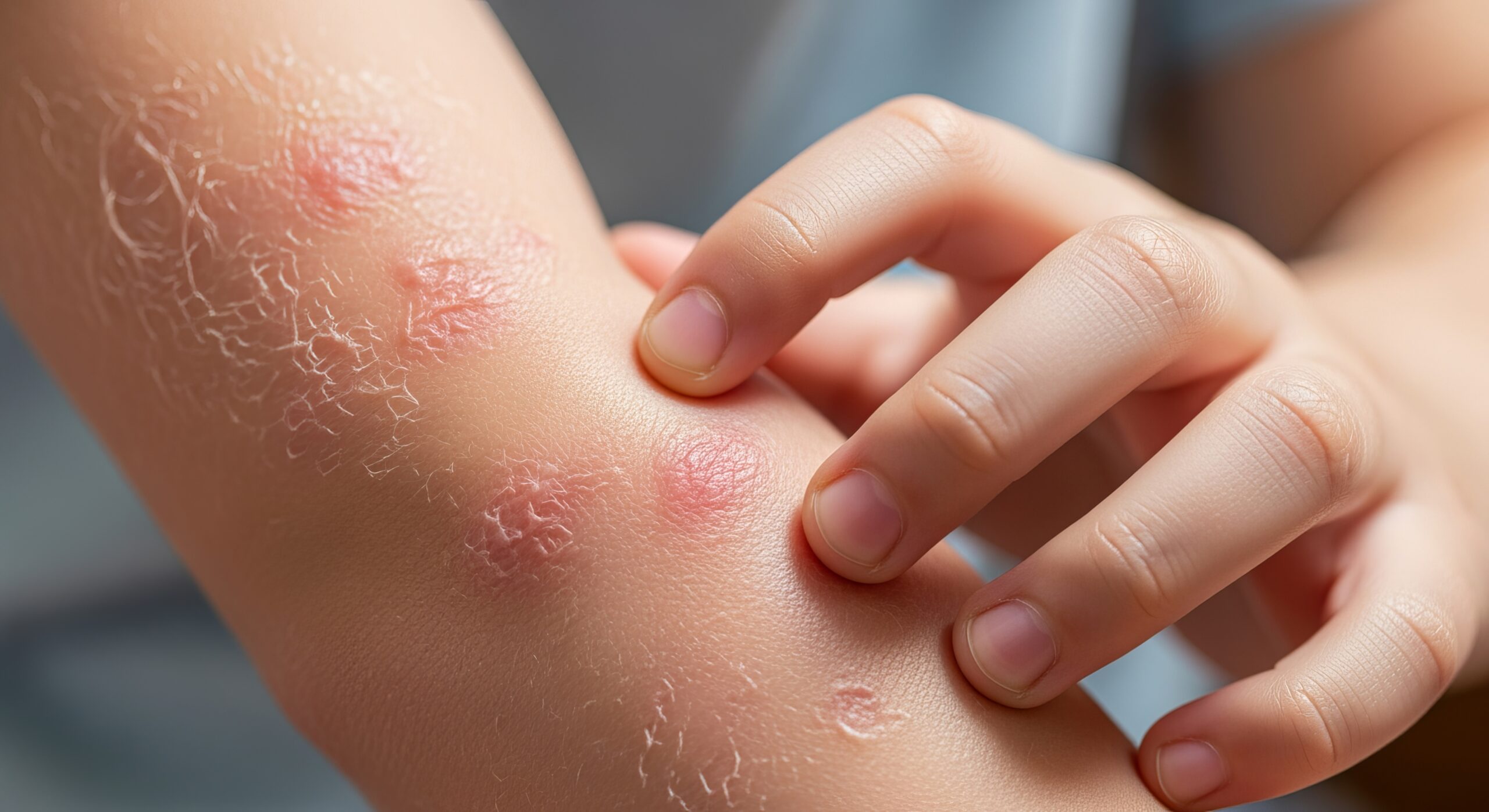
The Pediatric Dermatology Research Alliance (PeDRA) is helping to build a stronger, more sustainable research workforce by providing funding, mentorship, training and collaborative opportunities for investigators at every career stage. Dr Colleen Cotton discusses the challenges facing pediatric dermatology research and why investing in the next generation is essential to improving care for children with skin diseases.
At the BAD 2026 meeting, new analyses from BADBIR highlighted the value of real-world evidence in answering clinically important questions in psoriasis care. The data explored serious infection risk across systemic treatments, the potential benefits of using biologics earlier in the treatment pathway, and risk factors for incident and recurrent erythrodermic psoriasis. Together, these findings demonstrate how registry data can complement clinical trial evidence by providing insights from routine clinical practice and helping to inform more personalized treatment decisions.



Want to be featured in touchReviews in Dermatology?
Share your knowledge, influence clinical practices and enhance patient care in Dermatology today!
- Peer-reviewed, free-to-access
- Accepting reviews, research and editorials
- No article processing fees
- Digital features and plain language summaries
- Multichannel content distribution for maximum visibility

Your clinical career is shaped not only by what you know, but by who helps you navigate what comes next. Join us for the final episode in our LEADderm mini-series exploring non-clinical skills that can help you thrive in your ...

Join us as leading experts discuss key data and perspectives from the late-breaking sessions at this year’s AAD meeting This March, experts from around the world gathered in Denver, Colorado, for the 2026 American Academy of Dermatology (AAD) Annual Meeting. ...

Founded by internationally recognised experts the IDS meeting brings together world leaders working across immune-activated skin conditions such as psoriasis, atopic dermatitis, alopecia areata, vitiligo and hidradenitis suppurativa. To capture key perspectives from the 2025 Summit, we spoke with editorial board member, Prof. Dedee Murrell, to bring you some of the key highlights from a selection of standout presentations delivered during the three-day event.

We often focus on clinical excellence, but spend less time developing broader skills that could help us better lead with purpose and build more fulfilling, impactful careers. In this episode, part of a mini-series in partnership with LEADderm, Dr Jennifer Soung and Denise Mann explore how clinicians can engage with the media to educate, empower and extend their impact beyond the clinic.

Returning this October, the 2026 PeDRA Annual Conference will bring together clinicians, researchers, trainees, patients, advocates, and industry partners to share ideas, build collaborations, and support progress in pediatric dermatology research. This Q&A offers a preview of the meeting’s theme, format, and opportunities for attendees across career stages.

Editors-in-Chief Professor Tiago Torres and Dr Raj Chovatiy, will lead touchREVIEWS in Dermatology, our platform's forthcoming free-to-access, peer-reviewed journal. Committed to improving patient outcomes, the journal aims to support healthcare professionals and researchers worldwide in the continuous development of their knowledge and confidence to enhance patient care, drive meaningful change in clinical practice, and promote equity in healthcare globally.

As the field of dermatology continues to evolve at pace, the questions shaping its future are no longer confined to new drugs or devices. Looking ahead, we asked our Future Leaders of 2025 a question: which emerging trend or topic deserves greater attention in 2026? Their responses collectively offer a snapshot of the conversations poised to shape the specialty in the year ahead, highlighting challenges that extend beyond scientific innovation alone.

Money is something we all have to navigate, but it is not always something we are taught to understand or manage, nor necessarily something we connect with building a fulfilling career in medicine. In the second episode of our LEADderm mini-series, we are joined by two US-based clinicans: dermatologist and LEADderm Founder Dr Jennifer Soung, and Dr Bonnie Koo, Founder of Wealthy Mom MD and author of Defining Wealth for Women: Peace, Purpose, and Plenty of Cash, for an honest conversation about financial confidence and redefining wealth. Together, we explore how shifting our mindset around money can create greater freedom, choice and resilience, helping healthcare professionals feel more grounded so that they can thrive in their clinical careers and beyond.

Whether you’re working in an agency, in a clinical role, or in academia, many healthcare professionals wonder what lies behind the doors of the pharmaceutical industry. In this episode, Gina is joined by Sian Kneller, Director of Global Content Design at GSK and Founder of The Agency Advantage, to unpack exactly what it takes to make the leap. With over 20 years’ experience, from medical writer to leading global medical affairs strategy, Sian now helps others make a successful move into pharma. In this episode she shares what the transition really looks like, which transferable skills matter most, and how you can stand out in a competitive field.

SPINK5-sEDD, a syndromic epidermal differentiation disorder formerly known as Netherton syndrome, is the focus of this latest instalment in our rare disease round-up series, which highlights advances in diagnosing and managing uncommon dermatological conditions. In this Q&A, Dr Pablo López Balboa – a paediatric dermatologist specialising in complex and rare skin diseases – discusses the evolving understanding of SPINK5-sEDD, from its characteristic clinical triad and neonatal presentation to the underlying protease-driven pathology and emerging therapeutic strategies.

Laser and energy based devices are transforming dermatology, offering increasingly advanced ways to treat a wide range of conditions from pigment disorders and tattoo removal to skin rejuvenation and aesthetic enhancement. As the technology evolves, so too does our understanding of how to use it most effectively in clinical practice. At the same time, the field faces significant challenges, including the influence of marketing and the importance of selecting these technologies appropriately.

In this episode of Visionary Voices, we welcome Associate Professor Grace Vincent from CQUniversity’s Appleton Institute. A leading expert on sleep and shift work, Grace explores how disrupted sleep affects physician health in both the short and long term, as well as its impact on safety and performance. We also discuss what this means for patient outcomes and share practical strategies to manage sleep loss.



Introducing the touchDERMATOLOGY Future Leaders 2025
This year, we are celebrating our inaugural touchDERMATOLOGY Future Leaders to recognize the outstanding talent that has entered our field in recent years. These individuals are set to innovate and transform dermatology in the years to come.
Representing a diverse range of expertise from across the globe, these highly accomplished clinicians are among the brightest minds shaping the future of dermatology. We had the pleasure of learning about their unique career journeys, motivations and the inspirations that have guided their paths. They also shared their perspectives on the most exciting developments in dermatology today, along with their hopes for the future of the field.

“…what excites me the most is the intersection of genetics and immunology, really looking into the molecular pathways and understanding the pathological mechanisms of disease…”

“No two days are ever the same, and that constant variety is something I truly value.”

“If I can play even a small part in breaking that silence, reducing the stigma, progressing the discussion and hopefully pushing the science forward, that would feel like a huge success.”

“Try to find a mentor who inspires you, who can guide you and perhaps help you do some research.”

“I have found it hugely rewarding to be able to build up a long term relationship and rapport with some of my patients, and nothing beats seeing them get better and flourishing.”




Editorial Board
Introducing the Expert Faculty of touchDERMATOLOGY, who support our mission to advance medical knowledge and practice by ensuring the integrity, relevance, and impact of the content we publish. Together, we strive to foster a vibrant academic community and contribute to the continuous improvement of healthcare worldwide.
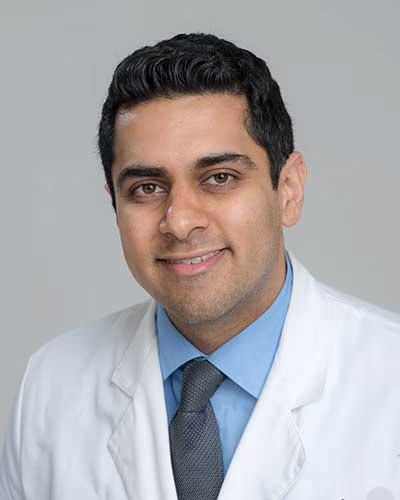
Shawn Kwatra
Baltimore, MD, USA
Inflammatory & autoimmune diseases
Biography
Dr Shawn Kwatra is the Joseph W. Burnett Endowed Professor and Chairman of Dermatology at the University of Maryland School of Medicine in Baltimore, MD, USA. He is an internationally renowned dermatologist and clinical leader in skin of colour research, as well as chronic inflammatory skin diseases, including atopic dermatitis, prurigo nodularis, and chronic pruritus of unknown origin. Dr Kwatra also has expertise in managing cutaneous adverse events associated with immunotherapy. Dr Kwatra has been an author or co-author on over 270 publications in peer-reviewed international journals and is a member of several professional organizations, including the American Academy of Dermatology, the Society for Investigative Dermatology, the International Forum for the Study of Itch and is currently serving on the Board of Directors of the Skin of Color Society.
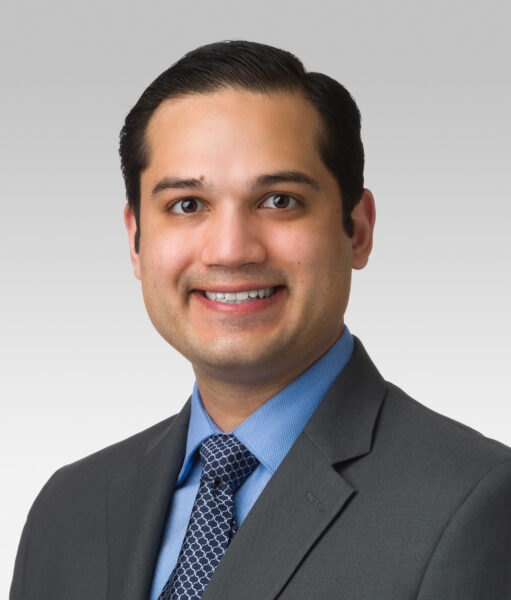
Raj Chovatiya
Editor-in-Chief
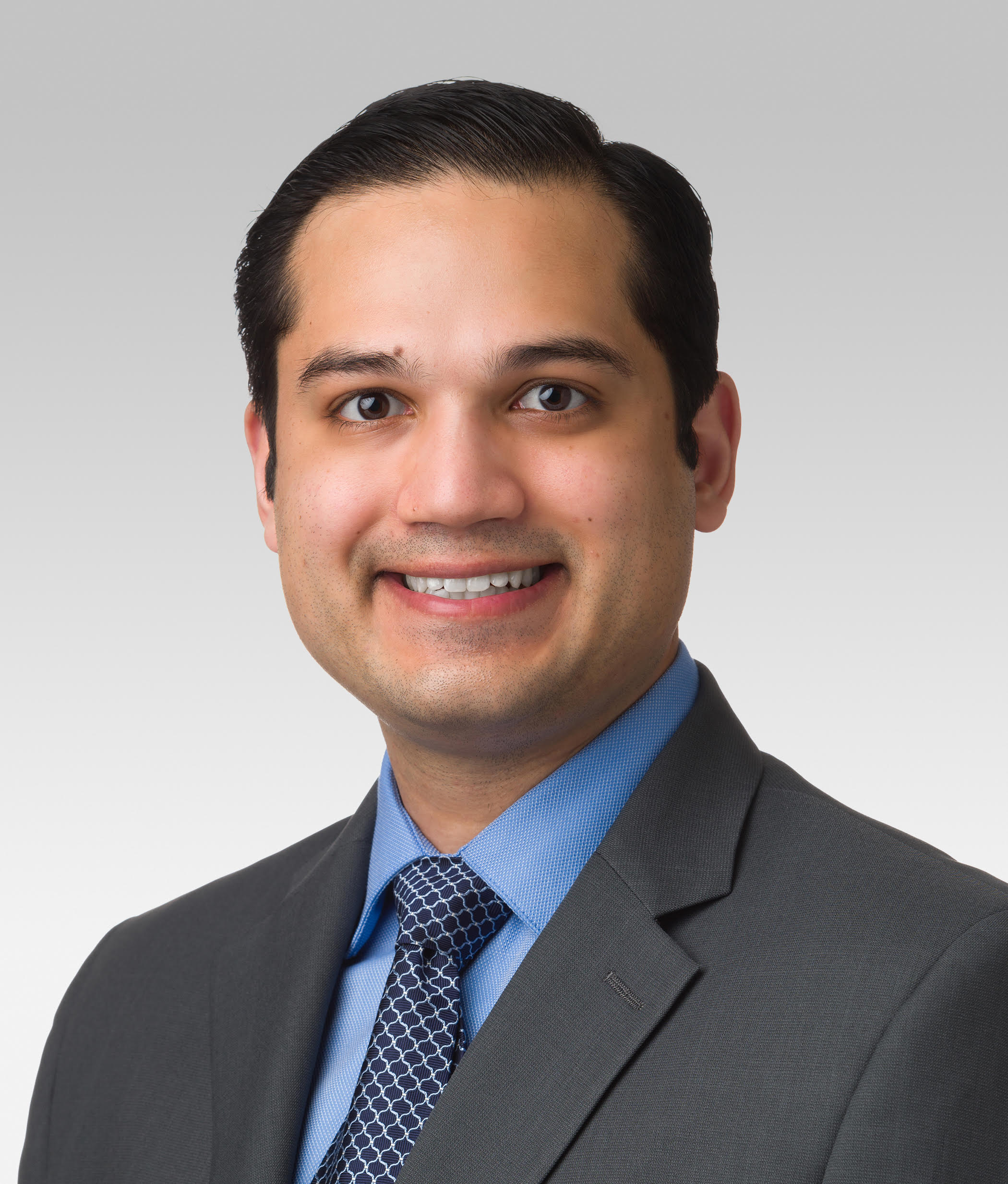
Raj Chovatiya
Chicago, IL, USA
Inflammatory & autoimmune diseases
Biography
Raj Chovatiya, MD, PhD, MSCI is Clinical Associate Professor of Medicine at Rosalind Franklin University Chicago Medical School and Founder and Director of the Center for Medical Dermatology + Immunology Research in Chicago, Illinois. His clinical and research focus includes the intersection of cutaneous immunology and inflammatory disease. He received his MD and PhD in immunology from Yale and completed his residency, postdoctoral research fellowship, and MS in Clinical Investigation at Northwestern University where he also served as Chief Resident. Dr. Chovatiya has a particular interest in optimizing patient-centered care, understanding chronic disease burden especially in understudied inflammatory diseases, exploring health and social disparities, and improving care across diverse skin types. He has published numerous abstracts and manuscripts and has been nationally and internationally recognized for his contributions as a clinician, educator, researcher, and leader.
Shawn Kwatra
Faculty Member
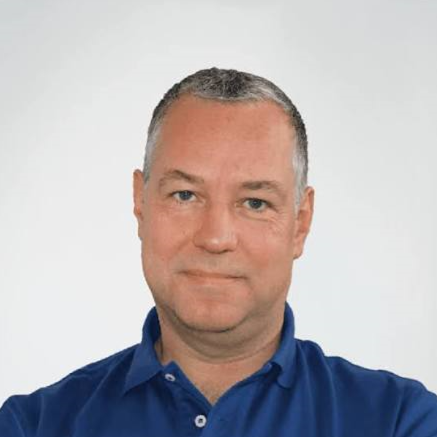
Laurent Misery
Head of the Department of Dermatology at the University Hospital of Brest, France
Laurent Misery
Brest, France
Itch, psychodermatology, neurodermatology, sensitive skin
Raj Chovatiya
Editor-in-Chief
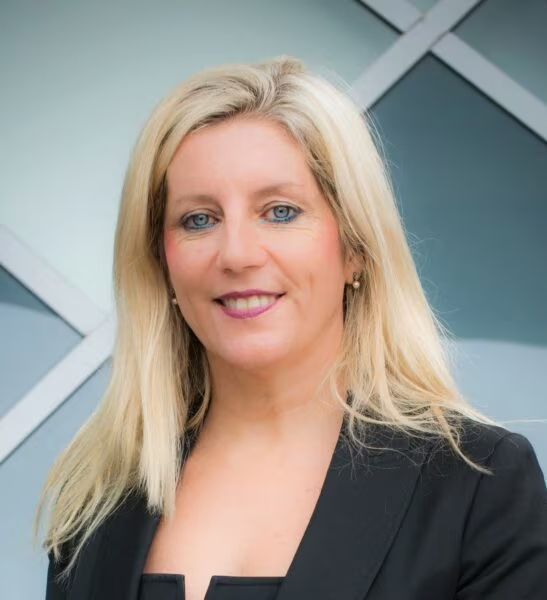
Dedee Murrell
Editorial Board member
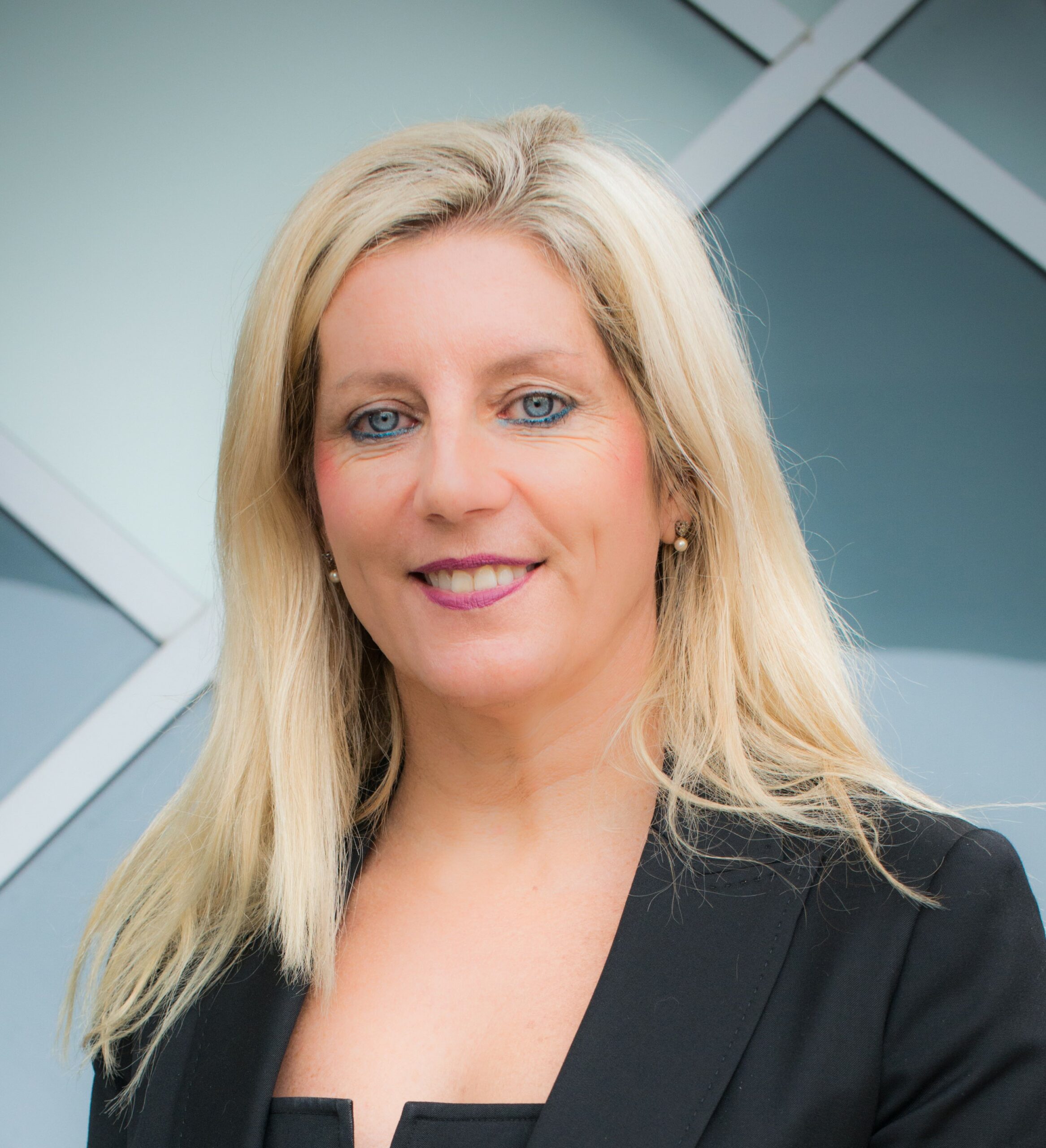
Dedee Murrell
NSW, Australia
Inflammatory & autoimmune diseases; Acne
Biography
Professor Dedee Murrell completed medical training at Cambridge and Oxford Universities, 3 years of internal medicine in the UK and USA, dermatology training at UNC-Chapel Hill, a fellowship in dermatopharmacology at Duke, blistering diseases and cell biology at New York University, and then became a clinical scholar at Rockefeller University. She holds a doctorate on the pathogenesis of blistering disorders, her main subspecialty interest, and her current research focusses on the development and validation of clinical outcome measures for autoimmune blistering diseases and epidermolysis bullosa to enable clinical trials to proceed in these orphan diseases. She has 418 peer reviewed papers, 16,7500 citations, an H index of 61, i!) of 213 and has edited 6 books, including the textbook, Blistering Diseases. She lectures at international congresses regularly and is a visiting professor in 5 continents. She was Congress President of the ICD 2021, the world’s first virtual Dermathon. She was founding Co-Editor of the International Journal of Women’s Dermatology and serves on the editorial boards of BJD, JAMA Dermatology, International Journal of Dermatology, JEADV, Acta Dermatovenereologica and JAAD International. She established Australia’s first dedicated dermatology clinical trial centre and is a KOL in trial design and conduct, serving on numerous advisory boards for more than 20 years. Her group established the ABQOL/TABQOL for measuring QOL in AIBD and she co-led the development and validation of the PDAI, BPDAI and MMPDAI. She established the Australasian Blistering Diseases Foundation in 2006.
Laurent Misery
Head of the Department of Dermatology at the University Hospital of Brest, France
Shawn Kwatra
Faculty Member

 touchDERMATOLOGY
Register Now!
Explore the latest in medical education and stay current in your field. Create a free account to track your learning.
- Save your progress for video
- Keep track of your CME credits
- Add personalised learning notes
- Receive updates from course leaders and faculty
- Be the first to hear about new and exciting interactive learning opportunities
Log into your Touch Account
Keep track of your clinical interests and newsletter subscriptions.
Sign up with an Email
Or use a .
Register now for FREE access
Already registered? Login below.
