
Rare Skin Conditions
An Introduction to Rare Skin Conditions
Many challenges are associated with the diagnosis and management of rare diseases, with limited therapeutic options, consensus guidelines and patient databases available, difficulties in clinical trial recruitment also hinders advancements in treatment paradigms. Over 1000 rare skin diseases have been identified, many of genetic origin developing in childhood and continuing through the patients life, including Epidermolysis Bullosa and Hailey Hailey Disease. Further research is crucial to identify therapeutics targeting the underlying cause of these conditions.
Our supporting partners do not constitute an endorsement of the content on this page.



Encouraging findings from JAKPPPOT support the feasibility of a definitive randomized controlled trial of Janus kinase inhibitors in palmoplantar pustulosis and provide an exploratory estimate of treatment effect. We spoke with Dr David Gleeson about the results presented at EADV 2026 and their implications for future research.


We are delighted to announce Dr Zoë Venables as a touchDERMATOLOGY Future Leader 2026. Dr Zoë Venables is a Consultant Dermatologist and Clinical Associate Professor at the University of East Anglia, Norwich, UK. She is Clinical Lead for Dermatology at NHS ...

We are delighted to announce Dr Anastasiya Muntyanu as a touchDERMATOLOGY Future Leader 2026. Based in Toronto, Canada, Anastasiya Muntyanu, MD, PhD, FRCPC, FAAD, is a Canadian and US board-certified dermatologist practising at the Women's College Hospital and the Princess Margaret ...
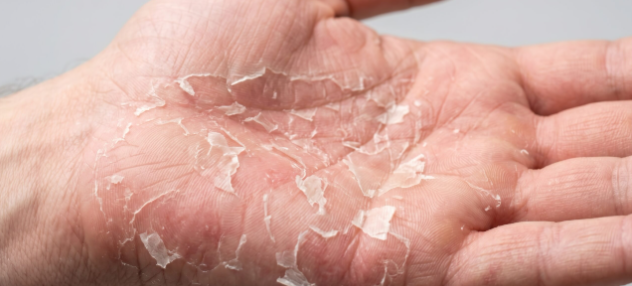
The FDA has cleared the first company-sponsored clinical study in peeling skin syndrome, allowing a phase 2 trial of QRX003 to begin later this year. The investigational topical therapy could represent an important step forward for a rare inherited skin disorder with no approved treatment.

At the BAD 2026 meeting, new analyses from BADBIR highlighted the value of real-world evidence in answering clinically important questions in psoriasis care. The data explored serious infection risk across systemic treatments, the potential benefits of using biologics earlier in the treatment pathway, and risk factors for incident and recurrent erythrodermic psoriasis. Together, these findings demonstrate how registry data can complement clinical trial evidence by providing insights from routine clinical practice and helping to inform more personalized treatment decisions.

Targeting IL-36 signaling, imsidolimab significantly improved clear or almost clear skin responses at Week 4 compared with placebo in patients experiencing a generalized pustular psoriasis flare, with monthly maintenance treatment supporting sustained responses through 24 weeks.

In this interview, Dr Ben Kaffenberger discusses late-breaking Phase 3 data on vilobelimab for pyoderma gangrenosum, presented at AAD 2026. Building on promising Phase 2 results, the trial evaluates its efficacy in an indication with no approved treatments in the USA or Europe. These findings may mark an important step toward potential FDA approval and improved outcomes for patients with this severe disease.

As the field of dermatology continues to evolve at pace, the questions shaping its future are no longer confined to new drugs or devices. Looking ahead, we asked our Future Leaders of 2025 a question: which emerging trend or topic deserves greater attention in 2026? Their responses collectively offer a snapshot of the conversations poised to shape the specialty in the year ahead, highlighting challenges that extend beyond scientific innovation alone.

SPINK5-sEDD, a syndromic epidermal differentiation disorder formerly known as Netherton syndrome, is the focus of this latest instalment in our rare disease round-up series, which highlights advances in diagnosing and managing uncommon dermatological conditions. In this Q&A, Dr Pablo López Balboa – a paediatric dermatologist specialising in complex and rare skin diseases – discusses the evolving understanding of SPINK5-sEDD, from its characteristic clinical triad and neonatal presentation to the underlying protease-driven pathology and emerging therapeutic strategies.

In this episode of Visionary Voices, we welcome Associate Professor Grace Vincent from CQUniversity’s Appleton Institute. A leading expert on sleep and shift work, Grace explores how disrupted sleep affects physician health in both the short and long term, as well as its impact on safety and performance. We also discuss what this means for patient outcomes and share practical strategies to manage sleep loss.

Skin neglected tropical diseases (NTDs), including leprosy, lymphatic filariasis and onchocerciasis, remain a significant public health challenge in many low- and middle-income countries. Frontline healthcare workers often struggle to recognise and manage these conditions due to limited diagnostic tools and gaps in specialist training. In this interview, we speak with Dr Olufolakemi Cole-Adeife (Lagos, Nigeria) about a virtual training programme designed to overcome these barriers.

Epidermal differentiation disorders (EDDs) are a group of inherited skin conditions caused by disruptions in epidermal development. In recent years, the field has seen major progress, with significant updates to nomenclature, classification and their management. To gain deeper insight into these developments, we spoke with Dr Antoni Gostyński (Maastricht, Netherlands), who co-chaired the EADV 2025 session ‘Epidermal Differentiation Disorders (EDDs) Group: From Genes to Clinics – The Truth About EDDs in 90 Minutes’.
This year, we are celebrating our inaugural touchDERMATOLOGY Future Leaders to recognize the outstanding talent that has entered our field in recent years. These individuals are set to innovate and transform dermatology in the years to come. Representing a diverse range of expertise from across the globe, these highly accomplished clinicians are among the brightest minds shaping the future of dermatology. We had the pleasure of learning about their unique career journeys, motivations, and the inspirations that have guided their paths. They also shared their perspectives on the most exciting developments in dermatology today, along with their hopes for the future of the field. Congratulations to all our touchDERMATOLOGY Future Leaders, and thank you for sharing your stories, insights and ambitions with us.

Dr Niraj Parajuli shares his journey into dermatology, from early motivations to his current work in neglected tropical diseases, rare skin conditions, and digital dermatology. Discover how his global leadership and commitment to health equity are shaping the future of the field.

From an unexpected start to becoming a dual specialist in dermatology and dermatopathology, Dr Jonathan Ho is helping redefine skin health in the Caribbean. Based in Kingston, Jamaica, he’s combining clinical care, research, and education to improve outcomes for patients with autoimmune, malignant and complex skin conditions. In this Future Leader 2025 Q&A, Dr Ho shares the pivotal moments that shaped his career, his passion for mentorship, and how he’s building a meaningful path in academic dermatology.

Dr Antoni Gostyński is advancing the field of dermatology through his work on innovative diagnostic tools and therapeutic strategies. Based at Maastricht University Medical Centre, Dr Gostyński co-leads the hereditary skin diseases clinic and also practises at the Catharina Hospital in Eindhoven. His clinical and research interests centres on genodermatoses, particularly ichthyoses amd palmoplantar keratodermas (epidermal differentiation disorders), and he actively collaborates with national patient advocacy groups to support those living with these rare genetic conditions.
Log into your Touch Account
Keep track of your clinical interests and newsletter subscriptions.
Sign up with an Email
Or use a .
Register now for FREE access
Already registered? Login below.
