
Pigmentation Disorders
An Introduction to Pigmentation disorders
Pigmentation disorders affect the colour of the skin, hair or eyes due to an imbalance or disruption in the production of melanin, the pigment responsible for skin, hair and eye colour. These disorders can lead to patches of skin that are lighter (hypopigmentation) or darker (hyperpigmentation) than the surrounding areas. One well-known pigmentation disorder is vitiligo, a condition where patches of the skin lose melanin, resulting in white or light-coloured areas. Albinism is another genetic disorder characterized by the partial or complete absence of melanin, which leads to very light skin and hair and vision problems. Melasma causes brown or greyish patches, often on the face. The treatment of pigmentation disorders varies depending on the specific condition and its underlying cause. Sun protection, topical creams, laser therapy, chemical peels and camouflage techniques are useful ways to prevent and improve the appearance of pigmentation disorders. However, some conditions are challenging to treat, and managing their psychological impact is an important aspect of care.
Our supporting partners do not constitute an endorsement of the content on this page.


From pruritus and burn scars to cutaneous neurofibromas, Prof. Ashraf Badawi explores some of the new directions for lasers and energy-based devices discussed at this years EADV congress.


Meet the dermatologists redefining the future of practice, research, and technology Meet the innovators shaping the future of dermatology The touchDERMATOLOGY Future Leaders 2026 have been nominated and selected to recognize the rising stars shaping the future of across the field ...

We are delighted to introduce Dr Olufolakemi Cole-Adeife as a touchDERMATOLOGY Future Leader 2026. Dr Cole-Adeife is a Consultant Physician, Dermatologist and Venereologist at Lagos State University Teaching Hospital (LASUTH) and a Lecturer at Lagos State University College of Medicine in ...

Prof. Eleftheriadou reflects on what drew her to dermatology, the advances transforming patient care, and her hopes for more effective vitiligo treatment. “An effective treatment that could reliably halt disease progression and restore pigmentation would not only improve physical outcomes ...

The treatment landscape for vitiligo is evolving, with recent therapeutic advances, potential oral treatments, combination strategies and new consensus efforts helping to shape future care. In this expert interview, Prof. Viktoria Eleftheriadou discusses key takeaways from her BAD Annual Meeting session, including emerging systemic therapies, approaches to improving repigmentation outcomes and the importance of defining vitiligo severity beyond body surface area alone.

Join us as leading experts discuss key data and perspectives from the late-breaking sessions at this year’s AAD meeting This March, experts from around the world gathered in Denver, Colorado, for the 2026 American Academy of Dermatology (AAD) Annual Meeting. ...
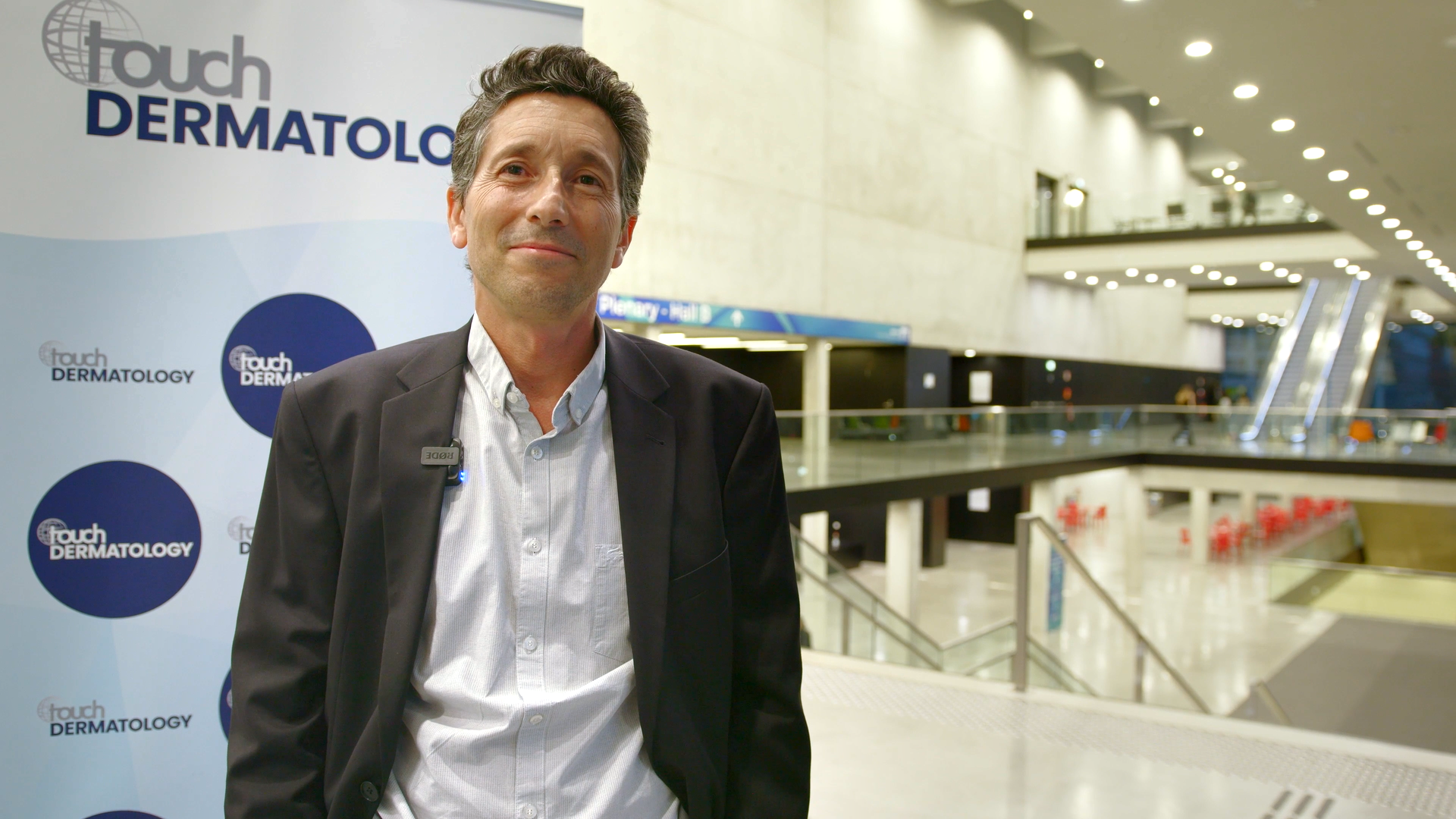
Prof. Thierry Passeron discusses key data from the upadacitinib Viti-Up studies, which provide the first strong Phase 3 evidence supporting a systemic treatment for non-segmental vitiligo. Results from the two parallel placebo-controlled studies showed that, by week 48, approximately 20% of patients treated with upadacitinib achieved T-VASI 50, compared with fewer than 6% in the placebo group, while around 25% achieved F-VASI 75 versus 6–7% with placebo. Prof. Passeron highlighted these findings as particularly important given the lack of approved systemic options for patients with extensive or active disease. He also noted that the studies demonstrated a favourable safety profile, with no new safety signals identified over 48 weeks, supporting upadacitinib’s potential role in the evolving treatment landscape for non-segmental vitiligo.

Could the first systemic therapy for non-segmental vitiligo soon be within reach? On 4 February 2026, AbbVie submitted regulatory applications to the FDA and EMA for upadacitinib, supported by positive phase III data in patients with non-segmental vitiligo

Phase 3 results show that upadacitinib, a JAK inhibitor, significantly improves repigmentation in adults and adolescents with non-segmental vitiligo. Across two global trials, upadacitinib achieved meaningful total body and facial repigmentation, with a safety profile consistent with previous findings.

The 2025 European Academy of Dermatology and Venereology (EADV) Congress brought over 20,000 delegates to Paris this September, showcasing the latest advances in the field. With more than 180 sessions and 600 expert speakers, the meeting highlighted innovations ranging from new biologics and novel agents to real-world evidence and patient-centred care. In this article, we share key highlights from the congress, spotlighting the breakthroughs and clinical insights set to shape the future of dermatology practice.


This year, we are celebrating our inaugural touchDERMATOLOGY Future Leaders to recognize the outstanding talent that has entered our field in recent years. These individuals are set to innovate and transform dermatology in the years to come. Representing a diverse range of expertise from across the globe, these highly accomplished clinicians are among the brightest minds shaping the future of dermatology. We had the pleasure of learning about their unique career journeys, motivations, and the inspirations that have guided their paths. They also shared their perspectives on the most exciting developments in dermatology today, along with their hopes for the future of the field. Congratulations to all our touchDERMATOLOGY Future Leaders, and thank you for sharing your stories, insights and ambitions with us.

We are delighted to introduce touchDERMATOLOGY Future Leader Dr Neelam Vashi, a highly accomplished dermatologist widely recognized for her expertise in cosmetic dermatology, skin of colour and laser medicine. In this Q&A, Dr Vashi shares the values and experiences that shaped her journey in dermatology, her perspective on patient-centred innovation and her vision for a more authentic understanding of beauty.

Physician burnout is at a critical point. In this episode, Nicky speaks with Dr Alfred Atanda about why so many physicians are burning out and what can be done to change the trend. From personal experience to system-wide solutions, Dr Atanda shares valuable insights on improving physician well-being and building a more effective healthcare culture.
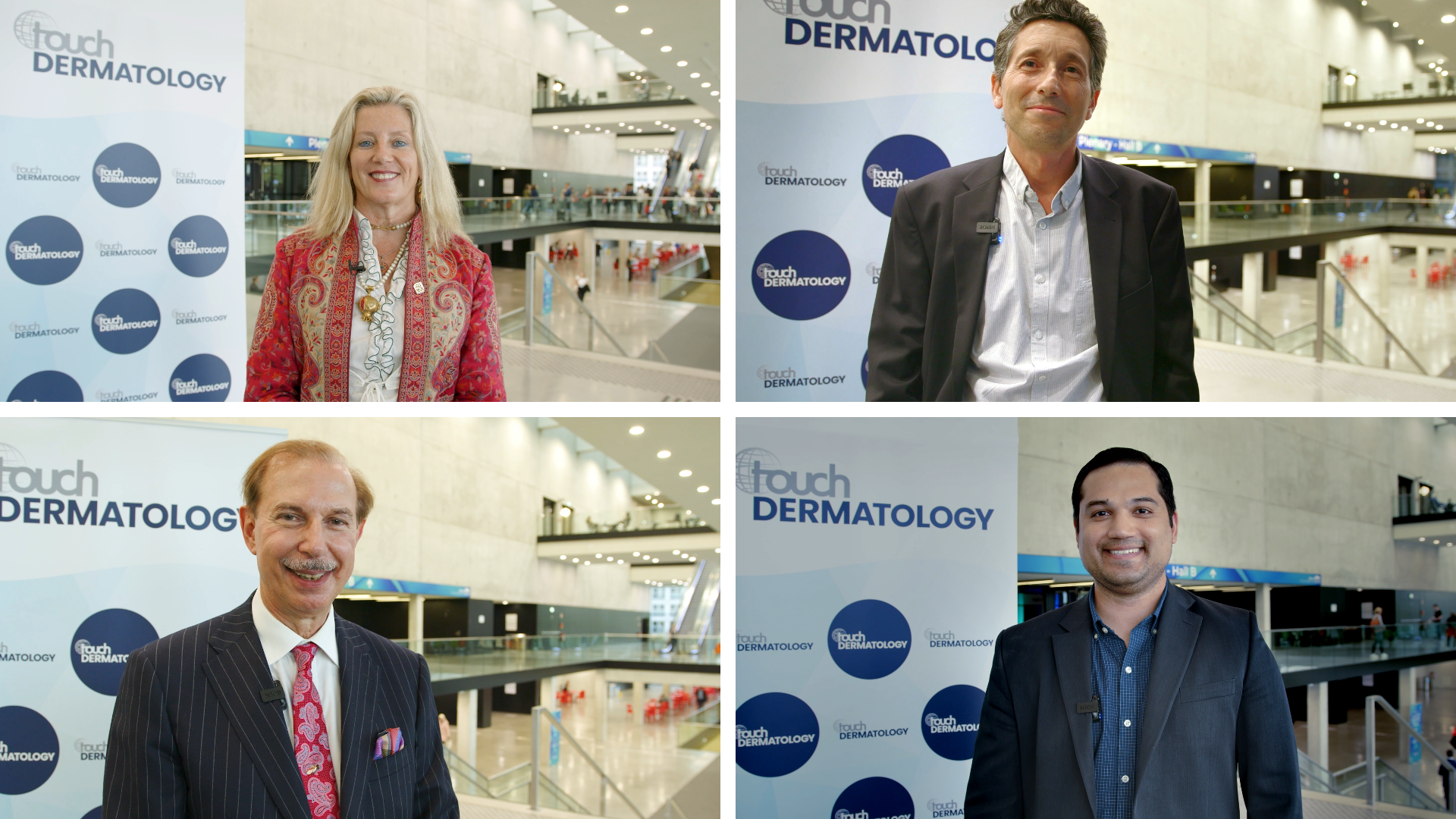
Explore some of the key insights from EADV 2023: Prof. Thierry Passeron illuminates pigmentary disorders breakthroughs, Dr Raj Chovatiya unveils atopic dermatitis innovations, Prof. Leonardo Marini sheds light on aesthetic medicine developments, and Prof. Dedee Murrell reveals treatment progress exciting clinical trials and key discoveries in blistering and autoimmune diseases. Filmed in coverage of the EADV Annual Meeting. This content was developed by Touch Medical Media and is not affiliated with the European Academy of Dermatology & Venereology (EADV) or the congress.
Touch Medical Media coverage of data presented at EADV 2023: The phase 2b study evaluating upadacitinib (RINVOQ®) in adults with non-segmental vitiligo achieved the primary endpoint of percent change from baseline in Facial Vitiligo Area Scoring Index, with no new safety ...

TRuE-V1 (NCT04052425) and TRuE-V2 (NCT04057573) were randomized, double-blind, vehicle-controlled phase 3 studies investigating ruxolitinib cream in adults and adolescents with vitiligo. touchIMMUNOLOGY were delighted to speak with Prof. Thierry Passeron (University Hospital of Nice, Nice, France) to discuss the rationale and findings from his pooled analysis looking at the effect of ruxolitinib cream on achievement of VASI50 by body region. The abstract 'Effect of Ruxolitinib Cream on Achievement of VASI50 by Body Region: Week 52 Pooled Analysis of the TRuE-V Phase 3 Studies.' (Abstract number: 3640) was presented at EADV 2022, 7-10 September, 2022. Questions Could you give us a brief overview of the clinical development of ruxolitinib cream which has led to its approval for the treatment of vitiligo? (0:11) What have been the efficacy and safety findings of the TRuE-V studies, and how clinically meaningful are these findings? (0:52) What was the rationale for the pooled analysis you are presenting? (1:45) What were the findings of this analysis and what are the implications of these findings? (2:38) What has been the clinical impact of ruxolitinib cream in this indication since its approval? (3:27) Disclosures: Thierry Passeron discloses consulting for Almirall, Abbvie, Amgen, Astellas, BMS, Celgene, Galderma, GSK, Incyte, Isocell, Janssen, LEO Pharma, Lilly, MSD, Novartis, Pfizer, Sanofi-Genzyme, SUN pharma, and UCB pharma; receiving grant/ research support from Abbvie, Almirall, BMS, Celgene, Incyte, Isocell, LEO Pharma, and Lilly; and receiving honoraria from Almirall, Abbvie, Amgen, Astellas, BMS, Celgene, Galderma, GSK, Incyte, Isocell, Janssen, LEO Pharma, Lilly, MSD, Novartis, Pfizer, Sanofi-Genzyme, SUN pharma, and UCB pharma. Support: Interview and filming supported by Touch Medical Media Ltd. Interview conducted by Victoria Jones. This content was developed by Touch Medical Media and is not affiliated with the European Academy of Dermatology & Venereology (EADV) or the congress.
Log into your Touch Account
Keep track of your clinical interests and newsletter subscriptions.
Sign up with an Email
Or use a .
Register now for FREE access
Already registered? Login below.
