Pediatric Skin Conditions
An Introduction to Pediatric Skin Conditions
Pediatric dermatology is a specialized field within dermatology that focuses on diagnosing, treating and managing skin, hair and nail conditions in infants, children and adolescents. Children’s skin is more sensitive than that of adults and can be affected by a wide range of congenital, developmental and acquired conditions. Paediatric dermatology can encompass common skin conditions such as eczema, diaper rash, acne, warts and fungal infections. It also includes birthmarks and vascular anomalies (e.g. haemangioma), inherited skin disorders (e.g. ichthyosis, epidermolysis bullosa and neurofibromatosis), psoriasis, allergic reactions and skin infections, and cancer. Paediatric dermatologists work closely with parents, paediatricians and other specialists to ensure comprehensive care for young patients. Children’s skin can be more responsive to various treatments, necessitating specialized approaches. Early intervention and proper management by a paediatric dermatologist can help alleviate discomfort, prevent complications and maintain healthy skin throughout childhood and adolescence.
Our supporting partners do not constitute an endorsement of the content on this page.




Dr Maria-Angeliki Gkini explores the growing role of psychodermatology in supporting patients’ wider needs, alongside emerging technologies and approaches that could shape the future management of psoriatic disease.

Meet the dermatologists redefining the future of practice, research, and technology Meet the innovators shaping the future of dermatology The touchDERMATOLOGY Future Leaders 2026 have been nominated and selected to recognize the rising stars shaping the future of across the field ...

We are delighted to announce Dr Thy N. Huynh as a touchDERMATOLOGY Future Leader 2026, selected for her work helping to expand access to specialist care and clinical trials for children. We are delighted to welcome Dr Thy N. Huynh as ...
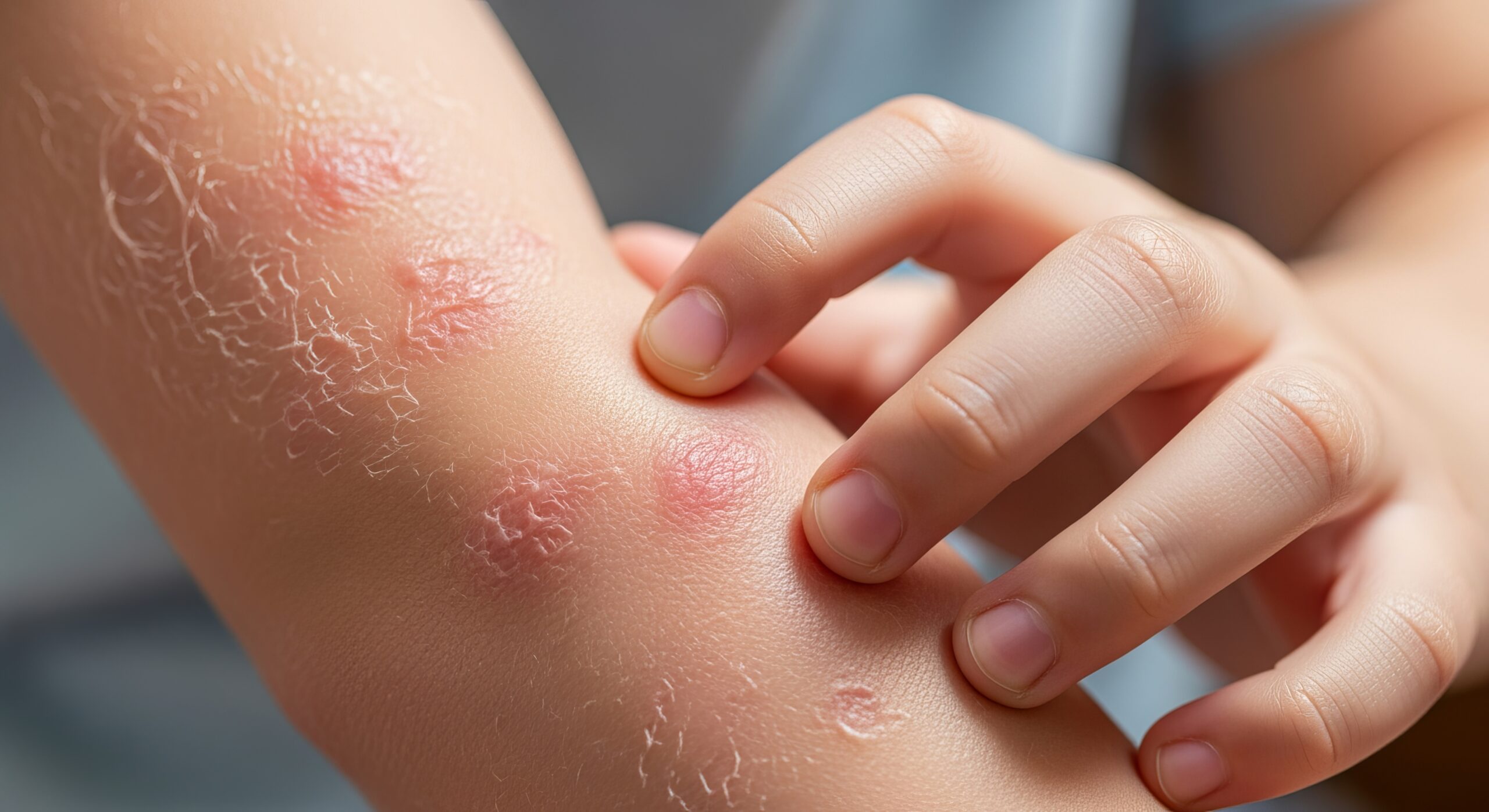
The Pediatric Dermatology Research Alliance (PeDRA) is helping to build a stronger, more sustainable research workforce by providing funding, mentorship, training and collaborative opportunities for investigators at every career stage. Dr Colleen Cotton discusses the challenges facing pediatric dermatology research and why investing in the next generation is essential to improving care for children with skin diseases.
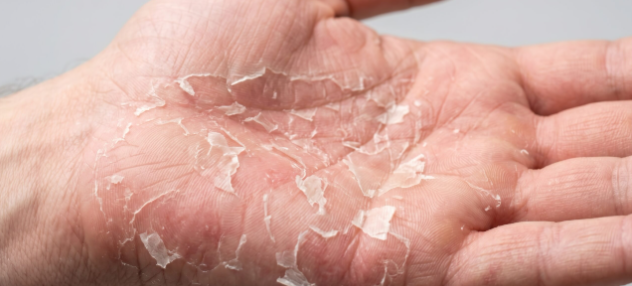
The FDA has cleared the first company-sponsored clinical study in peeling skin syndrome, allowing a phase 2 trial of QRX003 to begin later this year. The investigational topical therapy could represent an important step forward for a rare inherited skin disorder with no approved treatment.

The treatment landscape for vitiligo is evolving, with recent therapeutic advances, potential oral treatments, combination strategies and new consensus efforts helping to shape future care. In this expert interview, Prof. Viktoria Eleftheriadou discusses key takeaways from her BAD Annual Meeting session, including emerging systemic therapies, approaches to improving repigmentation outcomes and the importance of defining vitiligo severity beyond body surface area alone.

Your clinical career is shaped not only by what you know, but by who helps you navigate what comes next. Join us for the final episode in our LEADderm mini-series exploring non-clinical skills that can help you thrive in your ...

Phase 2 findings support weight-based dosing and sustained efficacy through 52 weeks, with no unexpected adverse events in children aged 2-11 with moderate-to-severe atopic dermatitis. [touchplayvideo video_id="516mi7fd42"] TouchDERMATOLOGY coverage from AAD 2026: With four presentations exploring the use of nemolizumab ...

Returning this October, the 2026 PeDRA Annual Conference will bring together clinicians, researchers, trainees, patients, advocates, and industry partners to share ideas, build collaborations, and support progress in pediatric dermatology research. This Q&A offers a preview of the meeting’s theme, format, and opportunities for attendees across career stages.

As 2025 draws to a close, it is clear that the past year has brought notable shifts across dermatology. To reflect on the developments that stood out most, members of our editorial board and recipients of our 2025 Future Leaders in Dermatology award share their perspectives, drawing on experience across subspecialties, regions and stages of career.

In this episode of Visionary Voices, we welcome Associate Professor Grace Vincent from CQUniversity’s Appleton Institute. A leading expert on sleep and shift work, Grace explores how disrupted sleep affects physician health in both the short and long term, as well as its impact on safety and performance. We also discuss what this means for patient outcomes and share practical strategies to manage sleep loss.

The EADV 2025 Congress in Paris showcased the latest research and treatment advances in dermatology. To highlight the most important updates in both paediatric and adult atopic dermatitis, we spoke with Professor Carsten Flohr, a leading expert from London, UK.

Epidermal differentiation disorders (EDDs) are a group of inherited skin conditions caused by disruptions in epidermal development. In recent years, the field has seen major progress, with significant updates to nomenclature, classification and their management. To gain deeper insight into these developments, we spoke with Dr Antoni Gostyński (Maastricht, Netherlands), who co-chaired the EADV 2025 session ‘Epidermal Differentiation Disorders (EDDs) Group: From Genes to Clinics – The Truth About EDDs in 90 Minutes’.

In this episode, we speak with leading paediatric allergist Prof. Helen Brough to explore the key factors behind why some children develop allergies to foods such as peanuts, and what we can do to help prevent them. We also examine the latest developments in managing food allergies and the innovations on the horizon that could transform how we treat them.

This year, we are celebrating our inaugural touchDERMATOLOGY Future Leaders to recognize the outstanding talent that has entered our field in recent years. These individuals are set to innovate and transform dermatology in the years to come. Representing a diverse range of expertise from across the globe, these highly accomplished clinicians are among the brightest minds shaping the future of dermatology. We had the pleasure of learning about their unique career journeys, motivations, and the inspirations that have guided their paths. They also shared their perspectives on the most exciting developments in dermatology today, along with their hopes for the future of the field. Congratulations to all our touchDERMATOLOGY Future Leaders, and thank you for sharing your stories, insights and ambitions with us.
Log into your Touch Account
Keep track of your clinical interests and newsletter subscriptions.
Sign up with an Email
Or use a .
Register now for FREE access
Already registered? Login below.
