
This website is intended for healthcare professionals only

Trending Topic

6 mins

Trending Topic

Developed by Touch
Mark CompleteCompleted
BookmarkBookmarked

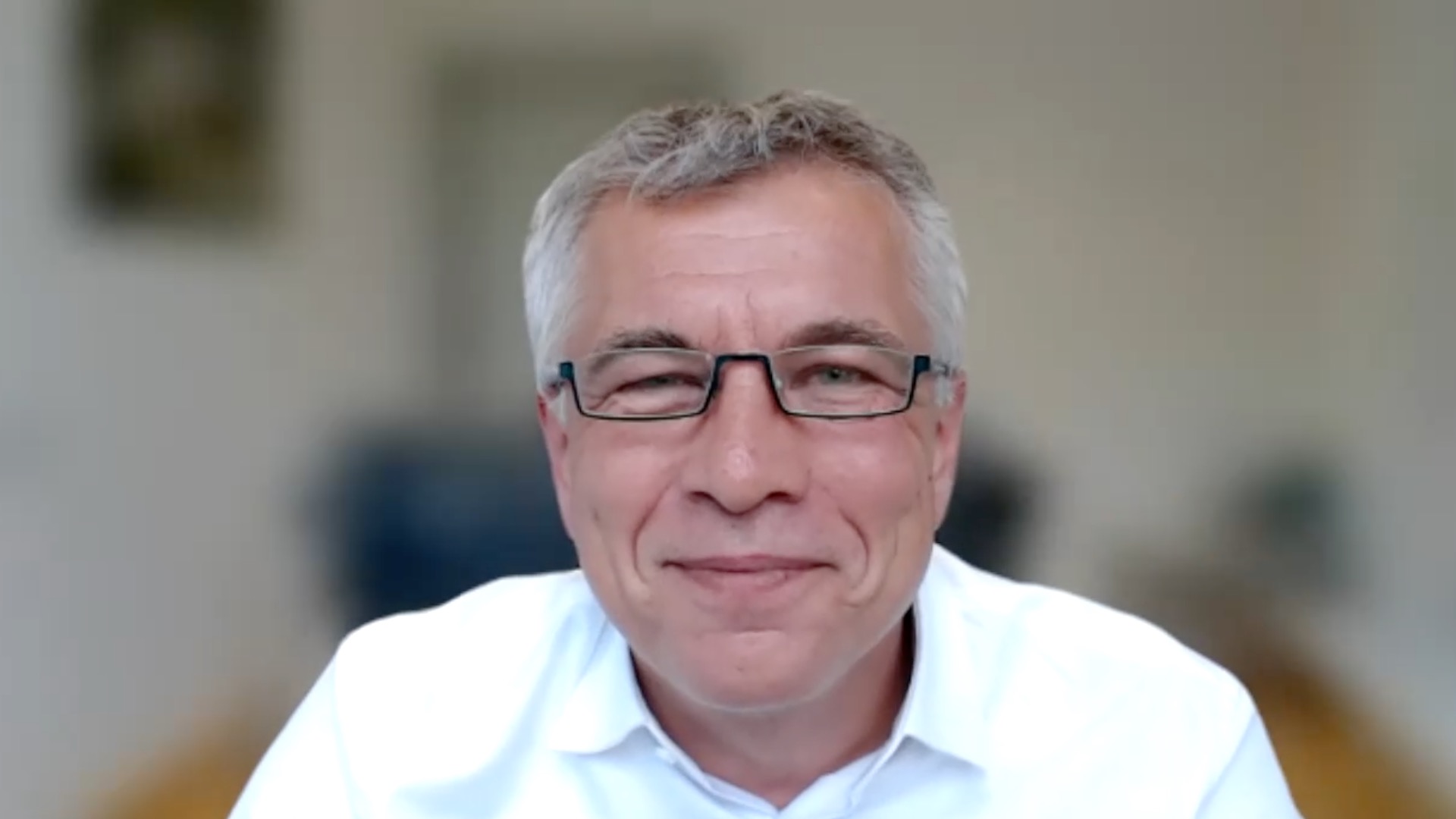
The Pediatric Dermatology Research Alliance (PeDRA) is helping to build a stronger, more sustainable research workforce by providing funding, mentorship, training and collaborative opportunities for investigators at every career stage. Dr Colleen Cotton discusses the challenges facing pediatric dermatology research and why investing in the next generation is essential to improving care for children with skin diseases.

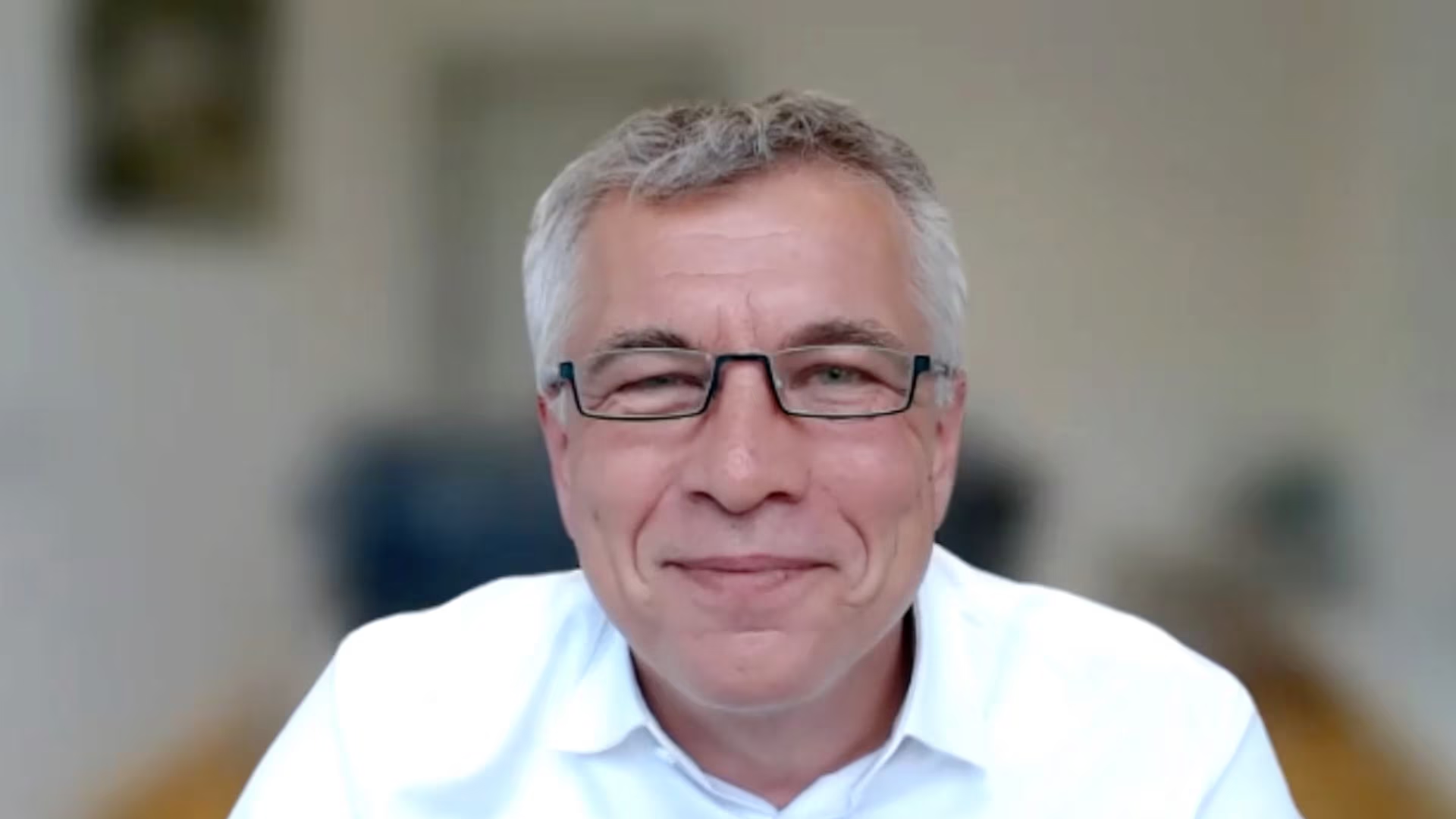
Dr Indrashis Podder on answering an unmet need in urticaria care: touchDERMATOLOGY Future Leaders 2026

Indrashis Podder
4 mins
Share
Facebook
X (formerly Twitter)
LinkedIn
Via Email
Mark CompleteCompleted
BookmarkBookmarked
Copy LinkLink Copied
Published Online: Oct 12th 2026

We are delighted to welcome <b>Dr Indrashis Podder</b> as a <b>touchDERMATOLOGY Future Leader 2026</b>. <a href="https://www.researchgate.net/profile/Indrashis-Podder">Dr Podder</a> is Assistant Professor of Dermatology at the College of Medicine & Sagore Dutta Hospital in Kolkata, India, with a particular clinical and research interest in urticaria and other allergic skin diseases. His specialist development has included a European Academy of Allergy and Clinical Immunology (EAACI) Research Fellowship in urticaria at Hospital del Mar in Barcelona, where he trained under Prof Ana Maria Giménez-Arnau. Dr Podder is a member of the European Academy of Dermatology and Venereology Urticaria and Angioedema Task Force and the EAACI Task Force on Biomarkers in Chronic Urticaria. Through these roles and his involvement with the Urticaria Centers of Reference and Excellence (UCARE) network, he contributes to international efforts to improve the understanding, classification, and management of urticaria. His research has explored the gut microbiome, metabolic health, and treatment response in chronic spontaneous urticaria. In this Q&A, Dr Podder discusses the unmet need that drew him to allergic skin disease, the fellowship and mentors that shaped his path, and how biologics and personalized medicine could transform urticaria care. <hr /> <h3 class="icon-heading"><span style="color: #076372;">Q: <b>What drew you to dermatology, and how did your interest in your current area of focus develop?</b></span></h3> What first drew me to dermatology was its highly clinical nature. I was fascinated by the fact that it is still a specialty in which so many diagnoses are made through visual inspection and physical examination, compared with other fields that have become increasingly reliant on laboratory tests and imaging. That visual aspect also makes dermatology particularly interesting, because patients can also often assess whether their condition is improving or worsening. On a lighter note, the relative lack of emergencies and the lure of a good night’s sleep also made the specialty appealing! Dermatology is an incredibly broad specialty, covering everything from infectious and inflammatory conditions to neoplastic disease. I became particularly interested in allergic skin disorders because they represent a significant burden in my country, yet there remains a shortage of specialists, particularly dermatologists, caring for these patients. That unmet need really captured my attention. I have also always been fascinated by immunology, which has such direct relevance to this group of conditions and continues to shape how we understand and treat them. <div style="border-left: 5px solid #41C0BA; padding: 15px; background-color: #f9f9f9; margin: 20px 0; font-size: 1.0 em;"> <h3 class="icon-heading"><img class="wp-image-80841 alignright" src="https://touchophthalmology.com/wp-content/uploads/sites/16/2026/02/lightbulb-removebg-preview-255x300.png.avif" alt="" width="79" height="93" /></h3> <i>“Allergic skin disorders represent a significant burden in my country, yet there remains a shortage of specialists, particularly dermatologists, caring for these patients. That unmet need really captured my attention.”</i> Indrashis Podder </div> <h3><span style="color: #076372;">Q: <b>Is there a specific patient, mentor, or experience that shaped your path in this field?</b></span></h3> There have been several experiences and mentors who have shaped my interest in allergic skin disease, but if I had to choose one major influence, it would be my involvement with the European Academy of Allergy and Clinical Immunology (EAACI). I became an EAACI member during residency and gradually became more engaged with its educational resources and activities. In 2021, I completed the EAACI/UEMS Knowledge Examination in Allergology and Clinical Immunology, which gave me greater confidence in the field. The following year, I was selected as an EAACI international mentee under Prof George Konstantinou in Greece. The real turning point came in 2022, when I received an EAACI Research Fellowship and traveled to Barcelona to undertake specialist training in urticaria with Prof Ana Maria Giménez-Arnau. Around the same time, my center was recognized as a UCARE center, which opened the door to wider international collaboration, and allowed me to become more involved in global urticaria research. Among my mentors, I have to mention Prof Ana Maria Giménez-Arnau, under whose guidance I completed my EAACI Research Fellowship in Barcelona. I would also like to acknowledge the late Prof Marcus Maurer, a visionary urticaria researcher. I was fortunate to meet him on several occasions and to collaborate with him on a number of articles, and I will always value those experiences. Finally, I have to mention the wider UCARE community, whose support and encouragement continue to motivate me in my work. <h3><span style="color: #076372;">Q: <b>What current innovations in dermatology excite you the most?</b></span></h3> I am particularly excited by the therapeutic advances we are seeing across dermatology and the move toward greater precision in treatment. New biologics are continually emerging that target specific immunological pathways, mediators, and receptors across a range of dermatological conditions, including allergic skin disease. What fascinates me most is the transition from broadly evidence-based treatment toward a more personalized approach, where we can begin to identify which therapy is most likely to benefit an individual patient. I think this shift toward precision medicine has the potential to transform how we manage many dermatological conditions, and it is an incredibly exciting development for the specialty. <strong>Disclosures</strong>: This short article was prepared by touchDERMATOLOGY in collaboration with Dr Podder. No fees or funding were associated with its publication. <em><strong>Citation</strong></em>: Dr Indrashis Podder on answering an unmet need in urticaria care: touchDERMATOLOGY Future Leaders 2026. touchDERMATOLOGY. XX September 2026. <img class="aligncenter wp-image-22179 size-full" src="https://touchderma.com/wp-content/uploads/sites/27/2026/09/touchONCOLOGY-Future-Leaders-2026-6-scaled.png" alt="touchDERMATOLOGY Future Leaders 2026" width="2560" height="1280" /> <h1 style="text-align: center;"><strong>Register now to receive the touchDERMATOLOGY newsletter!</strong></h1> Don&apos;t miss out on hearing about our latest peer reviewed articles, expert opinions, conference news, podcasts and more. <p><span class="bth-flex bth-flex-gap-15 bth-flex-align-center" style="justify-content: left;"><span class="bth-button-container"> <span class="bth-button_shift trigger-old-sso_modal_signup" data-contextual-container-id="login-signup-forms" data-contextual-content-id="signup-form" data-contextual-no-animation="true" data-contextual-resize-duration="0" data-popup-id="signup-popup" onclick="popupOpen(this), contextualContent(this);"><span class="bth-link-wrapper"><span class="bth-link-move"><span class="bth-link-text"><i class="fa-light fa-envelope-circle-check"></i> Register</span> <span aria-hidden="true" class="bth-link-text"><i class="fa-light fa-envelope-circle-check"></i> Register</span></span></span></span> </span></span></p> <img class="aligncenter wp-image-22180 size-full" src="https://touchderma.com/wp-content/uploads/sites/27/2026/09/Newsletter-Sign-Up_Derma.png" alt="DERMATOLOGY Newsletter banner" width="760" height="200" />

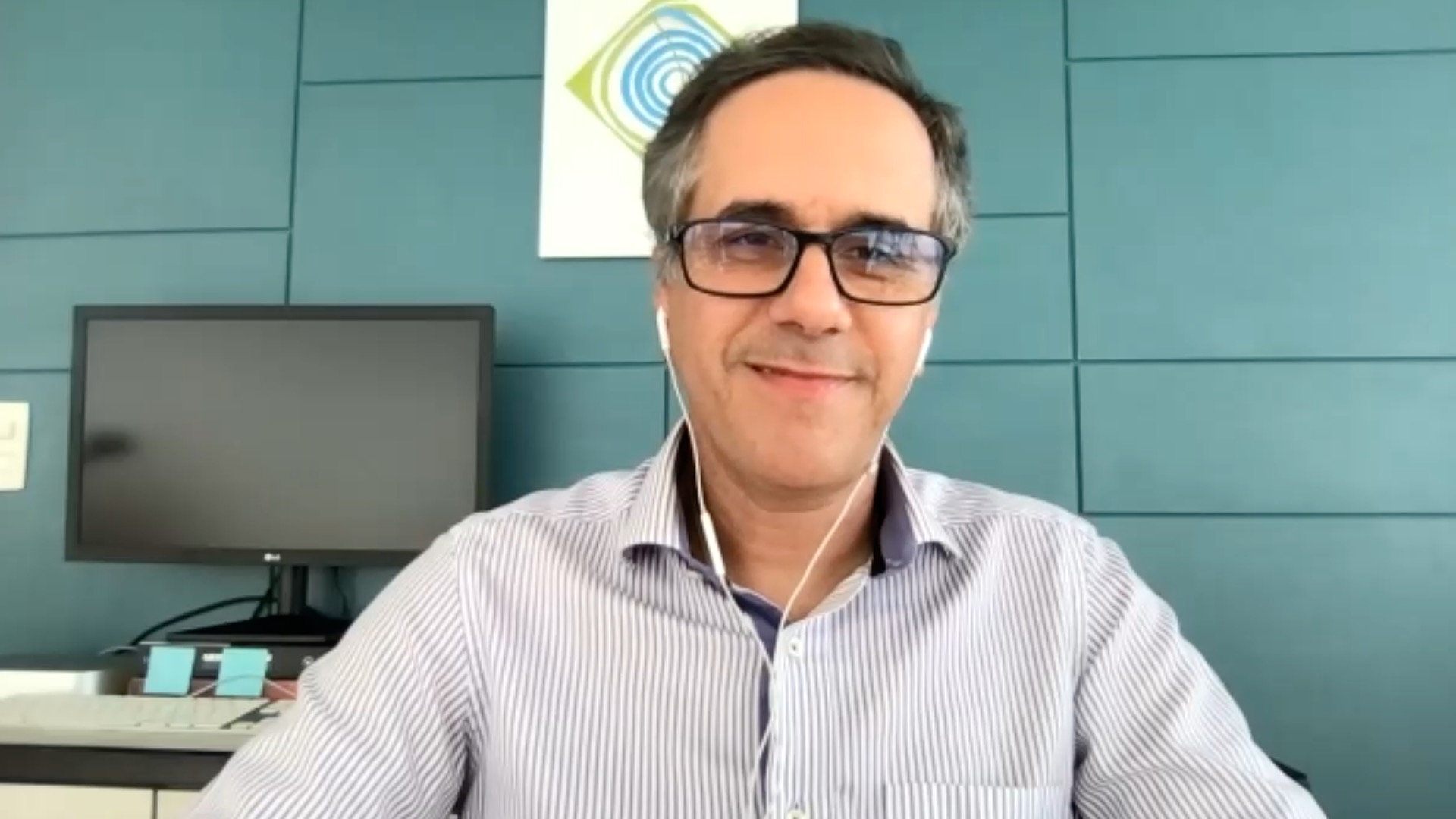
We are delighted to welcome Dr Indrashis Podder as a touchDERMATOLOGY Future Leader 2026.

Dr Podder is Assistant Professor of Dermatology at the College of Medicine & Sagore Dutta Hospital in Kolkata, India, with a particular clinical and research interest in urticaria and other allergic skin diseases. His specialist development has included a European Academy of Allergy and Clinical Immunology (EAACI) Research Fellowship in urticaria at Hospital del Mar in Barcelona, where he trained under Prof Ana Maria Giménez-Arnau.

Dr Podder is a member of the European Academy of Dermatology and Venereology (EADV) Urticaria and Angioedema Task Force and the European Academy of Allergy and Clinical Immunology (EAACI) Task Force on Biomarkers in Chronic Urticaria. Through these roles and his involvement with the Urticaria Centers of Reference and Excellence (UCARE) network, he contributes to international efforts to improve the understanding, classification, and management of urticaria. His research has explored the gut microbiome, metabolic health, and treatment response in chronic spontaneous urticaria.

In this Q&A, Dr Podder discusses the unmet need that drew him to allergic skin disease, the fellowship and mentors that shaped his path, and how biologics and personalized medicine could transform urticaria care.


Q: What drew you to dermatology, and how did your interest in your current area of focus develop?

What first drew me to dermatology was its highly clinical nature. I was fascinated by the fact that it is still a specialty in which so many diagnoses are made through visual inspection and physical examination, compared with other fields that have become increasingly reliant on laboratory tests and imaging. That visual aspect also makes dermatology particularly interesting, because patients can also often assess whether their condition is improving or worsening. On a lighter note, the relative lack of emergencies and the lure of a good night’s sleep also made the specialty appealing!

Dermatology is an incredibly broad specialty, covering everything from infectious and inflammatory conditions to neoplastic disease. I became particularly interested in allergic skin disorders because they represent a significant burden in my country, yet there remains a shortage of specialists, particularly dermatologists, caring for these patients. That unmet need really captured my attention. I have also always been fascinated by immunology, which has such direct relevance to this group of conditions and continues to shape how we understand and treat them.

“Allergic skin disorders represent a significant burden in my country, yet there remains a shortage of specialists, particularly dermatologists, caring for these patients. That unmet need really captured my attention.”

Indrashis Podder

Q: Is there a specific patient, mentor, or experience that shaped your path in this field?

There have been several experiences and mentors who have shaped my interest in allergic skin disease, but if I had to choose one major influence, it would be my involvement with the European Academy of Allergy and Clinical Immunology (EAACI).

I became an EAACI member during residency and gradually became more engaged with its educational resources and activities. In 2021, I completed the EAACI/UEMS Knowledge Examination in Allergology and Clinical Immunology, which gave me greater confidence in the field. The following year, I was selected as an EAACI international mentee under Prof George Konstantinou in Greece.

The real turning point came in 2022, when I received an EAACI Research Fellowship and traveled to Barcelona to undertake specialist training in urticaria with Prof Ana Maria Giménez-Arnau. Around the same time, my center was recognized as a UCARE center, which opened the door to wider international collaboration, and allowed me to become more involved in global urticaria research.

Among my mentors, I have to mention Prof Ana Maria Giménez-Arnau, under whose guidance I completed my EAACI Research Fellowship in Barcelona. I would also like to acknowledge the late Prof Marcus Maurer, a visionary urticaria researcher. I was fortunate to meet him on several occasions and to collaborate with him on a number of articles, and I will always value those experiences. Finally, I have to mention the wider UCARE community, whose support and encouragement continue to motivate me in my work.

Q: What current innovations in dermatology excite you the most?

I am particularly excited by the therapeutic advances we are seeing across dermatology and the move toward greater precision in treatment. New biologics are continually emerging that target specific immunological pathways, mediators, and receptors across a range of dermatological conditions, including allergic skin disease.

What fascinates me most is the transition from broadly evidence-based treatment toward a more personalized approach, where we can begin to identify which therapy is most likely to benefit an individual patient. I think this shift toward precision medicine has the potential to transform how we manage many dermatological conditions, and it is an incredibly exciting development for the specialty.

Disclosures: This short article was prepared by touchDERMATOLOGY in collaboration with Dr Podder. No fees or funding were associated with its publication.

Citation: Dr Indrashis Podder on answering an unmet need in urticaria care: touchDERMATOLOGY Future Leaders 2026. touchDERMATOLOGY. XX September 2026.
touchDERMATOLOGY Future Leaders 2026

Register now to receive the touchDERMATOLOGY newsletter!

Don’t miss out on hearing about our latest peer reviewed articles, expert opinions, conference news, podcasts and more.


DERMATOLOGY Newsletter banner

Share
Facebook
X (formerly Twitter)
LinkedIn
Via Email
Mark CompleteCompleted
BookmarkBookmarked
Copy LinkLink Copied
Close Popup