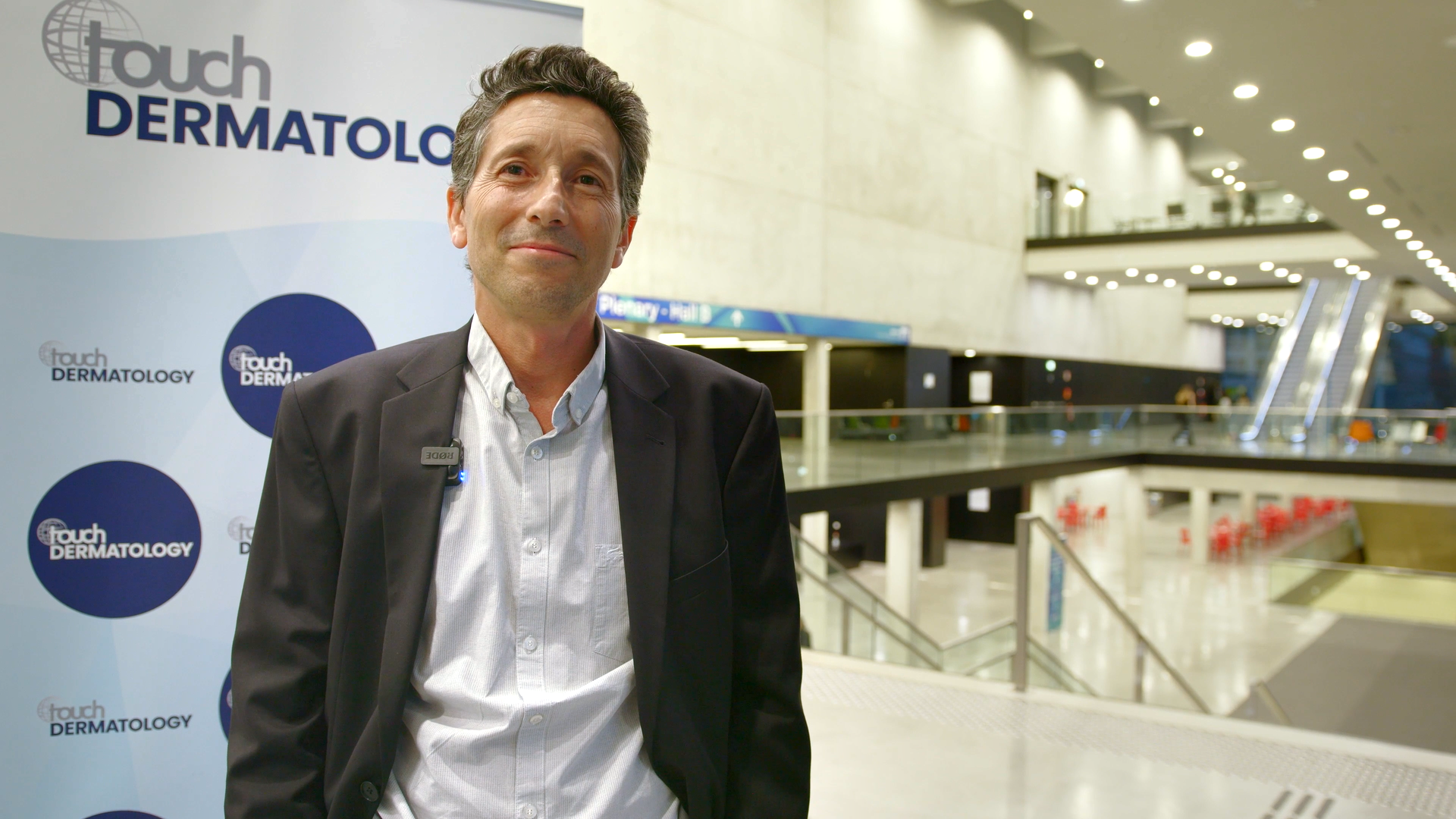
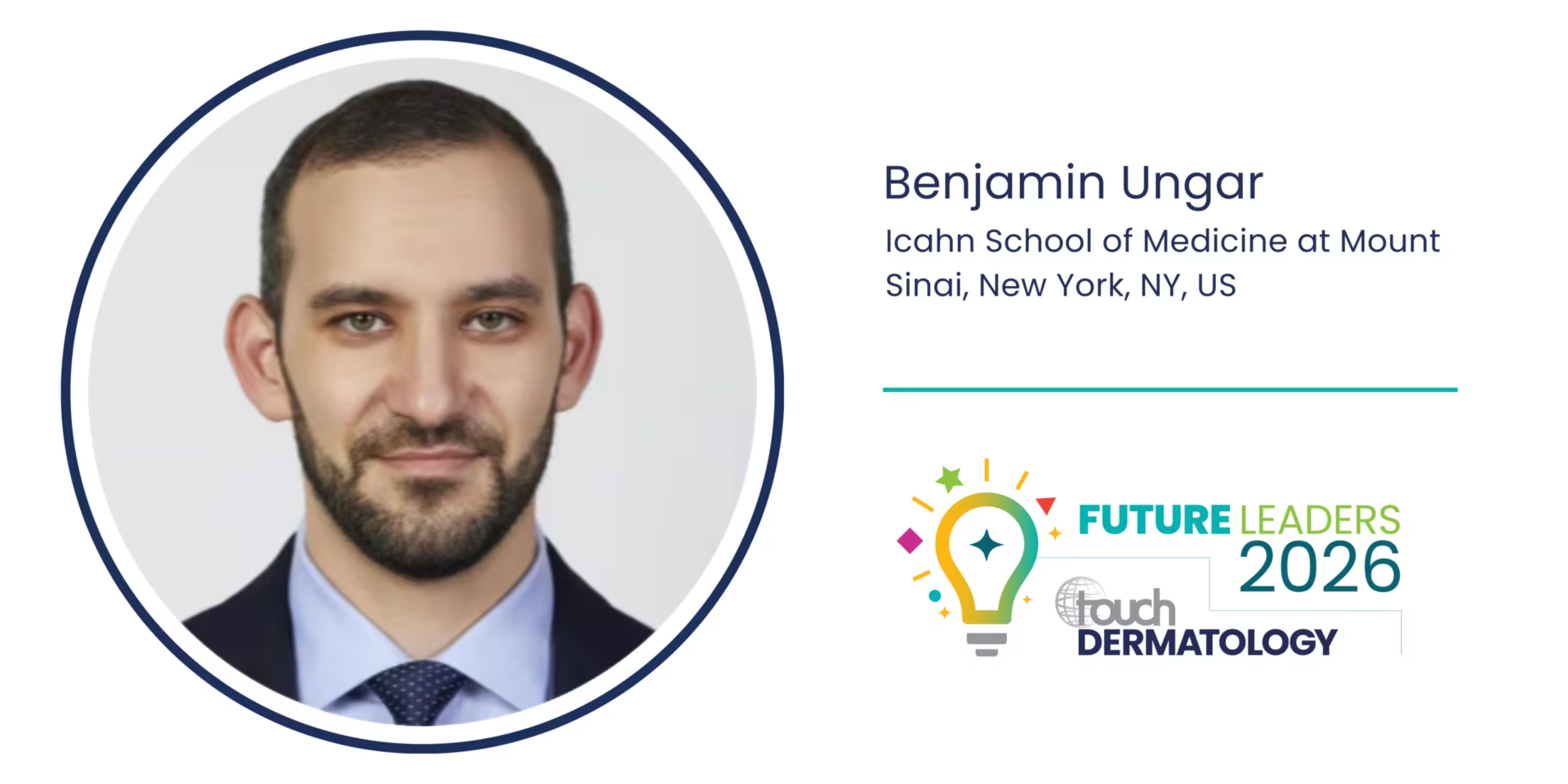
We are delighted to introduce Dr Benjamin Ungar as a touchDERMATOLOGY Future Leader 2026.
Dr Ungar is an Assistant Professor of Dermatology at the Icahn School of Medicine at Mount Sinai in New York, USA, where he is Director of the Alopecia Center of Excellence and Director of the Rosacea and Seborrheic Dermatitis Clinic. His clinical and research interests span alopecia, rosacea, seborrheic dermatitis, atopic dermatitis, and other inflammatory skin diseases.
Alongside his clinical work, Dr Ungar has developed a strong research program focused on understanding the immune pathways underlying inflammatory skin disease and identifying more targeted approaches to treatment.
With numerous publications and leadership roles across several specialist clinical programs, Dr Ungar is helping to advance both the understanding and treatment of complex inflammatory and hair disorders.
In this Q&A, Dr Ungar discusses the research fellowship that drew him to inflammatory skin disease, the mentorship that shaped his translational approach, and how targeted therapies and precision medicine could improve long-term patient outcomes.
Q: What drew you to dermatology, and how did your interest in your current area of focus develop?
When I started medical school, I had a very open mind about specialties that might interest me, not knowing which would be the best fit. I was first exposed to dermatology through shadowing, and I was struck by the diversity of pathologies and treatment approaches in the specialty and, in particular, by the tremendous impact that successful treatment seemed to have on patients’ lives.
During medical school, I had the amazing opportunity to spend two years on a dedicated research fellowship under the mentorship of Dr Emma Guttman, focusing on understanding the pathophysiology of atopic dermatitis. This made it completely clear to me that I wanted to become a dermatologist. That experience also inspired my current focus on inflammatory skin diseases, and I am extremely grateful to be where I am today.
Q: Is there a specific patient, mentor, or experience that shaped your path in this field?
I have been incredibly fortunate to be mentored by Dr Emma Guttman, first as a medical student doing research in her lab, and since then as a dermatology resident and faculty member. Without her guidance, encouragement, and support, I would not be where I am today. Through working with Dr Guttman, I have had the opportunity to witness how translational research can transform clinical care. The amazing treatments we have today, resulting from our understanding of the pathophysiology of atopic dermatitis, have been tremendously shaped by her work. This has provided me with a model of what I can aspire to in my career.

“Through working with Dr Guttman, I have had the opportunity to witness how translational research can transform clinical care… The amazing treatments we have today, resulting from our understanding of the pathophysiology of atopic dermatitis, have been tremendously shaped by her work.”
Benjamin Ungar
Q: What current innovations in dermatology excite you the most?
To me, the rapid pace of innovation currently occurring in dermatology is what is truly exciting. In inflammatory skin disease, we are seeing so many new therapies already approved and even more under investigation. There are numerous novel mechanisms of action and targeting approaches, with a better understanding of underlying disease pathomechanisms driving innovation.
These advances are translating into effective treatments for a growing number of previously difficult-to-treat inflammatory skin diseases and hold increasing promise for precision medicine approaches across a wide range of conditions. Shifting away from broad immunosuppression toward therapies tailored to individual clinical and molecular phenotypes is becoming more and more achievable and offers tremendous hope for better long-term outcomes.
Disclosures: This short article was prepared by touchDERMATOLOGY in collaboration with Dr Ungar. No fees or funding were associated with its publication.
Citation: Dr Benjamin Ungar on the mentorship that shaped a career in inflammatory skin disease: touchDERMATOLOGY Future Leaders 2026. touchDERMATOLOGY. XX September 2026.
Register now to receive the touchDERMATOLOGY newsletter!
Don’t miss out on hearing about our latest peer reviewed articles, expert opinions, conference news, podcasts and more.