All three doses of long-acting IL-13 inhibitor zumilokibart met the EASI-75 primary endpoint at Week 16 in phase 2 APEX Part B, with deeper responses seen in a subset of patients.


Zumilokibart (APG777) is an investigational therapy being evaluated in the phase 2 APEX (NCT06395948) trial for the treatment of moderate-to-severe atopic dermatitis (AD).
Part A evaluated a single dose regimen, with initial findings presented at the 2025 European Academy of Dermatology and Venereology (EADV) Congress. Subsequent results showed that responses were maintained through Week 52 with maintenance dosing every 12 or 24 weeks. Part B, assessed three dose regimens to help identify the most appropriate dose for further development.1
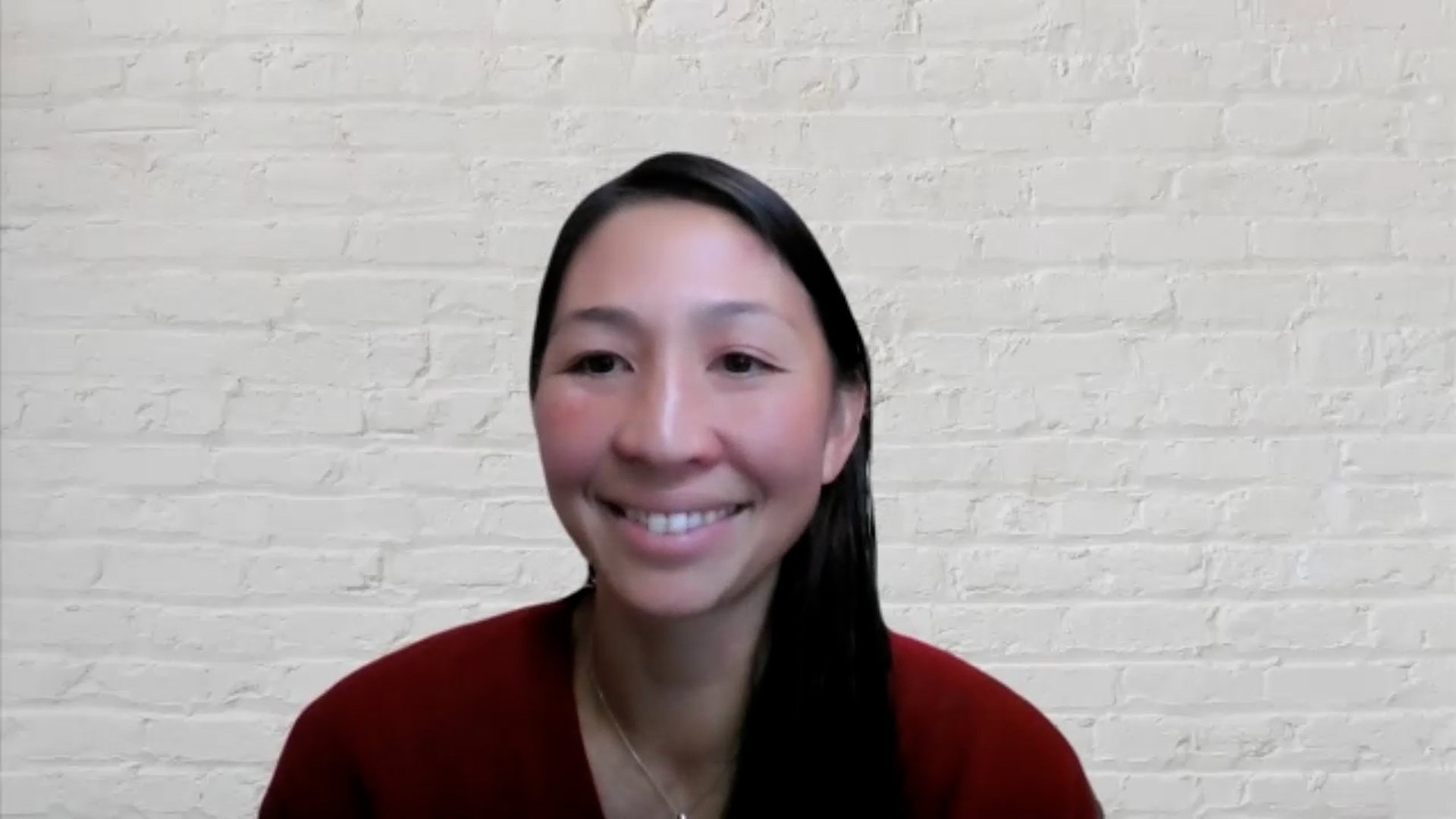
Following her presentation of the Part B results at the EADV 2026 late-breaking session, we spoke with Dr Melinda Gooderham (SKiN Centre for Dermatology, Peterborough, Ontario, Canada) about what distinguishes zumilokibart from currently available therapies, the latest results, and what the overall APEX findings could mean for people living with AD.
Q. What is zumilokibart, and how is it thought to work in atopic dermatitis?
Zumilokibart is a monoclonal antibody that targets interleukin-13 (IL-13), a key driver of inflammation in AD. What makes it different is its extended half-life.
Three amino acid substitutions, collectively known as YTE, are introduced into the Fc portion of the antibody. These strengthen its binding to the neonatal Fc receptor (FcRn), helping protect the antibody from degradation and allowing it to be recycled back into circulation.
This extends zumilokibart’s half-life approximately threefold, to around 75 days, supporting investigation of a less frequent maintenance dosing, every 12 or 24 weeks.
Q. What did Part B of the phase 2 APEX trial show about the efficacy and safety of zumilokibart?
Part B of the APEX study evaluated three dose groups: low-, mid- and high dose. The mid dose regimen was the same as in Part A: 720 mg at Weeks 0 and 2, followed by 360 mg at Weeks 4 and 12. During maintenance, patients would receive 360 mg every 12 or 24 weeks.
Around 350 participants [n=346] were randomized in a 1:1:1:1 ratio to the three zumilokibart groups or placebo. All three dose groups met the primary endpoint, which assessed the proportion of patients achieving at least a 75% improvement in the Eczema Area and Severity Index (EASI-75) at Week 16. We also found that overall, the high dose did not appear to offer any additional efficacy benefit over the mid-dose regimen.
The study also showed deeper responses in some patients, which is something we do not always discuss in this disease area. When looking at minimal or very low disease activity, in the mid dose group, around 20% [20.6%] of patients achieved EASI-90 alongside an itch numerical rating scale score of 0 or 1. In addition, around 16% [16.5%] achieved EASI-100, meaning completely clear skin, or around one in six patients.
In terms of safety, the safety profile was similar across the three dosing groups and consistent with what we have seen with other biologics targeting IL-13 in AD. Overall, the findings were reassuring.
We did see conjunctivitis, which was expected. Rates ranged from around 10% to 20% across the dose groups with a rate of 10.6% in the mid dose group and 20.7% in the high dose group. Conjunctivitis episodes also lasted a little longer in the high dose group.
Taken together, the high dose of zumilokibart offered no additional efficacy benefit over the mid dose and was associated with longer-lasting conjunctivitis. These findings supported selecting the mid dose regimen for the phase 3 program.
Q. What could the APEX findings mean for the treatment paradigm of atopic dermatitis?
Note: This transcript has been lightly edited to ensure clarity.
References
- Silverberg JI, et al. Efficacy and safety of zumilokibart (APG777), a half-life-extended anti-IL-13 antibody, in moderate-to-severe atopic dermatitis: Primary results from the phase 2 APEX Part B dose-regimen-finding study. Presented at: European Academy of Dermatology and Venereology (EADV) Congress 2026, Vienna, Austria, September 30–October 3, 2026.
Cite: Further APEX data supports zumilokibart’s potential as a less frequent dosing option for atopic dermatitis. touchDERMATOLOGY. October 20, 2026.
Disclosure: No funding was received for the publication of this content. Thank you to Dr Gooderham for sharing her expert insights. Dr. Melinda Gooderham discloses: Advisory board/panel fees from AbbVie, Amgen, Apogee Therapeutics, Arcutis Biotherapeutics, Bausch Health, Boehringer Ingelheim, Eli Lilly and Company, Galderma SA, Janssen, LEO Pharma, L’Oréal, Novartis Pharmaceuticals, Pfizer, Regeneron Pharmaceuticals, Sanofi Genzyme, Sun Pharmaceuticals, Takeda, UCB, and UNION Therapeutics. Consultancy fees from AbbVie, Amgen, Apollo Therapeutics, Arcutis Biotherapeutics, Bausch Health, Boehringer Ingelheim, Eli Lilly and Company, Janssen, Novartis Pharmaceuticals, Organon Canada, Sanofi Genzyme, Sun Pharmaceuticals, and UCB. Grants/research support from AbbVie, ACELYRIN, Alumis, Amgen, AnaptysBio, Apogee Therapeutics, Arcutis Biotherapeutics, Aristea Therapeutics, Attovia Therapeutics, Bausch Health, Boehringer Ingelheim, Bristol Myers Squibb, Dermira, Eli Lilly and Company, Galderma SA, GSK, Incyte Biosciences, Insmed, Jamp Pharma, Janssen, LEO Pharma, Meiji Seika Pharma, Merck, MoonLake Immunotherapeutics, Nectar Therapeutics, Novartis Pharmaceuticals, Organon Canada, Oruka Therapeutics, Pfizer, Q32 Bio, Regeneron Pharmaceuticals, Reistone Biopharma, Sanofi Genzyme, Sun Pharmaceuticals, Takeda, Tarsus, UCB, Ventyx, and Vyne Therapeutics. Speaker’s bureau fees from AbbVie, Amgen, Arcutis Biotherapeutics, Bausch Health, Boehringer Ingelheim, Eli Lilly and Company, Galderma SA, GSK, Jamp Pharma, Janssen, LEO Pharma, L’Oréal, Novartis Pharmaceuticals, Organon Canada, Pfizer, Regeneron Pharmaceuticals, Sanofi Genzyme, Sun Pharmaceuticals, and UCB.
Editor: Gina Furnival, Head of Content
touchDERMATOLOGY coverage of EADV 2026: This content has been developed independently by Touch Medical Media for touchDERMATOLOGY. touchDERMATOLOGY was an official media partner of the EADV Congress 2026. touchDERMATOLOGY is not affiliated with the EADV. Views expressed are the speaker’s own and do not necessarily reflect the views of Touch Medical Media.