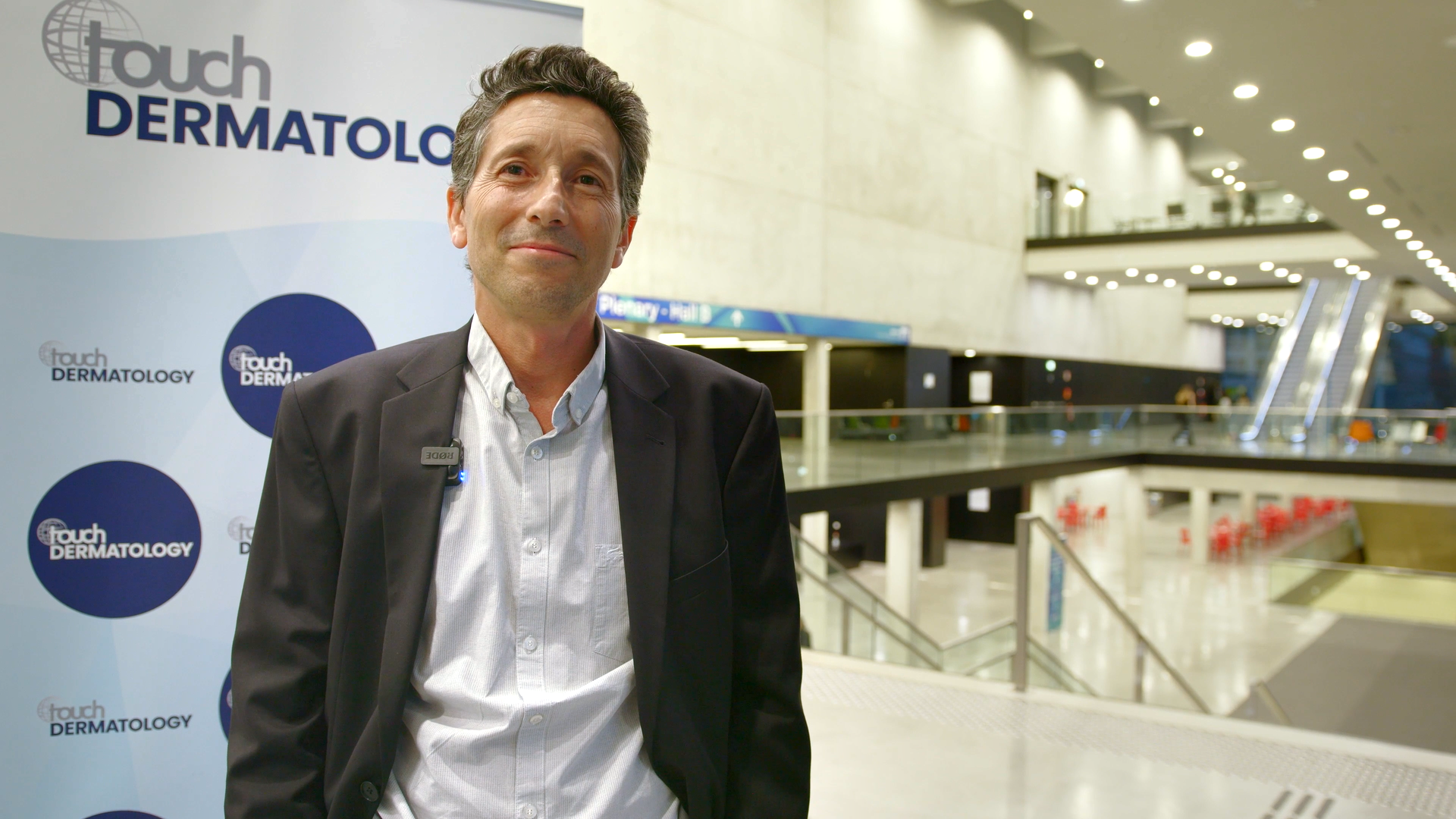
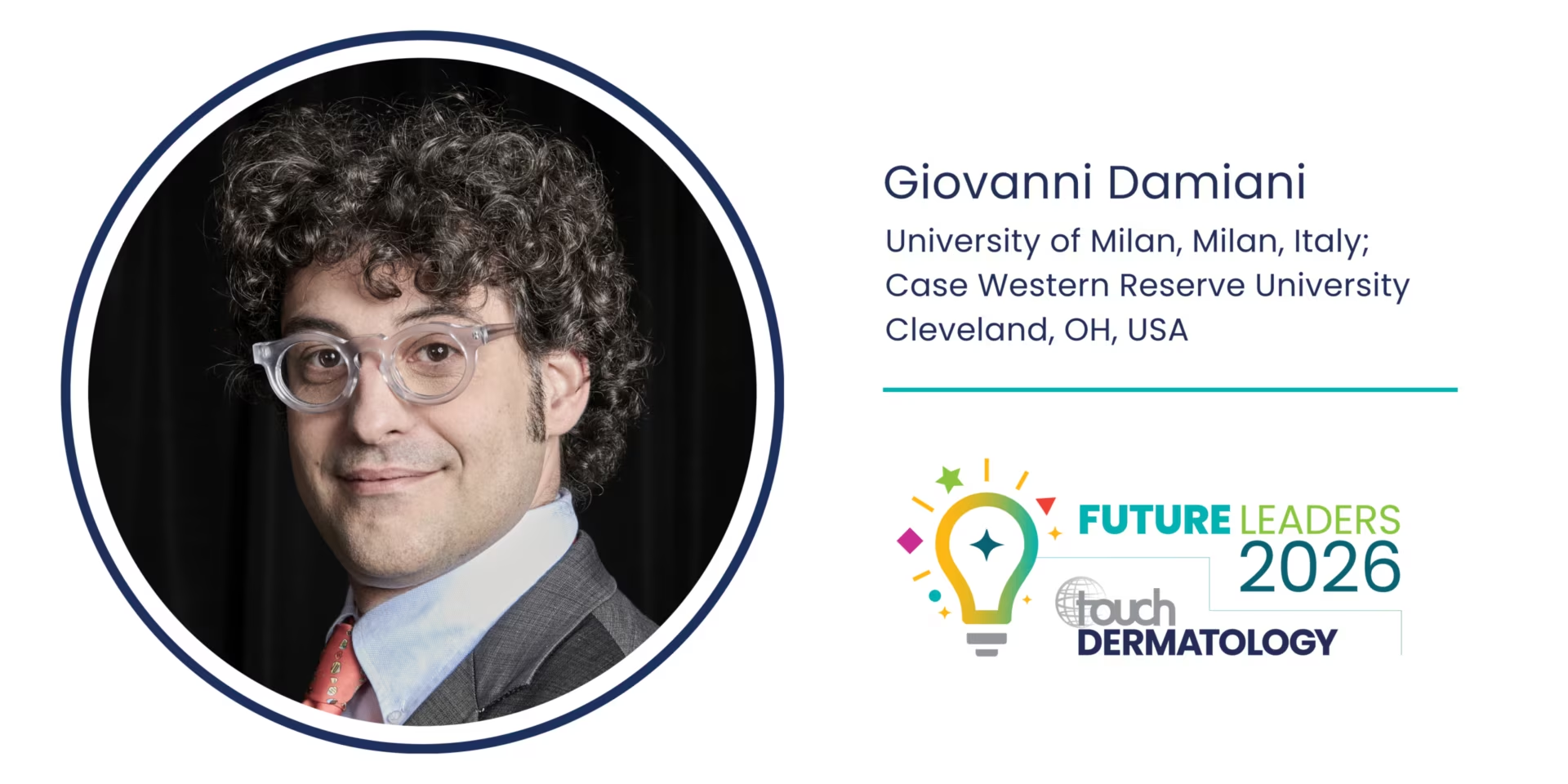
We are delighted to welcome Dr Giovanni Damiani as a touchDERMATOLOGY Future Leader 2026.
Giovanni Damiani, MD, PhD, MSc, is Associate Professor of Dermatology and Venereology at the University of Milan (Milan, Italy) and Clinical Professor at Case Western Reserve University (Cleveland, OH, USA). Internationally known for his work in dermato-immunology and environmental health, his multidisciplinary research spans precision medicine, chronic inflammation, and translational research, with a particular focus on psoriasis endotypes and climate- and pollution-related skin disease. He is Director of the Italian Center for Precision Medicine and Chronic Inflammation and Chair and Founder of the European Academy of Dermatology and Venereology (EADV) Skin and Pollution Task Force, and leads the Master’s program in Skin Neglected Tropical Diseases at the University of Milan.
Dr Damiani also works to advance global health equity through educational and humanitarian dermatology initiatives supporting underserved communities. He served on the Scientific Committee of the Guinea World Skin Health Day Congress in 2024 and 2025 and is Director of the 2026 international project Dermatology Without Borders: Haiti Time, supported by the International Society of Dermatology.
In this Q&A, Dr Damiani discusses the scientific disciplines that drew him to dermatology, the mentors and patient populations that shaped his translational approach, and how machine learning, multiomics and environmental data could help protect vulnerable populations from pollution- and climate-related skin disease.
Q: What drew you to dermatology, and how did your interest in your current area of focus develop?
Dermatology attracted me as a visual intersection of medicine, pharmacology, and immunology. After analyzing Th1/Th17 pathways in psoriasis, I transitioned to Th2-mediated immunity and the environmental exposome (pollution). This led me to found the Italian Center for Precision Medicine and Chronic Inflammation, creating a multidisciplinary framework to drive true clinical translation.
Q: Is there a specific patient, mentor, or experience that shaped your path in this field?
My translational research path was profoundly shaped by Prof. Kevin Cooper at Case Western Reserve University, who taught me to analyze complex skin local immunity perturbations. This clinical foundation was expanded with Prof. Enzo Grossi in Milan, bridging medicine and computer science using artificial neural networks to isolate disease endotypes.
Crucially, my patient-centric philosophy matured by analyzing adherence mechanisms within fragile populations, specifically paraplegics and the homeless. This work, alongside the ATTENZIONI study, proved that addressing environmental pollution, physical barriers, and socioeconomic realities radically optimizes real-world clinical outcomes.

“Breaking traditional medical silos by integrating bioinformatics, environmental science, and social medicine accelerates true clinical translation.”
Giovanni Damiani
Q: What current innovations in dermatology excite you the most?
I am most excited by novel therapies blocking pollution-induced aryl hydrocarbon receptor (AhR) activation, and machine learning pairing air quality data with multiomics to map environmental susceptibility. Breaking traditional medical silos by integrating bioinformatics, environmental science, and social medicine accelerates true clinical translation. This allows us to leverage telemedicine and digital registries to protect fragile populations against climate change, pollution, and infectious dermatoses.
Disclosures: This short article was prepared by touchDERMATOLOGY in collaboration with Dr Damiani. No fees or funding were associated with its publication.
Citation: Dr Giovanni Damiani on connecting disciplines to advance dermatology: touchDERMATOLOGY Future Leaders 2026. touchDERMATOLOGY. XX September 2026.
Register now to receive the touchDERMATOLOGY newsletter!
Don’t miss out on hearing about our latest peer reviewed articles, expert opinions, conference news, podcasts and more.