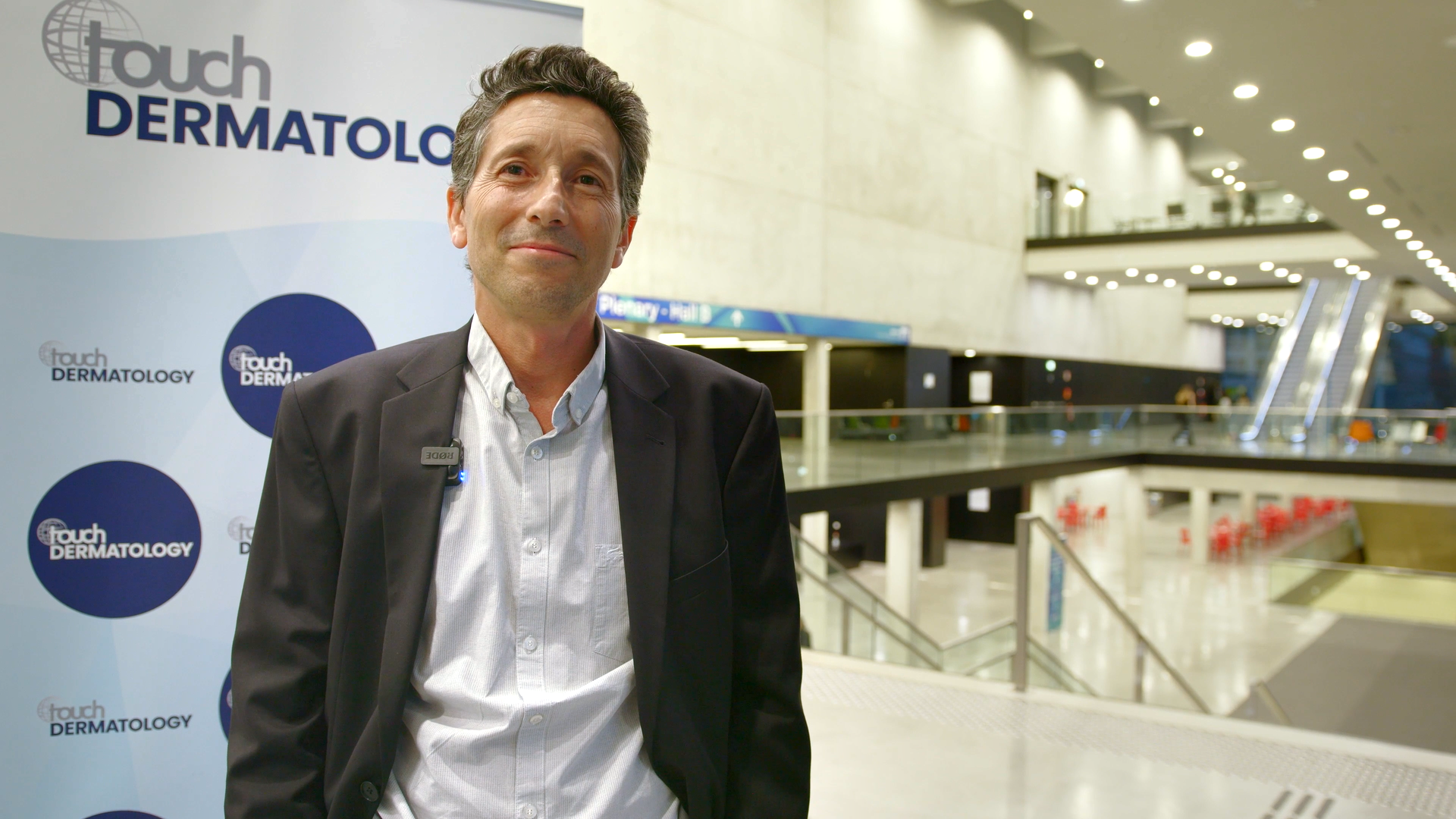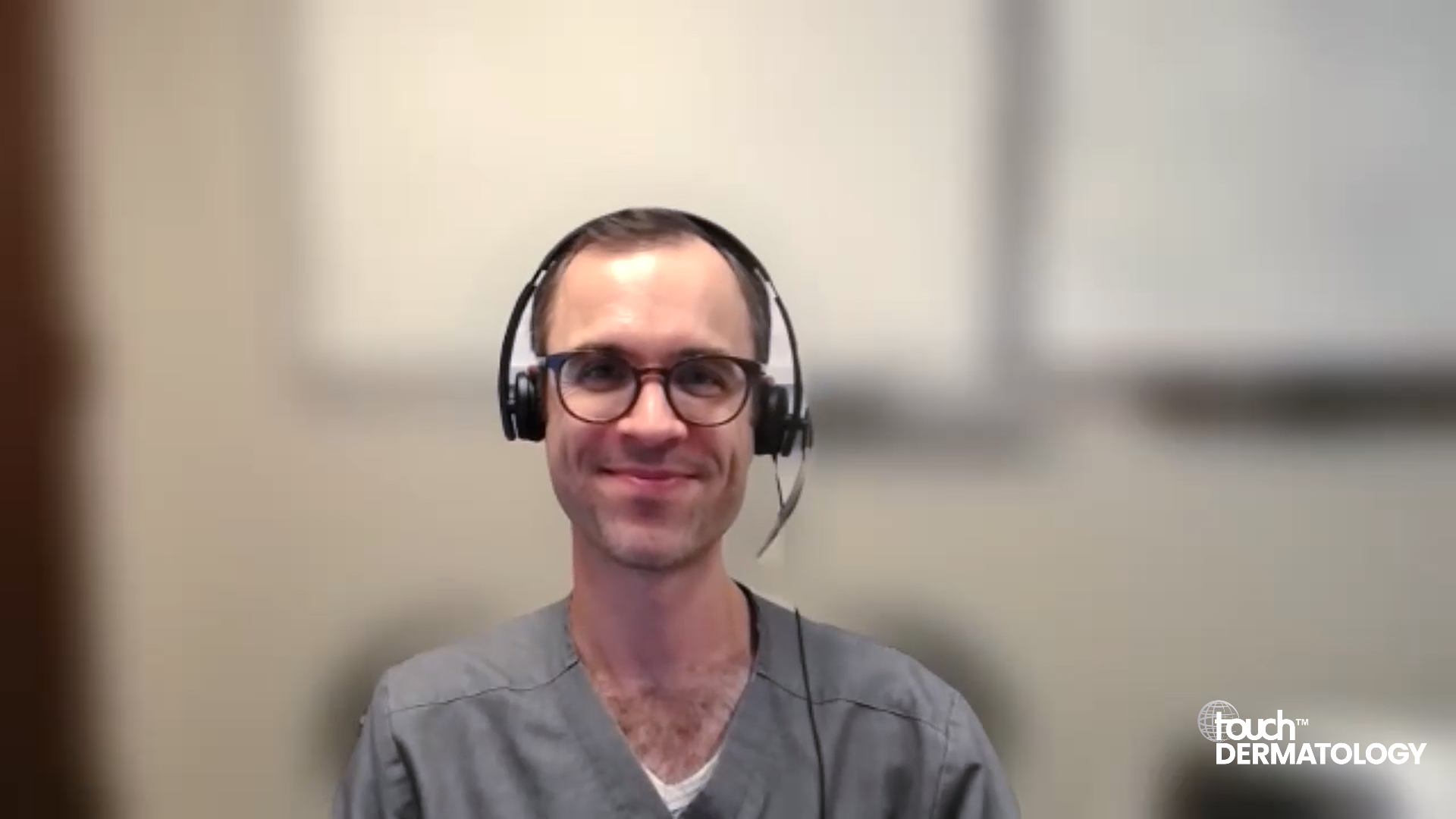
Prof. Raj Chovatiya reflects on the clinical advances and discussions that defined this year’s Revolutionizing Atopic Dermatitis (RAD) meeting.
TouchDERMATOLOGY coverage of RAD 2026:
This June, leading experts in atopic dermatitis (AD) gathered in Nashville, TN, USA, for the Revolutionizing Atopic Dermatitis (RAD) 2026 meeting. Dedicated exclusively to AD, the three-day congress brought together specialists from across the field to explore the latest evidence and evolving approaches to the diagnosis, treatment and long-term management of the condition.
To hear which developments stood out from this year’s meeting, we spoke with Prof. Raj Chovatiya (Rosalind Franklin University of Medicine and Science/Chicago Medical School, Chicago, IL, USA), who co-chaired RAD 2026 alongside Prof. Jonathan I. Silverberg (The George Washington University School of Medicine and Health Sciences, Washington, District of Columbia, USA). In this short video, Prof. Chovatiya shares his highlights from the congress and reflects on some of the key discussions and advances shaping the future of AD care.
Congratulations to Prof. Chovatiya, Prof. Silverberg and the wider RAD faculty on another successful meeting.
New insights are added regularly, covering a broad range of subspecialties. Sign up below for Free Access to the latest clinical updates in your specialty!
Transcript:
Prof. Raj Chovatiya:
There are a lot of highlights to talk about in the world of atopic dermatitis, so let’s jump right in.
Updates on the management of atopic dermatitis:
I think the biggest thing that we were all really interested to hear about at the conference this year was what is happening in the world of atopic dermatitis therapy.
We had a number of sessions reviewing topical, biologic and oral therapies, taking an in-depth look at how we are implementing many of these treatments into our day-to-day practice, but also looking towards the future at some of the emerging mechanisms of action that could perhaps allow us to achieve higher treatment goals, more convenient dosing or other outcomes that are really important to our patients.
Considering the whole patient:
Another really important part of the conference was the concept of thinking about the whole patient, really understanding the underpinnings of atopic dermatitis and how the disease relates to a number of other comorbid conditions that can perhaps be treated with similar therapies. Many of our discussions brought together multiple experts to consider how we can think about and manage the whole patient.
Earlier treatment in atopic dermatitis:
Another really interesting area of discussion this year was pediatrics, and in particular, thinking about how we can treat earlier and what implications this may have for our patients in the long term.
Evolving atopic dermatitis guidelines:
Finally, I would say another highlight for me was thinking about all of our guidelines for atopic dermatitis.
We have now seen a lot of evolution in our treatments and, as a result, the guidelines have also had to evolve, which can make them difficult to keep up with. It was fascinating to think about how dermatologists and allergists, both in the US and outside the US, are handling this wealth of information coming forward in the world of atopic dermatitis.
There is really a lot happening in the field, with more highlights to follow this year and another jam-packed RAD expected next year.
Note: This transcript has been lightly edited to ensure clarity.
Disclosures: Dr Raj Chovatiya has served as a consultant for AbbVie, Acelyrin, Alumis, Amgen, AnaptysBio, Apogee Therapeutics, Arcutis Biotherapeutics, Argenx, Astria Therapeutics, Avalere Health, Beiersdorf, Boehringer Ingelheim, Bristol Myers Squibb, Cara Therapeutics, Castle Biosciences, Celldex Therapeutics, CLn Skin Care, Dermavant, Eli Lilly and Company, EMD Serono, Formation Bio, Forte Biosciences, Galderma, Genentech, GSK, Incyte, Inmagene Bio Inc., Johnson & Johnson, Kenvue, Kowa Pharmaceuticals America, LEO Pharma, L’Oréal, Nektar Therapeutics, Nia Health, Novartis, Opsidio, Organon, Pfizer, RAPT, Regeneron, Sanofi, Sitryx, Takeda, TRex Bio, UCB and Zai Lab.
This content has been developed independently by Touch Medical Media for touchDERMATOLOGY. It is not affiliated with the Revolutionizing Atopic Dermatitis (RAD) 2026 meeting. Views expressed are the speaker’s own and do not necessarily reflect the views of Touch Medical Media.
Cite: What stood out at RAD 2026? touchDERMATOLOGY. August 11, 2026.
Editor: Gina Furnival
SIGN UP to TouchDERMATOLOGY!
Join our global community today for access to thousands of peer-reviewed articles, expert insights, and learn-on-the-go education across 150+ specialties, plus concise email updates and newsletters so you never miss out.