Bringing together clinicians, researchers, trainees, patients, and advocates to share ideas, build collaborations, and shape the future of pediatric dermatology research.

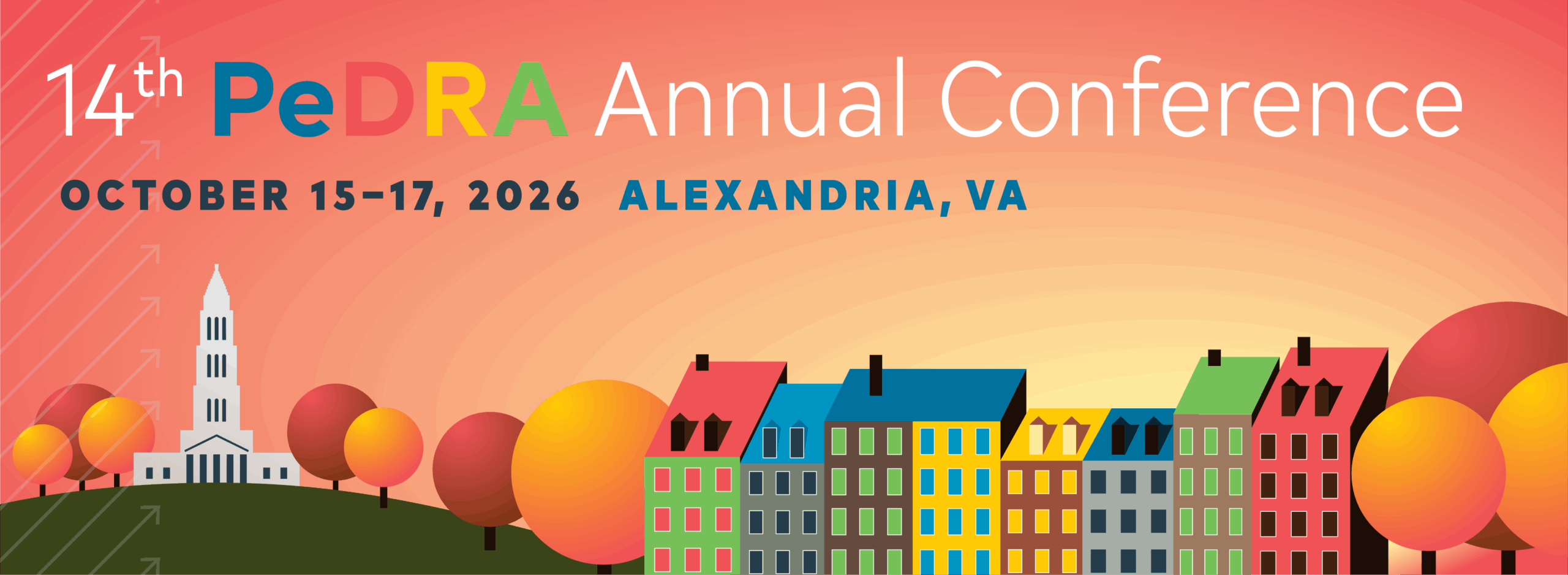
Returning this October, the 2026 Pediatric Dermatology Research Alliance (PeDRA) Annual Conference offers an opportunity to connect, collaborate, and contribute to research that can improve outcomes for children and young people with skin conditions.
In this Q&A, Lara Wine Lee, MD, PhD, Professor of Dermatology and Pediatrics at the Medical University of South Carolina, Charleston, SC, USA, Chair of the PeDRA Meetings Committee and Member of the PeDRA Board of Directors, discusses the aims of this year’s meeting, its collaborative format, highlights from the agenda and the opportunities available for attendees across career stages and roles within pediatric dermatology.
Don’t miss out on hearing about our latest peer-reviewed articles, expert opinions, conference news, podcasts, and more.
Could you tell us about the theme and aims of this year’s PeDRA Annual Conference?
This year’s theme, From Intention to Impact: Making Space for Research, reflects PeDRA’s commitment to advancing meaningful, collaborative research that improves the lives of children with skin diseases.
The conference brings together scientists, clinicians, trainees, industry partners, patients, and advocates to share ideas, build partnerships, and move pediatric dermatology research forward. This year’s meeting will focus heavily on the resources needed to conduct meaningful research, in addition to PeDRA’s long-held commitment to dedicated working time for our 11 Focused Study Groups.
How is the conference structured, and what makes it unique within pediatric dermatology?
What makes the PeDRA Annual Conference unique is how collaborative and multidisciplinary it is. In addition to scientific sessions and research presentations, the meeting creates opportunities for networking, mentorship, and cross-collaboration among researchers, clinicians, trainees, patient advocates, and industry partners. It’s very much designed to encourage conversation and connection, not just presentations.
Our meeting stands apart from others by incorporating the patient viewpoint within every aspect of the meeting. Patients and advocates are encouraged to attend the workgroup sessions to share their research priorities, as well as the resources they have available to researchers.
What are some of the key sessions, speakers, or topics on this year’s agenda that you are particularly excited about?
One area we are especially excited about is the continued focus on emerging research and mentorship opportunities for early-career investigators. We’re also looking forward to sessions highlighting innovative research, clinical advancements, and collaborative discussions around improving care and outcomes for children with skin diseases.
This year will feature a presentation by Alexa Kimball, MD, MPH, Professor of Dermatology at Harvard Medical School, Boston, MA, USA. Additionally, there will be a panel session focused on different tools and practices that can help researchers optimize their time and resources in the name of advancing research.
Who should consider attending the meeting, and what value does it offer for dermatologists at different career stages?
The conference truly offers something for everyone involved in pediatric dermatology research and care, from medical students and trainees to established clinicians and researchers, as well as patients, advocates, industry partners, and other collaborators.
Early-career attendees gain valuable mentorship, networking, and presentation opportunities, while more experienced professionals benefit from collaboration, scientific exchange, and the opportunity to help shape the future of the field. As mentioned before, having non-researchers present brings important patient, caregiver, and industry perspectives that are not always represented at scientific meetings.
Could you tell us more about the NextGen Research Forum?
The NextGen Research Forum is now in its sixth year and has become an important opportunity for medical students and research fellows interested in pediatric dermatology. Participants can expand their networks, develop research and presentation skills, and engage directly with leaders in the field.
The Forum includes both a reception and breakout presentation sessions. One of the highlights is an open discussion with faculty focused on pathways into pediatric dermatology careers, mentorship, and professional development. It’s designed to be welcoming, interactive, and highly supportive for emerging investigators and to help grow the next generation of pediatric dermatology researchers.
What key dates should prospective attendees be aware of, and where can they find further information?
Registration is now open, and there are several important deadlines attendees should keep in mind, including July 2 for early registration, applications for NextGen and travel scholarships, August 13 for abstract submissions, and September 13 for hotel reservations.
The best place to find full conference details, registration information, deadlines, and updates is the PeDRA website at: PeDRA 2026 Annual Conference.
This content has been developed independently by Touch Medical Media for touchDERMATOLOGY in collaboration with the Pediatric Dermatology Research Alliance (PeDRA). Views expressed are the speaker’s own and do not necessarily reflect the views of Touch Medical Media. No funding or publication fees were involved in the publication of this article. Image © 2026. Pediatric Dermatology Research Alliance (PeDRA).
Cite: Involved in pediatric dermatology? Discover what the 2026 PeDRA Annual Conference has to offer. TouchDERMATOLOGY. June 10 , 2026.
Editor: Gina Furnival
SIGN UP to TouchDERMATOLOGY!
Join our global community today for access to thousands of peer-reviewed articles, expert insights, and learn-on-the-go education across 150+ specialties, plus concise email updates and newsletters so you never miss out.