Money is something we all have to navigate, but it is not always something we are taught to understand or manage, nor necessarily something we connect with building a fulfilling career in medicine.
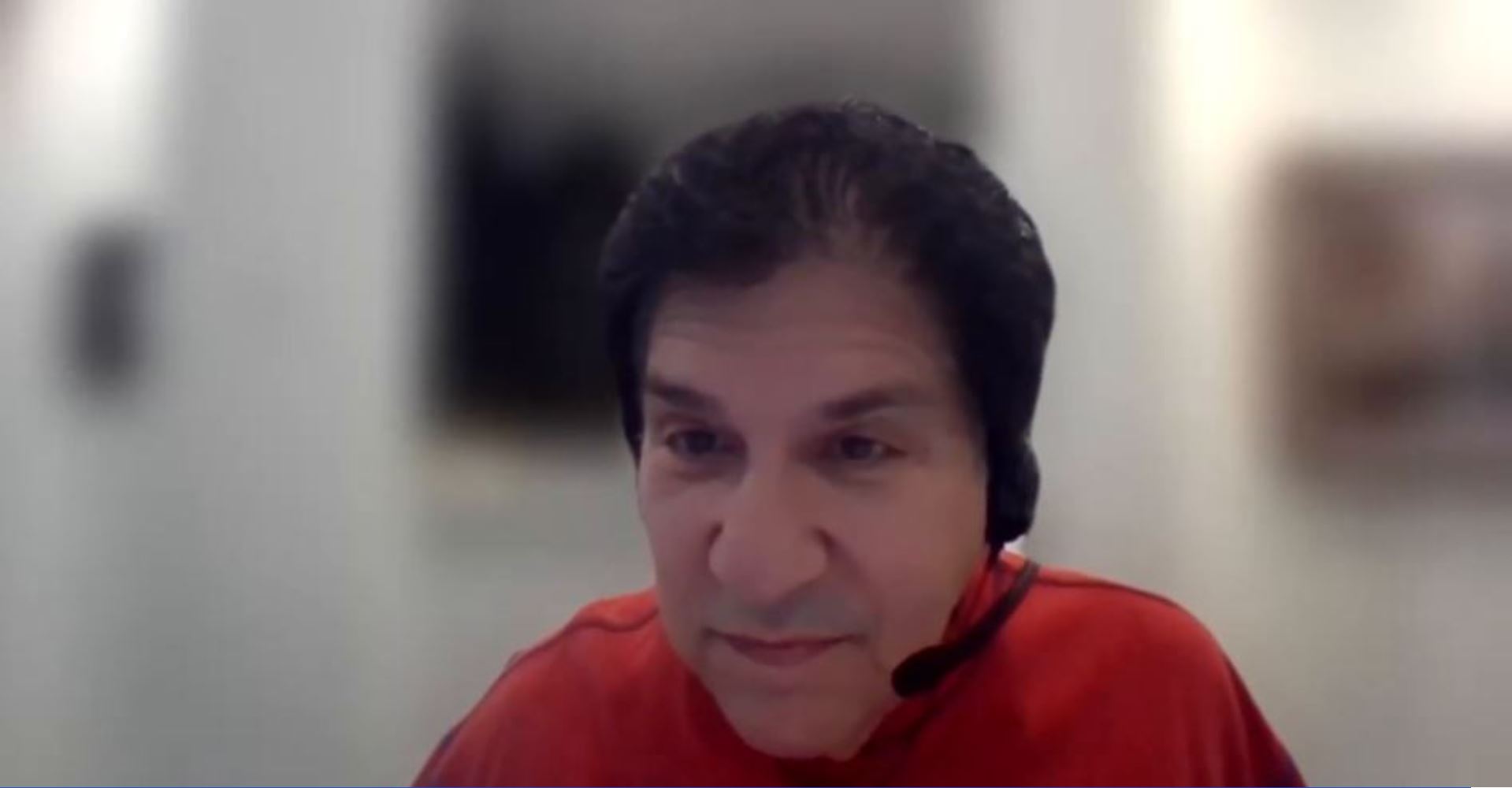
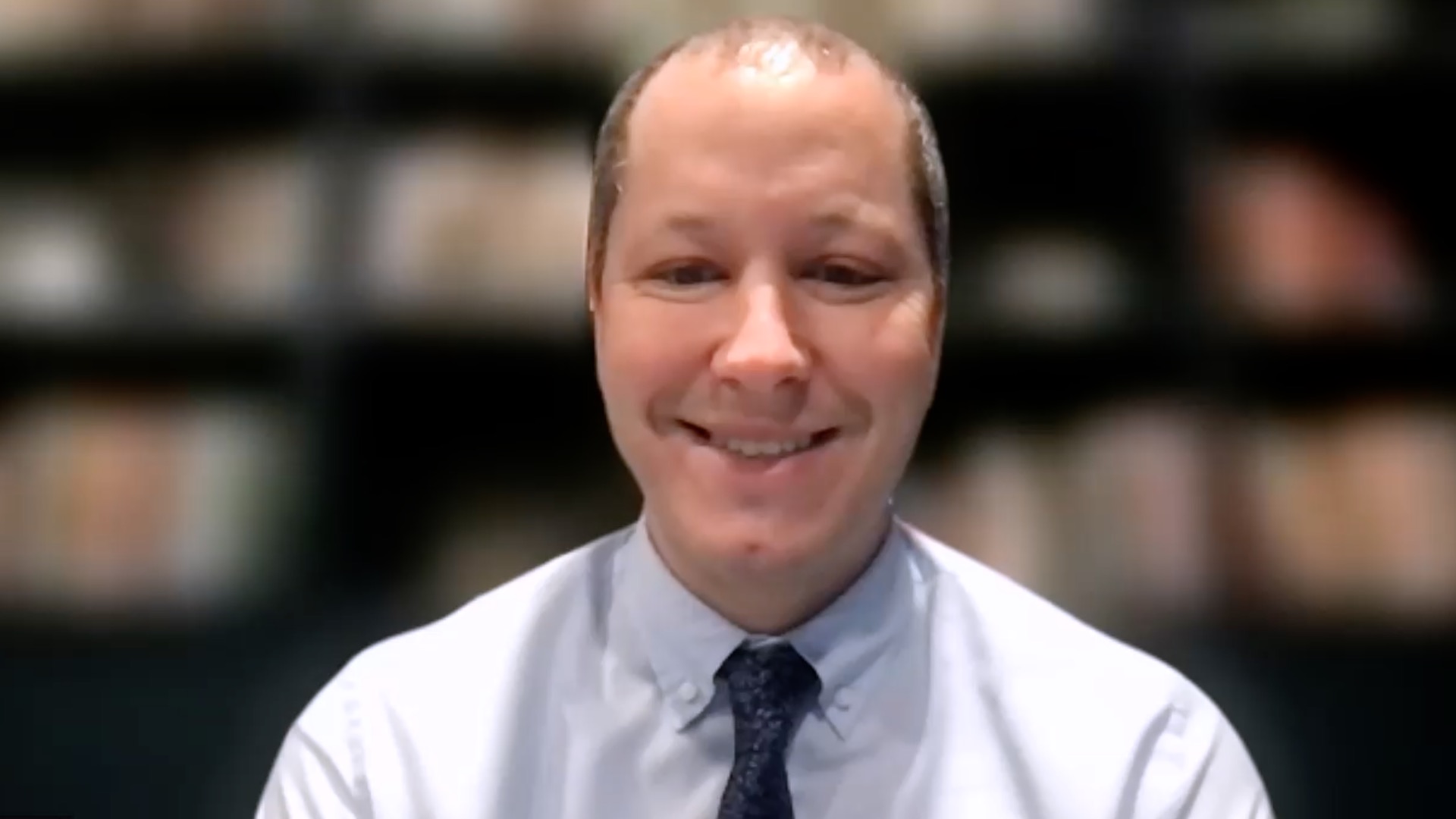
In the second episode of our LEADderm mini-series, we are joined by two US-based clinicans: dermatologist and LEADderm Founder Dr Jennifer Soung, and Dr Bonnie Koo, Founder of Wealthy Mom MD and author of Defining Wealth for Women: Peace, Purpose, and Plenty of Cash, for an honest conversation about financial confidence and redefining wealth. Together, we explore how shifting our mindset around money can create greater freedom, choice and resilience, helping healthcare professionals feel more grounded so that they can thrive in their clinical careers and beyond.
This episode is part of a mini-series produced in collaboration with LEADderm, exploring practical, non-clinical skills that can help healthcare professionals lead with purpose and build fulfilling careers in medicine.
Need to catch up? Listen to: A clinician’s guide to building meaningful media relationships
- Discover more about LEADderm
- Connect with Bonnie Koo
- Read Defining Wealth for Women: Peace, Purpose, and Plenty of Cash!
Gina: Jennifer, welcome back. It is great to have you with us again. How are you?
Jennifer: Great. How are you?
Gina: I am great too. Bonnie, welcome to Visionary Voices. It is your first time with us, and it is great to have you here.
Bonnie: Thank you so much for having me. Gina: No problem. Beyond your work at LEADderm, do you two know each other in other ways? Jennifer: Yes, we can talk about that. There is quite a story. When I first finished residency at UC Irvine, I was the newest research director, and Bonnie was my first research fellow. That is how we met. Gina: It is great to have you both together again and still working together, all these years later. Bonnie, I thought we could touch on your career, because it has taken a slightly different path. You were a practising dermatologist, and since then you have moved into life coaching and teaching financial strategy to physicians. I wondered how you got there. What made you make this move? Bonnie: Great question. Things are also changing now, so the past few podcast interviews I have been doing have captured things in real time. The money and life coaching business happened almost by accident. It unfolded organically when I was learning about personal finance for myself, because I really did not know anything. I started reading books and blogs, and asking questions at work. I was that nosy dermatologist asking colleagues, ‘What are you getting paid?’, because I wanted to make sure people were not being paid more than me. Friends started telling me, ‘People do not know this. You need to share it.’ One person suggested I start a blog, and then people started asking me to give talks for their departments. That told me there was a huge gap in our knowledge. It is not only physicians – most people do not learn this in school. Unless you had a parent who taught you about money, the vast majority of people do not know money. And if you do not know it, you cannot teach your children, so it becomes a perpetual cycle. With physicians specifically, we are high-income earners, but that does not mean we know money. It can just mean we are clueless with more money. Gina: You mentioned your podcast a moment ago. I have listened to episodes myself, and I have also listened to your audiobook. For anyone listening today who has not read it, please go and download it or buy it – it is a great read. I think it is fair to say that when it comes to helping high-income earners, and clinicians in particular, change their financial situation, you have a wealth of knowledge. Today, though, we are going to focus on what you discussed at the recent LEADderm Congress. Could we start by telling listeners what the focus of that talk was? Bonnie: Yes. There is so much I want to share, but for that specific talk I really wanted to lay a framework and foundation. I did not want to assume everyone had the same knowledge base, or even the same way of thinking about money. I wanted to present a simplified approach – not that my way is the highway, but because I think people hear the word money and have no anchor for where to start. I also wanted to present an alternative view. The traditional model of money, especially among physicians, is that you go to school, do really well, become a doctor, make a lot of money and then, at some point, you retire. It is not that this is untrue, but I think it is outdated. More physicians, and really everyone, needs to understand that it is not only about getting a job. It is about having options. You have options when you are not 100% tied to your job, which I affectionately call being ‘just over broke’. Unless people have substantial emergency savings and other sources of income that are not dependent on them showing up to work, most people’s financial situations are quite precarious, no matter how much they earn. Gina: Jennifer, from your perspective as the Founder of LEADderm, why was this topic such a great addition to the programme? Jennifer: My meeting is all about learning beyond the science and treatment of skin. I realized early on that being a happy doctor was not just about learning the science. Over time, it became very clear that there were social and professional skills that I felt were missing. Rather than seeing myself or my colleagues burn out, I wanted us to continue to thrive in medicine. Money is an important aspect of our lives. As Bonnie said, when we think about burnout, it is not just about too much work. Many physicians get into a cycle of thinking, ‘I make good money, so I cannot cut back.’ They become handcuffed to their work. Or they chase a number, looking for the job that pays more, even if it means having less control over their hours or less time to focus on what they care about most in medicine. Gina: Bonnie, you started the session with a concept that I love: high income does not equal freedom. Could you explain a bit more about that? Bonnie: It is easy to assume that if someone is making a high income – and everyone has different definitions of what a high income is – then they are comfortable and set for life. Many physicians earn well over 200,000 or 300,000 dollars a year, but income alone does not guarantee freedom. It depends what you do with the money. If you are investing it, using it to grow assets and putting it into income-producing assets, then that income is a powerful tool. But many people spend everything they make and have nothing to show for it. They may live in a nice house or drive a nice car, but that does not show anything about their actual wealth. It just shows what they spent money on, whether they had it or not. Gina: When it comes to clinicians and other high-income earners, why do so many people believe that earning more money will make them feel more free, more fulfilled, wealthier and better overall? Bonnie: There is something called the arrival fallacy, which applies to many things. A lot of doctors think, ‘Once I become an attending, everything will be fine.’ But that is never the case, because we think something external is going to create that feeling for us. It is your thoughts. It is how you think about yourself. External things can help, but nothing external can jump into your brain and say, ‘Now you are fulfilled.’ Gina: You talk a lot about changing your mindset. What shifts do you think are needed to move away from some of the ideas clinicians may have around wealth and money? Bonnie: It does not matter what number is in the bank. If you are someone who is anxious about money, the more money you have, the more anxious you can become, because then you are afraid of losing it. Things also become magnified. When you are a resident, you are making a relatively low income, but the stakes are lower. When you make more money, there are more zeros attached to everything. We have already had enough delayed gratification as physicians. Thinking that a certain number will make you feel, ‘Now I have arrived’ or ‘Now I can relax’ is not how it works. Gina: How do you have to rethink money, then? Bonnie: First, you have to recognise what you currently think about money. I know that sounds abstract, but it is important. If someone is new to this type of framework, it is basically CBT lite. Your thoughts create your feelings, and then you take actions based on those feelings. For example, if you feel anxious about money, you can reverse engineer it and ask, ‘Why am I feeling anxious?’ Maybe the thought is, ‘I am worried I will never have enough.’ There are very common money beliefs out there. When you are anxious, nothing good happens. There is a saying that worry pretends to be useful. Some stress can be helpful if it gets you into action, but if it paralyses you, it can mean you do not look at your numbers, you do not learn about money and you just pretend everything is fine. Because physicians often have high incomes, it can be easy to ignore money for a long time. You are usually not unable to pay your bills. It is different from some of the other personal finance education out there. We are not necessarily worried about paying the mortgage or buying food, so it becomes easy to ignore money when there is no immediate urgency. Gina: In your presentation, you talked about the seven freedoms. Could you explain what those are? Bonnie: The seven freedoms refer to the fact that when people say they want financial freedom, it can be a vague term. I wanted to make it more specific and tangible. One is location freedom. Many people say, ‘I wish I could live in Los Angeles, but it is too expensive.’ I want to live where I want to live, and if it is expensive, I need to figure out how to have more money. Another is career freedom. As Jennifer mentioned earlier, some people feel stuck in their current job because they are making a great income, even if they are not happy. They may not like that the organization is not as patient-centred as they would want, or they may love the money but hate the job. If money were less of an issue, they could figure out what they really wanted to do. For some, that might mean starting their own practice, but they are afraid of the temporary loss of income and may not see the long-term vision. There is also family freedom. That can mean many things. It might mean paying for infertility treatment, which is not cheap. It might mean doing what you need to do for your family. My son has ADHD and some speech delay, and we have paid for speech therapy, occupational therapy and other support. We also pay out of pocket to see some of the doctors we want him to see. Money makes that possible. Then there is relationship freedom. This may not be as big a concern for some high-income earners, but many women stay in relationships that are not useful or are abusive because they do not have their own money. I am glad more women have their own money and make money, but I still see this among high-income earners, especially if they are the lower-income spouse. There is lifestyle freedom, which I think is often at the top of people’s list. There is also time freedom and career freedom. Lifestyle freedom might mean being able to stay at the five-star hotel instead of the two-star motel, or travelling the way you want and when you want. It might be as simple as wanting more clothes, or something entirely different. It looks different for everyone. Gina: Jennifer, from your perspective, thinking of the clinicians you work with and meet, what are the one or two freedoms they are really focused on or would love to have? Jennifer: I think it varies depending on where you are in your career. I think back to when I first finished residency and finally felt I was making a decent salary and had extra money. That gave me more freedoms. What I love about Bonnie’s book and approach is that when we talk about wealth, it is beyond the exact number. As physicians and scientists, we can become fixated on the quantitative. On top of that, we often have very little time because we are seeing patients. There has also been a gap in education. Early in your career, when you are starting a family, buying a house and starting your career, and you have no time, the things that feel hardest are often the things you avoid. It becomes easy to avoid looking into how to manage this new money you are making and how to sort it out in your life. For women, this can also be on top of having children. I had three children quickly at that point in my life. In this day and age, physicians are tackling complex issues at work, whether that is AI, changes in the healthcare system or burnout. It is even more important to feel grounded in all areas of our lives so that we can deliver the best care to patients. This is one component, and that is why I felt it was essential to have this discussion at LEADderm. Gina: Bonnie, from your perspective, how can knowing these freedoms help with our financial situation? Bonnie: Hopefully, they provide motivation. Everyone needs a why for doing something. The principles of money are simple, and I often remind my clients, ‘You are a physician. You are very smart.’ The missing piece is often having a compelling reason to work on it now. There is more awareness now because a growing number of physicians are not that happy with medicine. I think the motivation is already there for many people, but we need to get clear on why it is important. When you have a family, family is often a main reason. You may want to spend more time with your children. Dermatologists are fortunate that many are not working 80 hours a week, but we still want to be more available, not only physically but mentally. Medicine is mentally taxing, no matter how many hours you are technically at work. There is also more awareness around asking, ‘What do I actually want my life to look like?’ and not living on autopilot. That usually means doing something different, and there is almost always some financial piece involved in those decisions. Gina: One of the things you mentioned was financial flexibility. In practical terms, what does financial flexibility look like in day-to-day life? Bonnie: The easiest way to describe it is: if your paycheque stopped, would you be okay, and for how long? I do not expect everyone I meet to be financially independent – meaning they no longer have to exchange their time and effort directly for money. But for many people, the only thing they have if they lose their paycheque is, hopefully, an emergency fund and perhaps a retirement account that is growing but cannot really be accessed until they are older. When I present it that way, people often realise, ‘This is not good.’ Gina: By being financially flexible, you build resilience to cope with things that might happen, such as illness or a change in your job circumstances. I suppose it probably helps psychologically too. Bonnie: Yes. There is a lot of power in knowing that you can walk away from a situation because you have the money. Even if you do not have the money yet, having the mindset that you will be able to figure it out and make more money is powerful. I always say that all money situations are temporary. When people say, ‘I would love to do this, but I cannot because of money,’ the response is, ‘Maybe temporarily you will not make the same money as before, but you have to think longer term.’ Gina: You also brought up the framework called the Flex Factor, where you break money into today, tomorrow and the future. Why is that framework so helpful? Bonnie: Most of us are only taught about today money, which is your paycheque, and tomorrow money, which is your retirement account – traditionally things like 401(k)s, Roth IRAs and other stock investments. That approach can work, but it is predicated on working for decades and then retiring at 65 or 70. I also think the word retirement is problematic. What does it even mean? Usually, people imagine being 65 or 70 and stopping work, so as a doctor maybe you stop seeing patients or close your practice, and then you travel or do something else. But physicians are not usually going to sit around doing nothing all day. We are always going to want to do something, whether or not that is patient care. Part of this is questioning the paradigm of working for decades and then retiring. We live long lives, and I think multiple careers, evolutions or seasons are what actually happen. It is about creating a life you do not feel you have to retire from. I see physicians who are pursuing FIRE – financial independence, retire early – or other versions of it, because they are trying to stop working because they are unhappy with their current situation. That feels sad. I prefer the idea of work-life integration. It is not really separate; it is all integrated. I do not have this fixed notion of retiring. Gina: What happens when people focus mainly on someday or retirement, and neglect the today and future pieces? Bonnie: Then you do not have options. Covid was a wake-up call for many doctors, especially if they were furloughed or in specialties with many elective procedures. A lot of dermatologists had to close their offices for several months, and it became very clear that this was not good. Again, it comes back to being just over broke. There is growing awareness that it is important to have options and flexibility, and that usually translates to having other sources of income. Gina: You also mentioned the wealth table analogy, where clinicians may have only one leg: clinical income. They are relying on that one leg to keep them steady, but the idea is that you need multiple legs. How can clinicians increase the number of legs on their table so they are not stuck relying on one source of income? Bonnie: First, I want to say that there is not one thing everyone has to do. People ask, ‘Do I have to invest in real estate? Do I have to start a business?’ The answer is no. There are multiple ways to do this. Some of the most common and accessible ways for physicians include real estate. Real estate is a proven wealth vehicle. There is a reason wealthy people often own real estate: it is a physical asset, people always need a place to live, and people always need a place to work. It is also a proven business model with tax benefits. The tax code is written for business owners and real estate investors. Practice owners are also in a unique position. They can think about how to create other streams of income within the practice that are not dependent on them. Many practices already do this when they hire staff, doctors or other providers. Those people are seeing patients, and the owner receives a percentage. But there are other creative ways too. During Covid, one of my friends, a pediatrician and partner in a practice, saw visits decrease significantly. She had to get creative about how to bring money into the practice so they would not go bankrupt. She bought a Covid testing machine because, at that time, testing was being reimbursed well and it was hard to find places to get tested. That helped bring in money. Practice owners have to be creative and flexible. Real estate can also be attractive for physicians because banks tend to like doctors when giving loans, and physicians often have access to capital. There are many ways to do this, but the first step is getting educated about the possibilities. Ultimately, it is about uncoupling direct time and effort from money. With real estate, for example, there may be a lot of time and effort upfront as you learn, but eventually it can uncouple so that the assets continue to pay you without the same ongoing time and energy. Gina: Real estate is a relatively stable investment. What about alternative investments, such as cryptocurrency? Is that something you recommend people look into? Bonnie: Technically, I cannot recommend anything because I am not a licensed financial adviser. I do own some cryptocurrency, which is considered an alternative investment. I put some money in during the big dip around Covid. Now I wish I had bought more. I bought when it dipped to around 16,000 or 17,000 dollars, but I only bought one. Now it is around 100,000 dollars. People often see the stock market as safe, but we have no control over it. A lot of it is based on emotions. I am not saying not to invest in the stock market, but I do like to highlight how little control we have. You do not have control over Bitcoin either, but with real estate, depending on the type of investment, you may have more control because you can do due diligence and select the property or investment. I also invest in mineral rights. Real estate is owning the property and what is above the ground; mineral rights are what you own below the ground for mining. Gina: I had never thought of that one. I suppose the key is diversification – making sure you have a bit of everything? Bonnie: Start with one, because otherwise it can feel overwhelming. The first step is getting your financial house in order. It is easy to think, ‘I need to start investing,’ but first we need to make sure you have an emergency fund. To me, that is the number one priority before other investing. If you do not have other sources of income, your emergency fund is your backup if you lose that paycheque. Gina: For those feeling overwhelmed, where would you recommend they start, especially mindset-wise? Bonnie: It depends on the person, but it starts with deciding that you want to change your financial situation. You do not have to be ready to make a huge decision. You can simply decide to start learning. If people ask what the first practical step should be, I would say: if you do not have an emergency fund, or if it is not well stocked, that should be your first priority. When people talk about three or six months, they mean expenses, not income, because hopefully your expenses are lower than your income. Three months is a great place to start, and six months is ideal. It also does not have to be 100% in cash. It is about access to cash if your paycheque dried up. It could be a combination of cash, taxable investment accounts that can be liquidated within a few days, and, if you own a home, access to home equity credit. It does not look like one thing, but for the most part you want substantial cash reserves as well. Gina: Let us say someone does nothing differently and continues with one income source, while still contributing to a retirement account. What can they expect in terms of wellbeing and career satisfaction? Bonnie: There are plenty of physicians who love what they do, are maxing out their retirement accounts and putting other money towards investments. That can work. But the question is what happens if, in five or 10 years, things change? I think it is safe to say you are not going to be the same person in 10 years, at least I hope not. You may have different desires and different life circumstances. You might love what you do now, but in 10 years you might not. It is prudent to work on that future money as well. Bonnie: Different people also have different timeframes. Some people feel that something has to change soon, and they want to change their financial situation in the next few years. That person will need to do something different. Someone who is not in that situation may be able to take things more slowly. Gina: From a career perspective, we have spoken about sustainable careers and not burning out. Why is thinking more about flexibility important? Bonnie: If you want to work a little less or see fewer patients, money matters. I do not think many people love seeing 50 patients a day, and patients do not like having only seven minutes with their doctor. Most people would love to see fewer patients, but they do not want to make less money. High volume can be ripe for burnout. It may also be about starting your own practice or moving somewhere else, perhaps to a town where you would make less money because salaries are somewhat dependent on location. The question is: am I practising the way I want to practise? If the answer is no, then the next question is why. If the reason has to do with money, then that is your answer. Jennifer: You bring up a really good point. When you look back, are you going to say, ‘I wish I saw one more patient’? It comes back to intentionality. Is what I am doing right now reflecting my core values and purpose? We need to pause and reflect on that. Money is one of those areas in life where we also want to be intentional. Bonnie, you mentioned that you are also reflecting right now and figuring out where you are in your career, whether you are going in the right direction or whether you want to do something different. I think this concept is so important, so that we always feel grounded in what we do. I am excited because this year I will be announcing the LEADderm theme. Last year, we talked about power and partnerships – mentorship, sponsorship and allyship – and how important they are in developing our careers. But even more important is starting with reflection: where am I now, and am I going in the direction I want? It is about creating space for reflection, re-evaluating and ensuring that what I am doing now is aligned with the direction I want to go in. Gina: Yes, I totally agree. Staying practical for those listening who might feel stuck, perhaps chasing the next paycheque or promotion, what is one small thing or shift they could make today, or over the next year, to start moving towards greater freedom – besides building an emergency fund? Bonnie: Figure out what your next non-clinical source of income is, assuming you are primarily dependent on your clinical job for money. Gina: And Jennifer, would it be going to LEADderm 2026, or is there something else you would recommend? Bonnie: Yes, that too! Jennifer: It is a great place to come and talk about these and other important life-fulfilling reflections. My goal is to inspire physicians to thrive in what we do. I feel that is even more important now, in this healthcare environment and in the world at this time, where there is constant change, uncertainty and a sense of feeling unsettled. Pausing to reflect and connect with other physicians who share the same issues is empowering. My goal is that we can turn that energy into thriving and positivity, ultimately helping more patients and keeping people in healthcare. Gina: That brings us to the end today. Firstly, a huge thank you to you both for joining us. It has been great to discuss another skill that sits outside clinical expertise – one that I think people will take on board and hopefully use to improve their lives and build sustainable careers in medicine. As you pointed out, people do not always stay with what they thought they were going to stay with. If you would like to find out more information about LEADderm, you can visit the LEADderm.org. To reach out to Bonnie, you can visit WealthyMomMD.com, and I will include links to the website and your book in the show notes. In terms of social media, is there anywhere else you would like people to find you? Bonnie: Instagram is primarily where I am, and that is @wealthymommd. Everything is Wealthy Mom MD, which makes it easy. Gina: Thank you again. Until next time, goodbye. Before you go, please do not forget: if you enjoyed today’s episode, please subscribe. You can now find us on Spotify, Amazon Music and Apple Podcasts. Note: This transcript has been lightly edited with AI assistance (ChatGPT v5.5) to ensure clarity.
Ultimately, it comes back to how you define what is enough. What I love about Bonnie’s message is this rethinking of purpose, and how money plays a role in your life. Living with financial peace, agency and permission to define what is enough for you is so empowering.

Dr Jennifer Soung, MD, is a board-certified dermatologist, Director of Clinical Research at Southern California Dermatology in Santa Ana, California, and Clinical Professor at Harbor–University of California, Los Angeles. She is also the founder of LEADderm, a movement in dermatology dedicated to nurturing the skills beyond clinical expertise that support career growth, wellbeing and leadership in medicine. Dr Soung focuses on medical dermatology and clinical research, with a particular passion for chronic autoimmune skin diseases, diverse skin tones and improving access to care for underserved communities. She also serves on the medical board of the National Psoriasis Foundation.

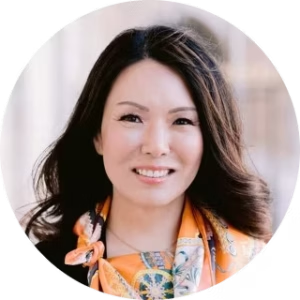 Dr Bonnie Koo is a dermatologist, certified life coach and founder of Wealthy Mom MD, where she helps successful women take control of their finances and build wealth with confidence. After completing her medical degree at Columbia and navigating her own financial challenges, Bonnie began educating herself on how to make her money work for her. She now shares practical personal finance strategies alongside mindset-based coaching through The Wealthy Mom MD Podcast, workshops and interactive programmes, giving women the cognitive tools they need to create wealth on their own terms.

Enjoyed todays episode? Register now to be the first to receive new episode alerts:
This content has been developed independently by Touch Medical Media. Unapproved products or unapproved uses of approved products may be discussed; these situations may reflect the approval status in one or more jurisdictions. No endorsement of unapproved products or unapproved uses is either made or implied by mention of these products or uses by Touch Medical Media. Views expressed are the speaker’s own and do not necessarily reflect the views of Touch Medical Media.