A multinational study links GLP-1 RA use with nearly sevenfold higher odds of reported nail detachment.

 Glucagon-like peptide-1 receptor agonists (GLP-1 RAs) are increasingly used to treat type 2 diabetes and obesity. Although an association with hair loss has been reported, less is known about their potential effects on the scalp and nails. This prompted investigators to explore whether GLP-1 RA use may also be associated with changes in these areas.
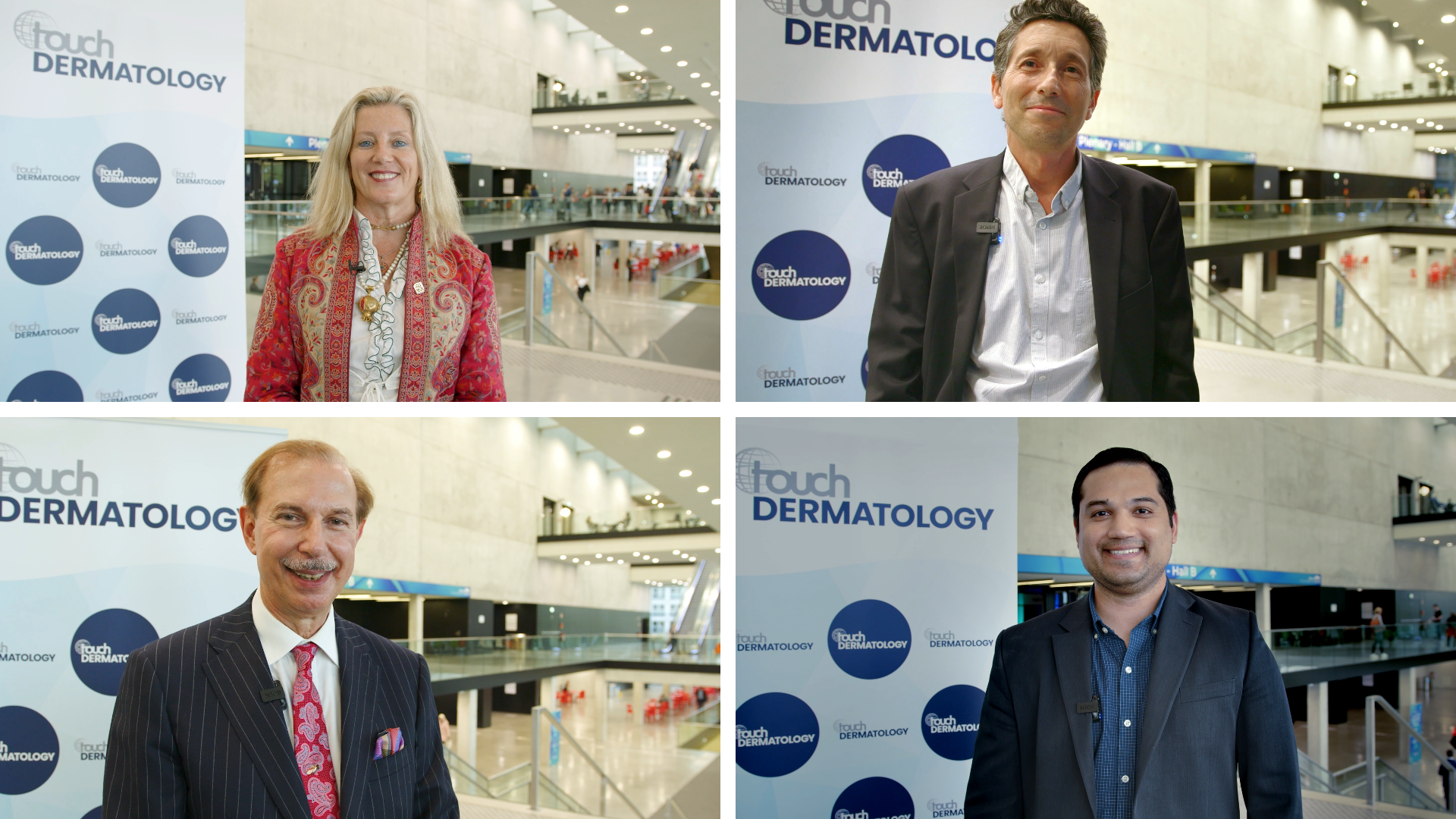
Results from the multinational case-control study were presented during the free communications session on hair and nail disorders at the 2026 European Academy of Dermatology and Venereology (EADV) Congress by Prof. Bianca Maria Piraccini (University of Bologna, Bologna, Italy), who we were delighted to speak with about the findings.1
Study design
This was a multinational cross-sectional study involving around 2,000 people across four countries: France, the United States, Brazil, and Mexico. It included 575 people receiving GLP-1 RAs and 1,329 controls with type 2 diabetes and/or obesity (body mass index >30) who had not received GLP-1 RAs.
Participants completed a questionnaire covering treatment duration and signs affecting different areas of the body, including unusual hair loss, reduced hair volume or density, dandruff, scalp redness, and nail changes. Nail assessments included fragility, discoloration, changes in thickness, onycholysis, and ridges or grooves. This analysis focused specifically on the prevalence of nail disorders.
Weight loss was assessed over a 3-month period, and a stratified analysis explored whether the associations persisted among participants who had lost weight.
Key findings
GLP-1 RA users had received treatment for a mean of 18.5 months, and 76.3% reported weight loss over the preceding 3 months compared with 47.3% of controls.
At least one nail disorder was reported by 66.3% of GLP-1 RA users compared with 52.8% of controls. The strongest association was seen for nail detachment, reported by 39.3% of users compared with 8.7% of those in the control group.
Other nail disorders were also reported significantly more frequently by participants receiving GLP-1 RAs, including discoloration (45.6% versus 17.0%), onycholysis (49.2% versus 29.7%), fragility (58.3% versus 51.1%), and ridges or grooves (46.8% versus 31.8%). These differences between groups remained significant when the analysis was restricted to participants who had lost weight.
Conclusions and next steps
The investigators concluded that the findings highlight a potential association between GLP-1 RA use and nail disorders. As the associations persisted after stratifying by weight loss, they suggested that a drug-related mechanism affecting rapidly renewing keratinized structures may be involved. They recommended incorporating dermatological screening, including nail examination, into routine follow-up for patients receiving GLP-1 RAs.
Prof. Piraccini also emphasized the need for further investigation:
“We now need to explore these findings in more depth. Dermatologists need to examine the nails to understand the causes of these conditions, establish their true prevalence, and determine whether we can prevent or predict their onset.”
Reference
- Piraccini BM, Mengeaud V, Ribet V, et al. Association between GLP-1 receptor agonists and nail disorders: Results from a multinational case-control study. Presented at: EADV Congress 2026, Vienna, Austria, 2 October, 2026. Abstr#1799.
Cite: Study links glucagon-like peptide-1 receptor agonist use with nail disorders. touchDERMATOLOGY. 15 October, 2026.
Disclosures: No funding was received for the publication of this content. We thank Prof. Piraccini for sharing his expert perspectives. Prof. Bianca Maria Piraccini Prof. Bianca Maria Piraccini discloses consulting for/receiving research grant support from/serving on advisory boards for/participating in speakers’ bureaus for Almirall, Bionike, Canova, Difa Cooper, Dercos-L’Oréal, Eli Lilly, Forestipharma, Giuliani, Karo Healthcare, Legacy Healthcare, Pierre Fabre-Ducray, and Pfizer; and consulting for/participating in speakers’ bureaus for Tricopat.
Editor: Gina Furnival, Head of Content
touchDERMATOLOGY coverage of EADV 2026: This content has been developed independently by Touch Medical Media for touchDERMATOLOGY. touchDERMATOLOGY was an official media partner of the EADV Congress 2026. touchDERMATOLOGY is not affiliated with the EADV. Views expressed are the speaker’s own and do not necessarily reflect the views of Touch Medical Media.