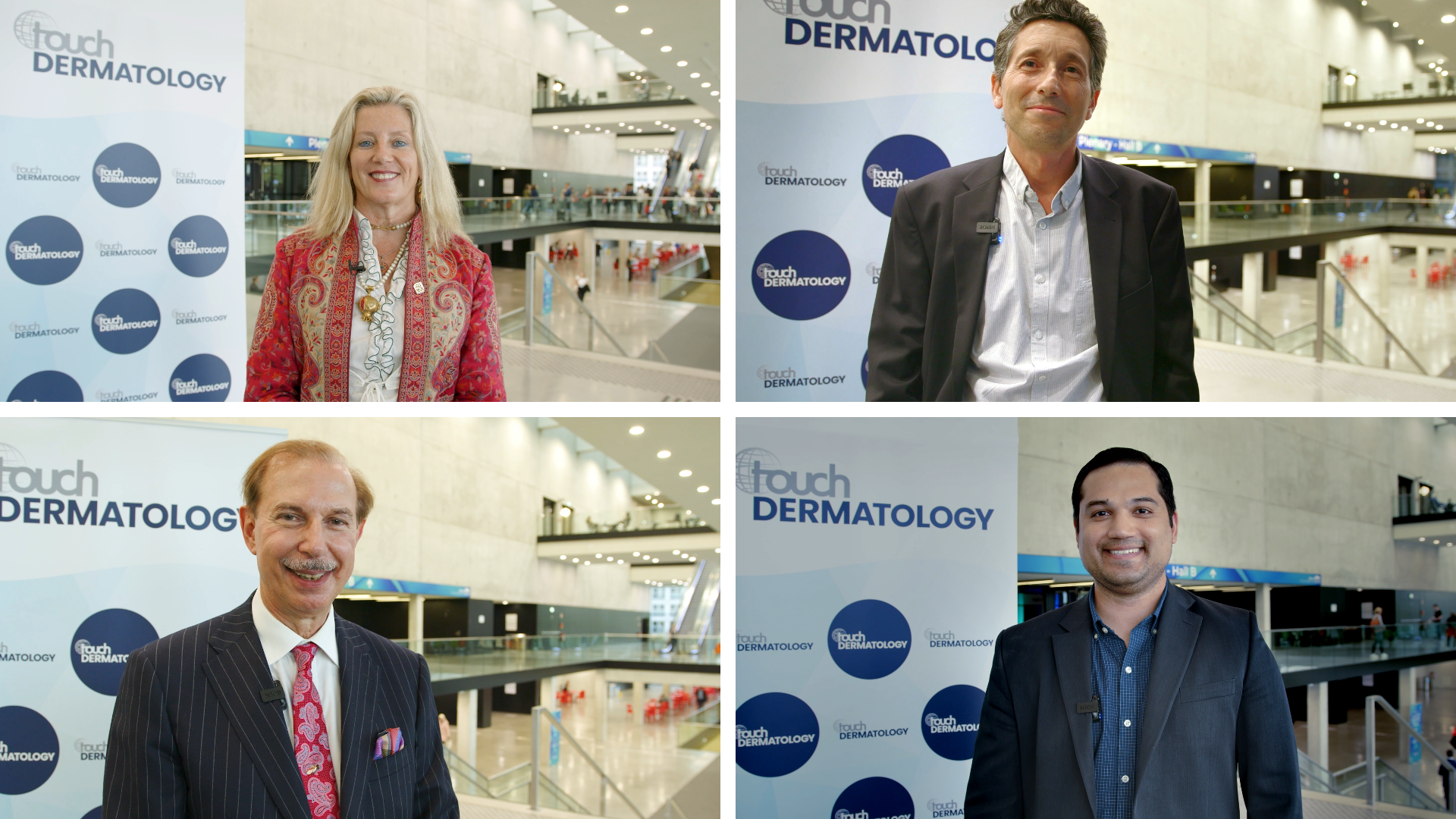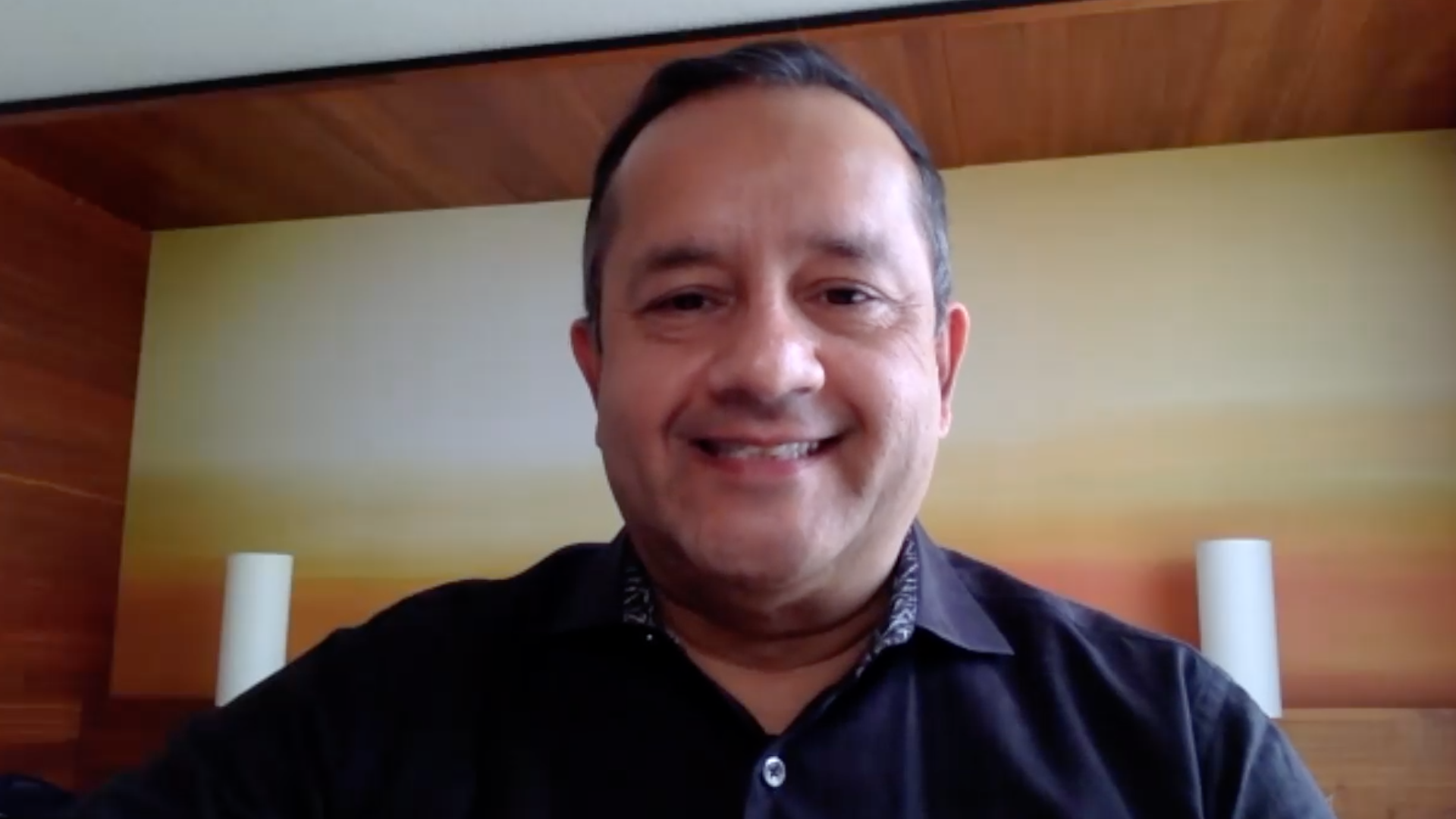
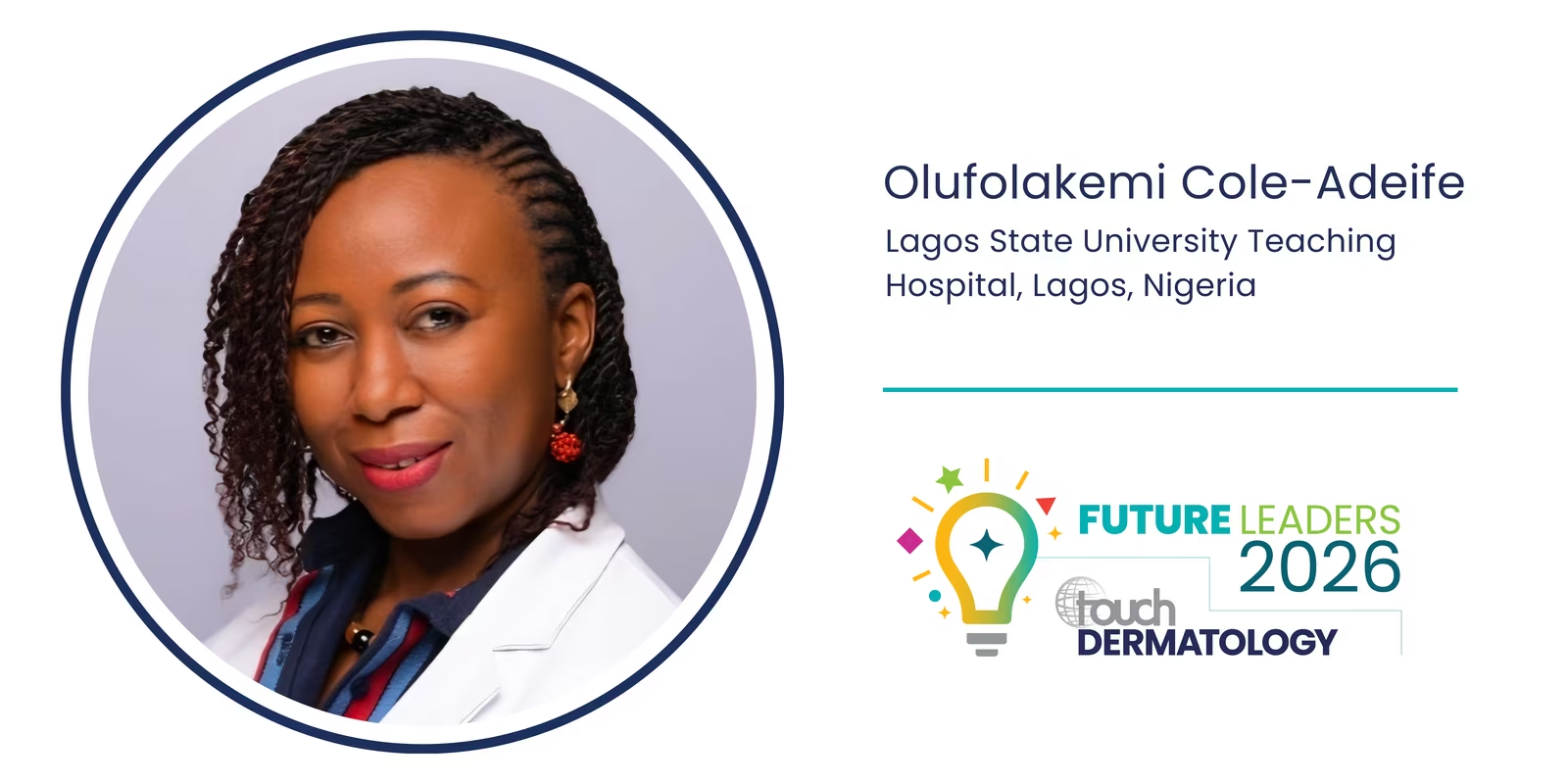
We are delighted to introduce Dr Olufolakemi Cole-Adeife as a touchDERMATOLOGY Future Leader 2026.
Dr Cole-Adeife is a Consultant Physician, Dermatologist and Venereologist at Lagos State University Teaching Hospital (LASUTH) and a Lecturer at Lagos State University College of Medicine in Nigeria. Her clinical research spans dermatology and global health, with particular interests in skin neglected tropical diseases (NTDs), albinism, skin-lightening and skin care practices among African populations, inflammatory skin conditions, keloids, trichoscopy in afro-textured hair, and the effects of climate change on skin health.
Alongside her clinical and academic work, Dr Cole-Adeife is a passionate advocate for equitable access to skin healthcare. Through community outreach, public education, and media engagement, she works to raise awareness of skin disease and promote healthier skin practices across Nigeria and beyond. Her contributions have been recognized with the 2024 La Roche-Posay International Research Grant for the African Region and the 2025 International League of Dermatological Societies Young Dermatologist International Achievement Award for the African Region.
In this Q&A, Dr Cole-Adeife discusses the personal experiences that drew her to dermatology, the mentors and communities that shaped her commitment to global skin health, and the innovations that could make dermatological care more accessible and equitable.
Q: What drew you to dermatology, and how did your interest in your current area of focus develop?
My interest in dermatology was both personal and inspired by the person closest to me – my late mother, Dr Frances Funmilayo Ajose. She was a renowned dermatologist and clinical researcher, so I grew up seeing first-hand the impact that dermatologists could have on patients’ lives. I also had atopic dermatitis and papular urticaria as a child and experienced moderate-to-severe acne as a teenager. Experiencing the discomfort and social stigma associated with these conditions made me want to help others address their own skin concerns.
Over time, my interests expanded beyond clinical dermatology to global health dermatology. Working as a physician and dermatologist in Nigeria made me increasingly aware of the enormous burden of skin disease and the major gaps in access to specialist care, research, education, and resources. These experiences have shaped much of my current work, particularly around skin health in Africa, skin care practices among African populations, skin NTDs, albinism, public health interventions, and efforts to improve equity in dermatological care.
Q: Is there a specific patient, mentor, or experience that shaped your path in this field?
My mother was undoubtedly my earliest and most important influence. She was an accomplished dermatologist, researcher, and teacher, and watching her career showed me that dermatology could extend far beyond the consulting room into research, education, and improving health at a population level.
I have subsequently been fortunate to have several remarkable mentors in dermatology and global health, including Prof. Adebola Ogunbiyi, Prof. Olusola Ayanlowo, Prof. Ncoza Dlova, Prof. Fatimata Ly, Dr Claire Fuller, Dr Esther Freeman, and Dr Kari Wanat. Their work has reinforced for me the importance of equity, inclusion, mentorship, and ensuring that populations that have historically been underrepresented in dermatological research and care are not left behind.
My own experiences working with patients and communities in Nigeria have also been transformative. Seeing people live with preventable complications of skin disease, for example people with albinism dying from skin cancer, because of delayed diagnosis, limited access to dermatologists, misinformation, or lack of resources made me realize that treating one patient at a time, while important, would not be enough. It strengthened my interest in advocacy, research, capacity building, and taking skin health beyond the clinic into communities and health systems.
Q: What current innovations in dermatology excite you the most?
I am particularly excited by innovations that have the potential to make dermatology more accessible and equitable. Teledermatology, artificial intelligence, and other digital health technologies could help bridge some of the enormous gaps in access to dermatologists, particularly in Africa and other underserved regions. I am interested in how these tools can support frontline health workers, improve triage and referral, and bring specialist expertise closer to communities that currently have very limited access to dermatological services.
I am also excited by advances in precision medicine, microbiome science, and targeted therapies. The development of biologics and other targeted therapies has already transformed the management of inflammatory skin conditions such as atopic dermatitis, vitiligo, seborrhoeic dermatitis, psoriasis, and hidradenitis suppurativa. However, we need to ensure that these therapeutic advances can become accessible to all the populations that need them.
Thus, innovation for me is not only about sophisticated technology or new medicines. Some of the most important innovations in global dermatology may be relatively simple, such as better diagnostic tools for resource-limited settings, effective models for training primary healthcare workers, culturally appropriate patient education, and digital platforms that make reliable skin health information accessible to millions of people. Ultimately, the innovations that excite me most are those that translate scientific progress into better skin health for people who have historically had the least access to it.

“Ultimately, the innovations that excite me most are those that translate scientific progress into better skin health for people who have historically had the least access to it.”
Olufolakemi Cole-Adeife
Disclosures: This short article was prepared by touchDERMATOLOGY in collaboration with Dr Cole-Adeife. No fees or funding were associated with its publication.
Citation: Dr Olufolakemi Cole-Adeife on closing the gaps in global dermatology care: touchDERMATOLOGY Future Leaders 2026. touchDERMATOLOGY. XX September 2026.
Register now to receive the touchDERMATOLOGY newsletter!
Don’t miss out on hearing about our latest peer reviewed articles, expert opinions, conference news, podcasts and more.