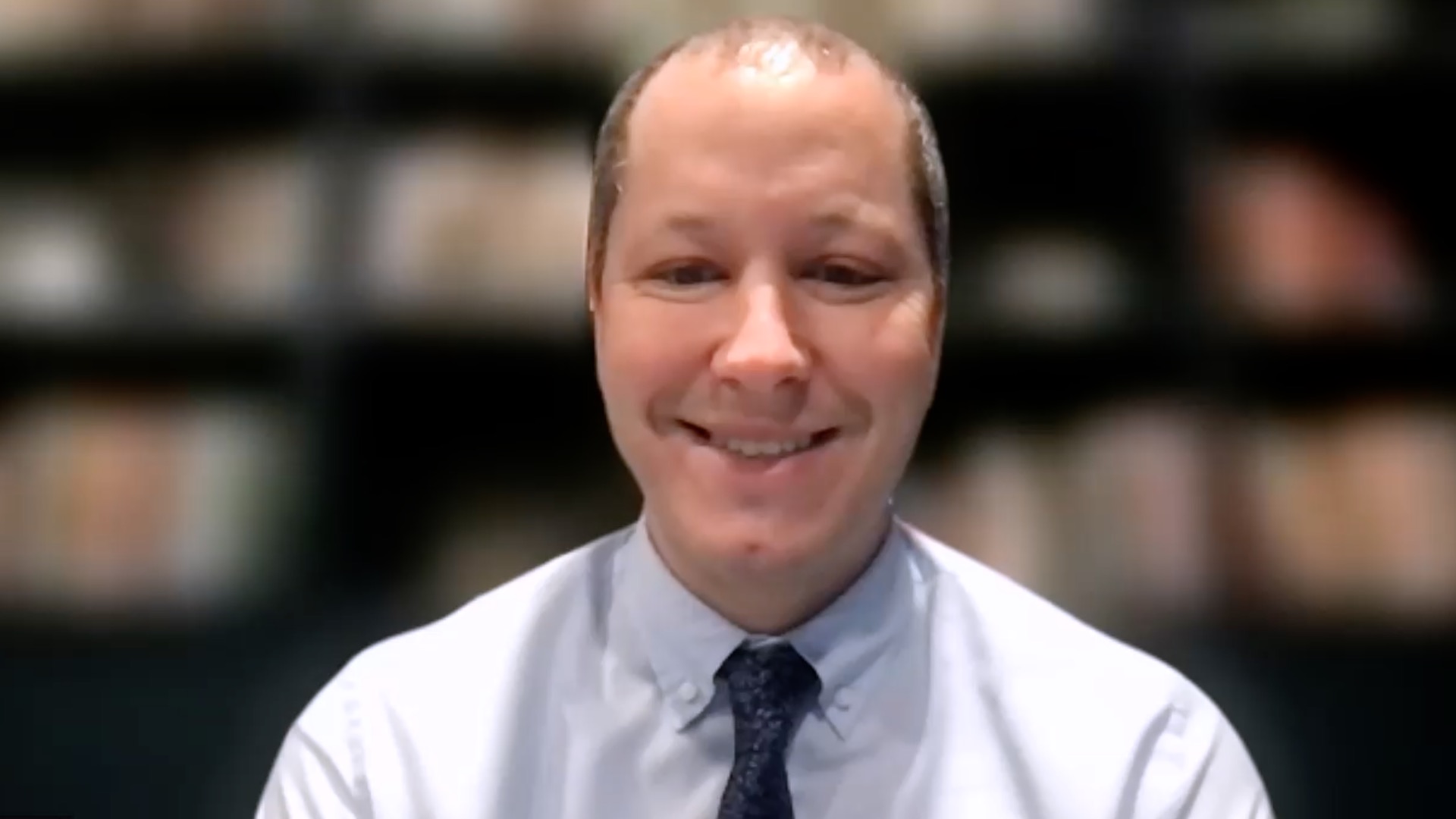
Exploring the role of cosmetic dermatology in routine practice, the need for specialist training and patient education, and the growing shift toward skin longevity and natural-looking outcomes.

Dr Hassan Galadari is Associate Professor of Dermatology at the College of Medicine and Health Sciences, United Arab Emirates University.
Internationally recognized for his work in cosmetic dermatology, Dr Galadari has particular expertise in injectable treatments, soft tissue augmentation, laser procedures, and approaches aimed at improving skin health.
At the recent British Association of Dermatologists (BAD) Annual Meeting 2026, Dr Galadari contributed to the plenary session on Cosmetic Dermatology for the General Dermatologist and delivered an invited presentation titled Pearls from My Injectable Practice during the British Cosmetic Dermatology Group session.
Following his presentations, we were delighted to ask Dr Galadari three quick questions about why cosmetic dermatology should form part of general dermatological practice, the role of dermatologists on social media and how the field is evolving, so that dermatologists can prepare collectively for the future of aesthetic care.
New insights are added regularly, covering a broad range of subspecialties. Sign up below for Free Access to the latest clinical updates in your specialty!
1. Why is cosmetic dermatology increasingly relevant to general dermatologists, and how should the specialty respond?
Dermatology is a specialty that covers everything relating to the skin, from the uppermost layers all the way down to the deeper structures. Cosmetic concerns therefore fall naturally within the scope of dermatology. However, it is unfortunate that we are seeing people from different professional backgrounds taking on areas that general dermatologists could and should be addressing.
Perhaps, as dermatologists, we sometimes tell ourselves that we are too busy treating disease. Of course, that is understandable. We do have to treat inflammatory conditions such as psoriasis and atopic dermatitis, as well as skin cancers and many other conditions. However, we should not be so focused on treating disease that we are unable to help patients develop an appropriate skin care routine, improve their skin texture, or address concerns such as looking tired or having some skin laxity.
We should be able to support patients with these concerns rather than sending them to other healthcare professionals who may not have the necessary skills or understanding of the skin and its underlying anatomy.
In the UK, patients will often only visit a dermatologist when they have a specific skin problem. They are less likely to see a dermatologist simply for advice on how to care for their skin or understand their skin type. Instead, they may seek advice from an aesthetician or aesthetic practitioner about which products to use or what level of SPF to apply.
However, dermatologists are well placed to provide this guidance. We should be able to explain whether a patient has oily or dry skin, recommend the types of products that may work best for them, and offer appropriate advice as part of routine dermatological care.
This was also one of the main messages I wanted to convey in my presentations on cosmetic dermatology for the general dermatologist and pearls from my injectable practice. I wanted to encourage dermatologists to take greater ownership of our specialty and recognize that cosmetic dermatology is an important part of it.
For that to happen, cosmetic dermatology should, in my opinion, form part of residency and specialist training. In the same way that we learn about skin cancer, vitiligo, and melasma, we should also learn about cosmetic procedures and how the treatments we perform can affect skin health and longevity. This knowledge should be considered an important part of dermatological training and help dermatologists feel better equipped to advise and treat their patients.
2. How can dermatologists manage patient expectations, particularly in an era of social media?
Dermatologists should definitely engage with social media. That is for sure. In some parts of the world, we as clinicians can be a little conservative. We might think, “I do not want to go on social media or talk about this publicly.” However, who is best placed to advise people on how to care for their skin? It is the dermatologist.
As a dermatologist, having a social media platform allows you to take the knowledge and education you have gained over the years and present it in a way that is accessible to a lay audience. You can then communicate that knowledge clearly and become a trusted authority, because people are more likely to listen to someone who has studied the subject in depth.
3. How do you see cosmetic dermatology evolving, and what should general dermatologists be preparing for?
The nice thing about cosmetic dermatology right now is that it is becoming more natural.
There was a time, particularly in the 2010s and early 2020s, when results people were seeking could look a little more exaggerated. Now, we are seeing a shift towards questions such as, “How do I take care of my skin?” and “How can I continue to look like myself?”
There is also growing interest in the concept of skin longevity. I think the field has come full circle, and this is an area where all dermatologists are particularly well placed to advise patients because we understand what helps keep the skin healthy for as long as possible.
For example, at this meeting, we have heard some excellent talks on mitochondria, including whether certain antioxidants can support mitochondrial function in the skin and whether particular procedures may have a similar effect. That is how I see the field evolving.
This content has been developed independently by Touch Medical Media for touchDERMATOLOGY in collaboration with Dr Galadari. It is not affiliated with the British Association of Dermatologists (BAD). Views expressed are the speaker’s own and do not necessarily reflect the views of Touch Medical Media.
Disclosures: Dr Galadari has nothing to disclose in relation to this interview.
Cite: 3 questions with Dr Hassan Galadari: Cosmetic dermatology for the general dermatologist. touchDERMATOLOGY. July 23, 2026.
Editor: Gina Furnival
SIGN UP to TouchDERMATOLOGY!
Join our global community today for access to thousands of peer-reviewed articles, expert insights, and learn-on-the-go education across 150+ specialties, plus concise email updates and newsletters so you never miss out.