More than 35% of patients receiving zasocitinib achieved complete skin clearance, more than 2.5 times the response rate observed with deucravacitinib.
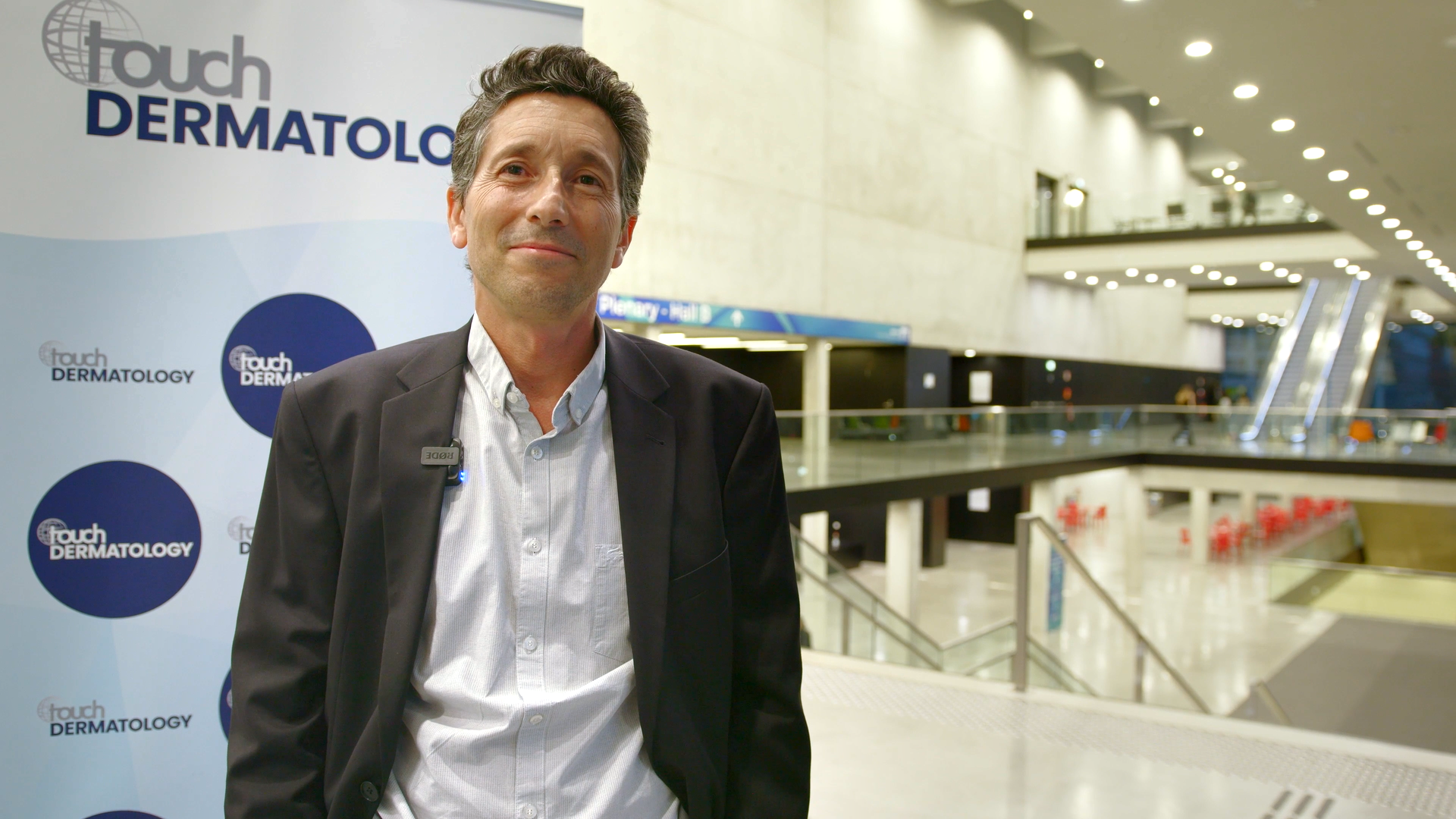
In this video, we speak with Dr Linda Stein Gold (Henry Ford Health, Detroit, MI, USA), Director of Dermatology Clinical Research at Henry Ford Health and principal investigator for the LATITUDE Atlas trial (NCT06973291), to discuss new head-to-head data comparing investigational zasocitinib with deucravacitinib, two oral tyrosine kinase 2 (TYK2) inhibitors for plaque psoriasis.
In the randomized, double-blind, phase 3 LATITUDE Atlas trial , 606 participants with moderate-to-service plaque psoriasis were randomly assigned to receive zasocitinib 30 mg once daily or deucravacitinib 6 mg once daily for 16 weeks. The primary endpoint was the percentage of participants who achieved a 100% improvement in PASI score (PASI100) at week 16.
Topline study showed that the safety and tolerability profile was consistent with previous phase 3 studies, with no new safety signals identified. In this interview, we explore the findings from LATITUDE Atlas, focusing on the efficacy of these two oral TYK2 inhibitors and what the results could mean for the future treatment landscape for plaque psoriasis.
Transcript:
Could you briefly outline the current treatment landscape for moderate-to-severe psoriasis?
Currently, we have some really wonderful options to treat moderate-to-severe plaque psoriasis. If you’re looking for a topical agent, we have some new nonsteroidal topicals that work well, but really for more limited disease. If you have extensive psoriasis, we have some great biologic drugs that can get the disease under good control. But the problem is they’re injections. They require refrigeration. It can be kind of complicated. And for a lot of our patients, they actually would prefer an oral option. And in the oral space, traditionally, we haven’t had that triad of great efficacy, great safety and great tolerability. And this area is improving. But we can still use more options. So I think getting better options in the oral space is really where we need to go.
What were the aims and design of the LATITUDE Atlas study?
The LATITUDE Atlas study was an interesting study. It looked at two drugs that have a similar mechanism of action. They’re both oral TYK2 inhibitors. The first one is a drug that’s been FDA-approved for several years now, and that’s deucravacitinib. And the second one is an investigational drug called zasocitinib. And this is interesting because this drug seems to be highly potent. It seems to affect the reduction of IL-23 over the course of about 24 hours. So this was a head-to-head study in moderate-to-severe plaque psoriasis patients with a primary endpoint at week 16.
What were the key findings from the study?
There were a number of efficacy findings that we looked at. And the good news is that when we looked at the efficacy of zasocitinib, it actually was superior to deucravacitinib in all the efficacy, the primary and the secondary efficacy endpoints that were evaluated. In particular, when we look at that really high bar of getting to completely clear skin, at just week 16, we found that around 35% of patients on zasocitinib achieved completely clear skin. And that’s pretty impressive. And this was two and a half times greater than the number of patients who achieved clear skin on deucravacitinib.
What is the potential clinical significance of these findings?
We’re looking for drugs that can really help our patients to get to clear skin. And that’s our new bar. All of our patients really deserve to have completely clear skin, and in the past, we haven’t really been able to get there consistently with an oral medication. So today it’s really a new world. We have some options that are in clinical trials. We have an option that was recently FDA-approved. And with these results, it really allows us to look at an oral agent for the primary treatment of our moderate-to-severe patients.
What are the next steps towards realizing the potential of zasocitinib?
I think there are a number of next steps. First of all, as we know, this drug is still in the clinical development stages, so it’s not yet FDA-approved. So it would be nice if it does get FDA-approved to continue to study this in other areas of inflammatory diseases. It would be nice to study it in psoriatic arthritis. And I think looking at it, you know, we have a paediatric population that suffers with psoriasis as well. So it’d be nice to get more options for our paediatric patients.
Takeda. Takeda’s zasocitinib significantly outperforms deucravacitinib in head-to-head phase 3 psoriasis study, promising to redefine oral treatment expectations [Press release]. June 11, 2026. Available at: www.takeda.com/newsroom/newsreleases/2026/zasocitinib-outperforms-deucravacitinib-study/ (accessed June 24, 2026).
Disclosures: Linda Stein Gold has acted as an advisor, speaker and/or investigator for Abbvie, Amgen, Arcutis, BMS, Lilly, Johnson &Johnson, Pfizer, Regeneron, Sanofi, Takeda, and UCB.
This content has been developed independently by Touch Medical Media for touchDERMATOLOGY. It is not affiliated with the American Academy of Dermatology. Views expressed are the speaker’s own and do not necessarily reflect the views of Touch Medical Media.
Editor: Gina Furnival